






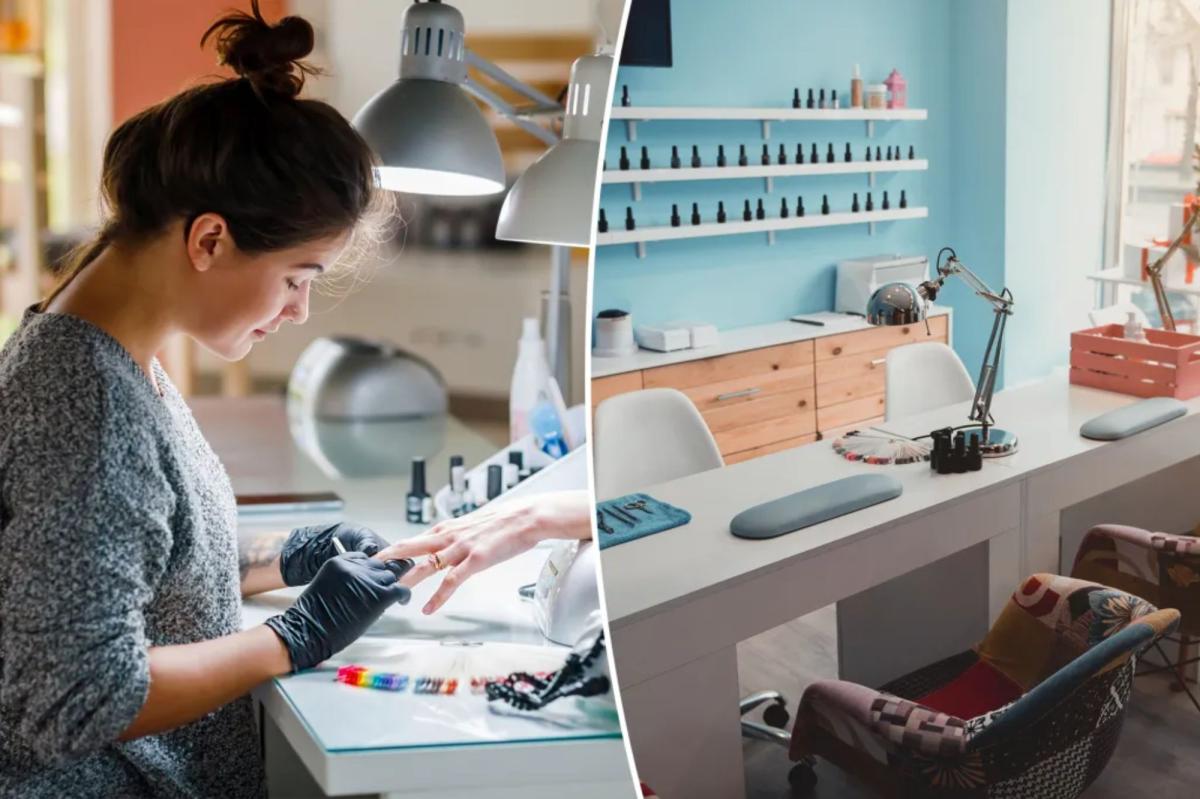
Talk about a nail-biting decision.
Choosing a reputable nail salon can be difficult — do you prioritize the slickness of the nail art? Cost? Staff expertise? Experts say that hygiene and safety should be at the top of the list.
There aren’t many comprehensive, nationwide studies on the cleanliness of nail salons, but one survey taken in New Jersey revealed that 52% of salon-goers reported experiencing dermal or fungal symptoms.
These symptoms can largely be avoided if clients and salon employees take the proper precautions.
Dr. Amanda Zubek — director of Yale Medicine Dermatology’s Middlebury office, who specializes in nail disorders — reveals four red flags that may indicate trouble at a nail salon and some pointers for treating an infection if you develop one.
File these tips away so you’re prepared the next time you need to get your nails done.
1. The salon has a strong chemical smell
“The salon should look and smell clean,” Zubek told The Post. “If there is a strong chemical smell, it may indicate a problem with ventilation.”
There could be a few reasons for a chemical smell.
Acetone is often used to dissolve and remove polish, gel and acrylics, while toluene is added to some polishes for a smooth, even finish.
Both are volatile organic compounds that can accumulate in poorly ventilated air and cause respiratory irritation, dizziness and headaches.
Poor ventilation also creates humid environments that allow microorganisms, such as molds and various bacteria, to grow and circulate.
2. They’re not sterilizing the right tools — or tossing the disposable ones
Zubek said that nail files, buffers and foot bath liners should only be used once before they are trashed.
“The technician should open a new, sterilized pouch of tools for each client,” she added.
Other manicure and pedicure tools can be reused, but they need to be sterilized in a special sterilization oven.
You can bring your own tools as well — just make sure you sterilize them regularly.
Zubek also recommends avoiding jacuzzi-style foot baths because bacteria and mold can live in the tubing area.
3. The technicians aren’t wearing the right gear
Nail salons and technicians must hold valid licenses to operate legally in all US states — Connecticut was the last state to implement licensing requirements, in 2021.
These licenses, which universally require training and examination in hygiene, sanitation and infection control, should be displayed at the salon.
After peeping the license, take a look at the technician’s hands.
“The technician should wear clean gloves and wash their hands between clients,” Zubek said.
4. They’re committing these manicure sins
Zubek warns against nail techs who aggressively scrub or file calluses, which can damage healthy tissue, resulting in pain, bleeding and potential infections.
She also advises against letting nail techs cut or push cuticles back with a sharp tool.
“Cuticles seal the space around the nail and protect it from bacteria, fungus, dirt and other irritants,” Zubek explained. “You should tell the technician to avoid cutting your cuticles.”
Signs of a fungal or bacterial infection
- The nail turns brown, yellow or green.
- White spots form on the edges of the nail, which can signal a fungal infection.
- Lifting of the nail off the nail bed can also indicate a fungal infection.
- The nail becomes crumbly in advanced cases.
- If the skin around the nail becomes red and swollen or pus collects in the skin, that might be a bacterial infection.
Ways to treat a nail infection
“If you suspect a fungal nail infection, you can try an over-the-counter anti-fungal nail treatment that contains undecylenic acid and tea tree oil,” Zubek said.
“Sometimes applying a menthol rub like Vicks VapoRub can be helpful.”
She reported that many OTC nail fungal treatments are ineffective, so a doctor may need to prescribe a topical or oral anti-fungal medication.
“If you suspect a bacterial infection, you should seek medical attention promptly, as antibiotics are often needed for acute bacterial nail infections, also known as paronychia,” she added.
“Warm water soaks can help temporarily.”
DIY strategies to lower the risk of infection
“You should avoid shaving your legs the week before a pedicure, as it can introduce small nicks where bacteria can enter the skin and cause infection,” Zubek said.
And if you have a fungal nail infection, you should steer clear of the nail salon so you don’t spread it to others.
Read the full article here