



Climate change also “supercharged” the 160km/h winds and record dryness that unleashed deadly fires in Los Angeles almost exactly a year ago, the Climate Council reported this week. Those fires, bizarrely, struck in winter. And this weekend’s fire conditions are also abnormal, said Monash University climate expert Adjunct Professor Andrew Watkins.
“What’s unusual is having such extreme heat and fire conditions during a La Niña summer, and following a strong negative Indian Ocean Dipole,” he said of the two rain-summoning systems. “Normally, we would be more worried about floods with those climate drivers.”
A satellite image of the LA fires.Credit: Maxar Technologies
Further, cycles of rain followed by sapping heatwaves – which rapidly dehydrate fine twigs and leaves into tonnes of forest kindling – amp up fire risk in a new regime dubbed “hydroclimate whiplash”.
How can we underscore just how dangerous and strange this weather is; how do we emphasise that summer heat is no longer innocent, but transformed by carbon emissions into an increasingly deadly threat?
We might look for inspiration to the fierce weather system bearing down on Queensland, a swirling storm likely to intensify into a cyclone. (Yes, there are flash floods expected in the north as the south of the country burns).
Cyclones are given names mostly to help raise public awareness of their impending dangers. Why don’t we do the same with severe heatwaves – by far the deadliest kind of extreme weather event?
“Names can make hazards more memorable,” wrote Professor Steve Turton and Samuel Cornell, the researchers who proposed the idea this week in The Conversation. “Research shows naming weather events helps people recall warnings, share information and prepare more effectively.”
A study into the world’s first named heatwave – Spain’s heatwave Zoe in 2022 – found people who remembered the weather event’s name were more likely to stay indoors, check on others and follow their local government’s advice.
Loading
Borrowing from the official list of approved cyclone names, we could have a heatwave named Hayley, Peta or Iggy.
It’s hard to think the 2019-20 bushfire season would have had the same lasting impact on Australian consciousness, and acted as a lightning rod for climate awareness, if it hadn’t been branded Black Summer.
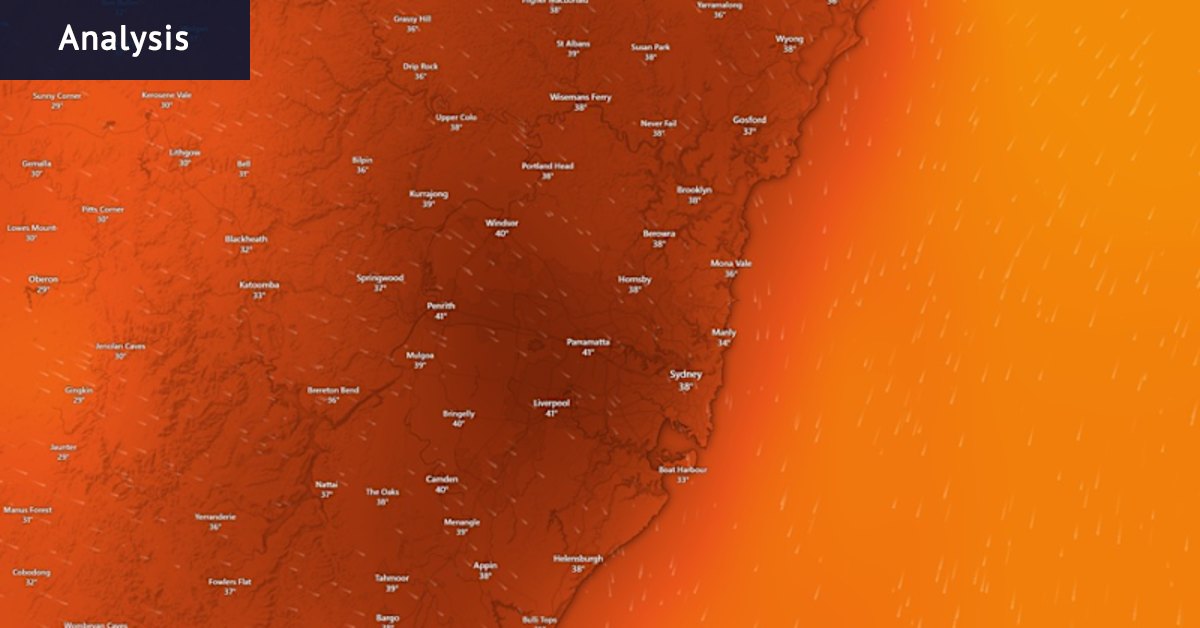
Severe heatwaves like the one swamping us this weekend are becoming more common. But that doesn’t make them normal.
Marking the moment with names, as we do for other crises, could help remind us of that.
Read the full article here