




Euronews has already put several European cities on your radar for 2026, like Oulu in Finland and Trenčín in Slovakia, the new European Capitals of Culture, and Barcelona, the UNESCO-UIA World Capital of Architecture.
Now we have yet another destination to add to your must-visit list for the next 12 months: Guimarães in northern Portugal.
Named the European Green Capital for 2026, the city is planning a year-long programme of events you won’t want to miss.
How Guimarães is celebrating its new status
Following on from the opening ceremony last month, Guimarães will host its spring festival in late March.
As part of the event, there will be a 10km race through the city that takes in green spaces including the Educational Garden, the Creixomil Meadow, and the Royal Road, as well as a Vertical Challenge event along the Penha Biodiversity Route.
Come April, contemporary dance festival Spring Forward will be held in Guimarães, with three days of performances and talks.
Later on in the year, the city will take part in Green Week in June as well as Mobility Week in September.
What else to do in Guimarães
Part of the reason Guimarães was selected to be the European Green Capital for 2026 was its abundance of green spaces.
Between 2012 and 2023, the city worked to add 95.7 hectares of natural spaces, including along the main rivers and in its forests.
You can discover these through the newly launched Green Map, which takes visitors from Penha Mountain along the Biodiversity Route into the city, where you can visit spots like the Latito Hill Gardens and the Ave and Selho Greenways.
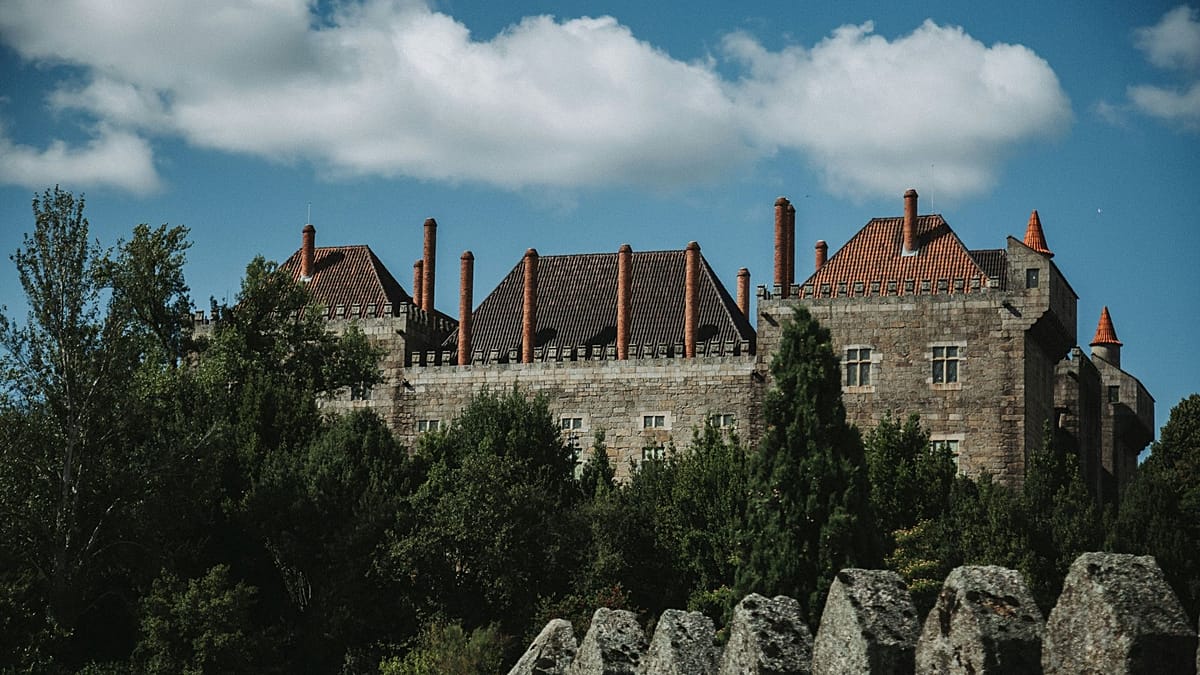
Guimarães is perhaps best known as the birthplace of Portugal, as the country’s first king was born here, and its historic city centre is UNESCO World Heritage listed.
What is the European Green Capital programme?
The European Commission first announced the European Green Capital Award back in 2008, with Stockholm becoming the first title holder in 2010.
Cities with a population of more than 100,000 can apply for the award. Winners are selected based on their environmental standards as well as upcoming projects that show they are committed to continuous improvement and sustainable development.
Those with a population of between 20,000 and 100,000 residents can instead apply for the European Green Leaf award; This year’s winner was Vaasa, a city in Finland.
Read the full article here