




It’s rare nowadays to reach a destination having done zero research. Even if you’re not actively searching for things to do and places to go, there’s a good chance the algorithm will feed you snippets on TikTok or Instagram Reels anyway.
While it’s comforting to know all the practical information – like directions, or public transport options – is in your pocket at all times, it certainly takes away some of the magic of travel that comes from spontaneity.
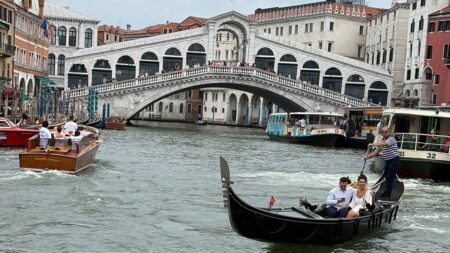
In fact, some 68% of travellers have found that a destination they had never been to before already felt familiar because they had consumed so much content about it online.
The Hint App survey, which polled 10,684 adults across Europe, the UK, the US, Canada, Australia and Latin America, revealed that 74% of tourists “research destinations so thoroughly that few genuine surprises remain once they arrive”.
A further 64% said they recognised landmarks and viewpoints thanks to their search across social media platforms.
“People use information to reduce uncertainty before an experience begins,” Kirill Liakh, managing director of the Hint App, which gives astrological advice, said.
“That can make the experience easier, but it can also make the first encounter feel less distinct.”
So, what can you do to bring the element of surprise back to your trip?
Embrace the guide book
You might be tempted to ask Google or a generative AI chatbot for tips on what to see and do, but if you opt for an old-school guidebook, you’re less likely to be “spoiled” because there just isn’t enough room to show pictures of absolutely everything.
There are plenty of options, from Lonely Planet and Bradt Travel Guides to Rough Guides and Fodor’s Travel, and you might find after buying a few different books you prefer one style of information sharing over another.
Just… talk to people
A radical idea in 2026, but there are more ways to connect with people than just apps.
If you’re staying in a hotel, you can ask the concierge for recommendations in the surrounding areas.
Tourist information centres will have staff on hand that you can ask about the top attractions and restaurants, and you also might find they have maps that you might not be able to find online. For example, Sofia’s tourist information centres have general tourism maps, but also offer self-guided tours to the city’s art scene and its post-war era architecture.
Bars (particularly those in hostels) are pretty sociable places, and you can easily get tips from either fellow travellers or locals.
Follow your own two feet
Some of our favourite travel memories have come from going for a walk and stumbling across something, whether that be a busy café or restaurant, or an unusual museum you might not hear about otherwise.
You don’t have to come at it completely blind – guide books and tourist maps will point out historic old towns or neighbourhoods known for their nightlife, restaurants or museums.
Put down the phone and start looking around, you never know what you might stumble across when you least expect it.
Read the full article here