




The US Department of Transportation released its new Freedom Means Affordable Cars rule on Monday, resetting the nation’s corporate average fuel economy standards to pre-Biden-Buttigieg-era levels. Secretary Sean P. Duffy called it the end of an “illegal mandate” that forced automakers to build EVs that Americans don’t want, but the new rule, which makes it easier for automakers to build less efficient vehicles against the backdrop of soaring fuel prices, feels more than a touch tone-deaf.
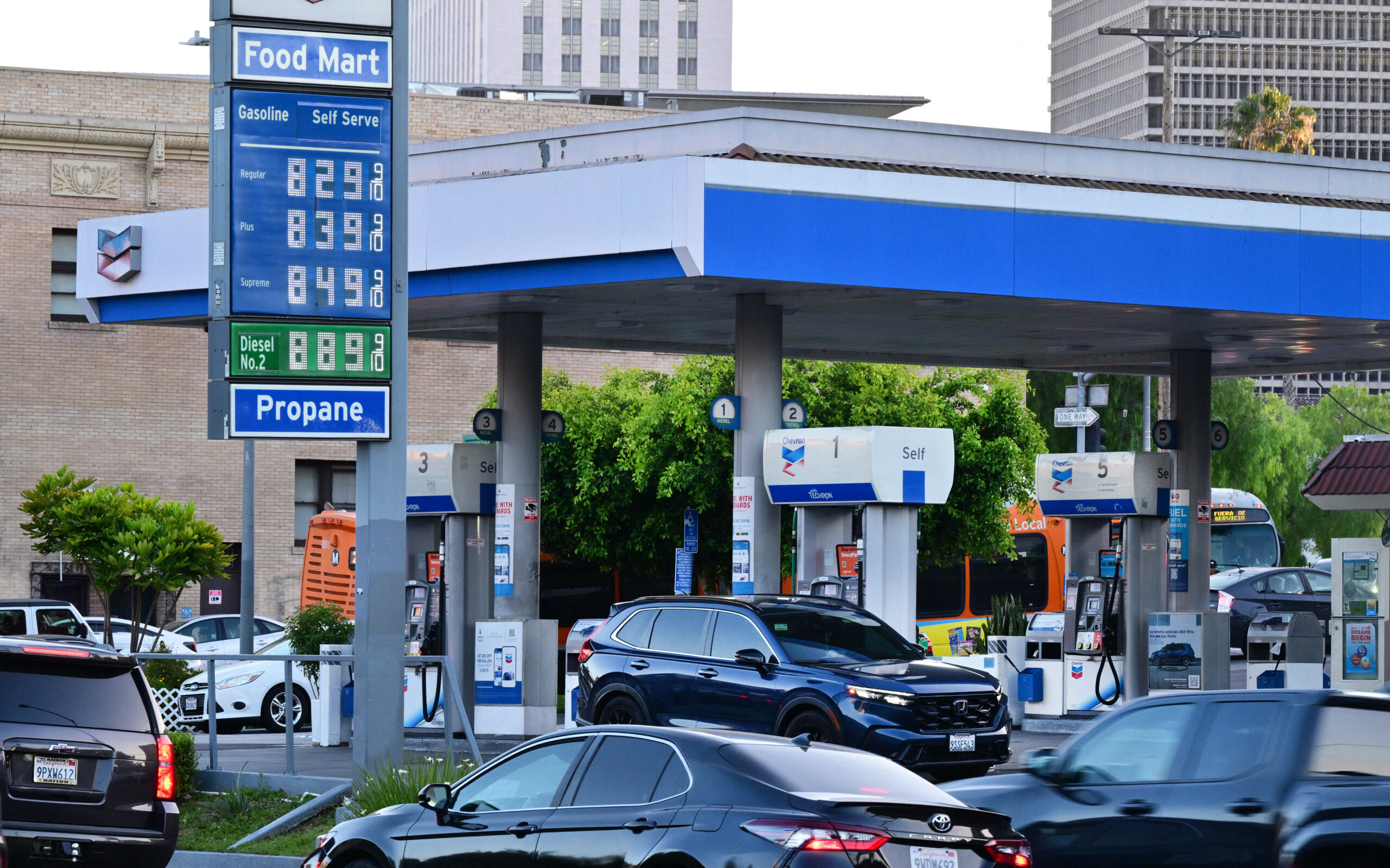
According to AAA, Americans are paying an average of $4.48 per gallon for regular and $6.45 per gallon for diesel at the time of publication, with high prices driven largely by the conflict in Iran and instability stemming from the closure of the Strait of Hormuz. That’s more than a 50% price increase at the pump since the start of the conflict. As part of my recent research on the future of electric cars in the US, I learned that Americans have spent $43 billion more for gas during the war, according to estimates released by the US Senate’s Joint Economic Committee this summer, with no relief in sight.
“With Americans struggling to afford gasoline that is more than $4 a gallon, the Trump administration is going to force them to pay more at the pump,” Kathy Harris, director for clean vehicles at Natural Resources Defense Council, said in a prepared statement reacting to the news. “Oil companies will get a windfall from gutting the fuel economy standards, but the rest of us are going to be handing over more of our hard-earned paychecks to fill up the tank.”
What’s in the rule
The DOT says its new rule, formally known as SAFE Vehicles Rule III, will cut the average new-vehicle price by $1,300, save people $138 billion over five years, and prevent 300,000 serious injuries and 1,900 deaths by encouraging new-car sales.
The rule sets more relaxed standards for model years 2022 through 2031. The National Highway Traffic Safety Administration estimates that the new standards will still result in a fleet average of 34.9 mpg by 2031, which is up from 2024’s 30.1 mpg, but woefully short of the approximately 50.4 mpg minimum fuel economy for passenger vehicles and light trucks set during the Biden administration.
In an email to CNET, representatives of the Natural Resources Defense Council point out that the 34.9 mpg target is already “below what automakers on average have already achieved,” which, to me, paints the new rule less as a slow climb and more as simply maintaining the status quo.
Starting with model year 2030, the new rule will also change how vehicles are classified, a move the DOT hopes will discourage automakers from making design changes and adding equipment to small crossovers to tip them into the light-truck classification, with its lighter efficiency standards. In its release, the department says that it hopes this will “[flip] the current fleet mix of approximately 70% light trucks and 30% passenger vehicles to around 70% passenger cars and 30% light trucks” and encourage the return of hatchbacks, wagons and smaller vehicles.
The rule also ends the CAFE credit trading program starting in 2028, eliminating the ability for automakers that exceed federal fuel efficiency standards to earn compliance credits, which they can bank, transfer between their own car and light-truck fleets, or sell to other manufacturers. Closing this loophole eliminates a major cash-flow source for Tesla, which has generated roughly $2.76 billion annually by selling these excess regulatory credits.
Not a win for American drivers
Here’s the thing: The Freedom Means Affordable Cars initiative doesn’t actually oblige automakers to build cheaper cars. Yes, it loosens the targets that automakers are required to hit, not what they choose to sell. That’s not necessarily a win for US buyers.
One possible outcome of efficiency targets relaxing is that the more efficient models that would have arrived to meet the previous, tougher standards get shelved or never greenlit, while automakers choose to build less efficient vehicles, which are often less expensive to manufacture. If fuel costs continue to rise, which depends heavily on when oil flows resume through the Strait of Hormuz, buyers could be left between the rock of high operating costs and the hard place of fewer efficient options. A lower sticker price would be a small comfort if the vehicle costs more to run over the next decade.
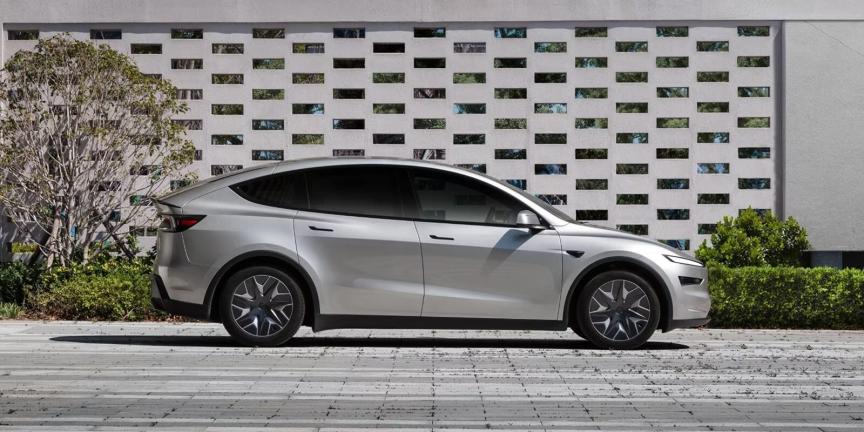
The new rule also closes the CAFE credit trading program, closing a major source of cash for automakers like Tesla.
Tesla
Experts have reached out to CNET to share their disappointment.
“Today, the Trump administration dealt perhaps its greatest blow to affordability and common sense: gutting federal fuel economy standards in the midst of skyrocketing gasoline prices and an impending energy crisis,” Daniel Greene, senior director of Consumer Protection & Product Safety with the National Consumers League, said in an emailed statement. “Nearly two years of sustained assaults on domestic clean energy and unprecedented weakening of energy efficiency standards have helped get us into this mess. Doubling down on failed policies that inflict pain at the pump and exacerbate the affordability crisis will not get us out.”
On paper, I’m on board with the reclassification rules: Making a vehicle less efficient by adding unnecessary off-road and hauling equipment that will likely never be used should not be rewarded with looser efficiency standards. And I like the idea of encouraging the return of sedans and hatchbacks. In reality, though, automakers and Americans are so deeply invested in building and driving SUVs that I don’t know how much reclassification will move the needle. I also don’t hate the closing of the carbon credit trading program; automakers not being able to buy their way out of complying with emissions standards isn’t the worst outcome.
Overall, the experts I’ve spoken with agree that the Freedom Means Affordable Cars rule is a step backward. The administration is pushing a policy that, at best, maintains a disappointing status quo and, at worst, could (and likely will) result in drivers paying more at the pump for fewer choices on the lot.

See full bio
Read the full article here