




Urquhart said Cleveland did not die as a result of human error by those working on his floor on the night of the incident, but “because of serious and longstanding deficiencies in the system”.
He said that the failings that existed in Unit 18 “largely rests with the department”.
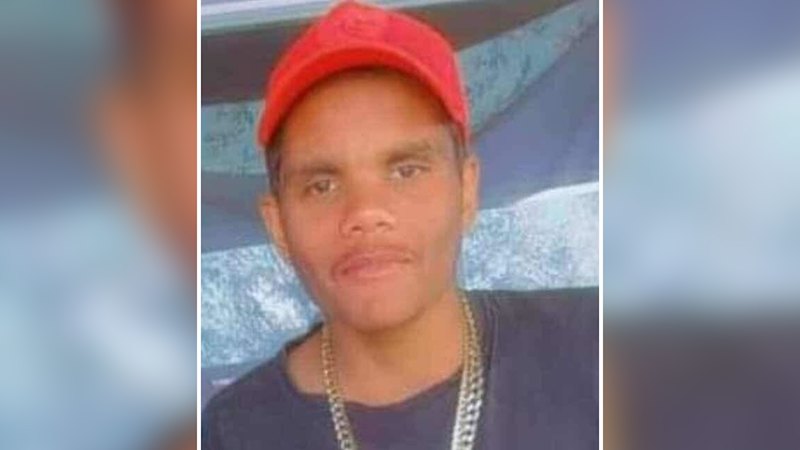
Cleveland Dodd with his mother Nadene.
He made 19 recommendations, some of which he said, if implemented, would “dramatically change the landscape of how youth justice operates in the state” but claimed these did not have the Department’s support.
Those recommendations included that a forum be established to consider whether youth justice should remain the Department of Justice’s responsibility.
“A primary reason why I have made this recommendation is that Western Australia remains the only jurisdiction in Australia that has its Corrective Services agency solely managing youth justice,” he said.
“I remain unconvinced this is the best option.”
Urquhart also recommended that “the manner in which Unit 18 came to be the state’s second youth detention centre should be the subject of an inquiry”, adding that the inquiry would have the power to make findings that the court was “precluded from making”.
Urquhart also made findings against eight employees of the Department.
‘Alarming, unexpected and confronting’
While delivering his findings on Monday, Urquhart said the “harrowing” evidence he heard about Cleveland’s last days was some of the “saddest I have presided over”, adding that “we need to do better as a community”.
Loading
“It is an immense tragedy when a child makes a decision to end their life,” he said.
“That tragedy is magnified if the child dies when they are in the state’s care and when their death had been predicted by people eminently qualified to sound that warning. And when the child’s death occurs by suicide in a unit built to house adult prisoners within the grounds of a maximum-security jail and after that child has repeatedly said to those tasked with his care what he was going to do, it raises the question, ‘how was this allowed to happen?’.
Urquhart said the evidence he heard in relation to the conditions children were being held in at Unit 18 was “alarming, unexpected and confronting”.
He said those who work there spoke of it being chaotic, dangerous and “like a war zone” and their work was traumatic and soul-destroying.
“The cells were described as being ‘unlivable’,” Urquhart said.
“This sort of incarceration is reminiscent of 19th century jails.”
Urquhart said there were “serious deficiencies” in the way young people were treated in detention.
“It must be remembered that the misbehaviour of young people when in detention is often a symptom of the neurological impairments they have suffered for much, if not their entire, lives,” he said.
“Their misbehaviour is also a symptom of the deficiencies that exist within youth justice in this State; for the most part, their misbehaviour is not the cause of those deficiencies.”
Lifeline 13 11 14, Kids Helpline 1800 55 1800.
For 24/7 crisis support run by Aboriginal and Torres Strait Islander people, contact 13YARN (13 92 76).
Get the day’s breaking news, entertainment ideas and a long read to enjoy. Sign up to receive our Evening Edition newsletter.
Read the full article here