





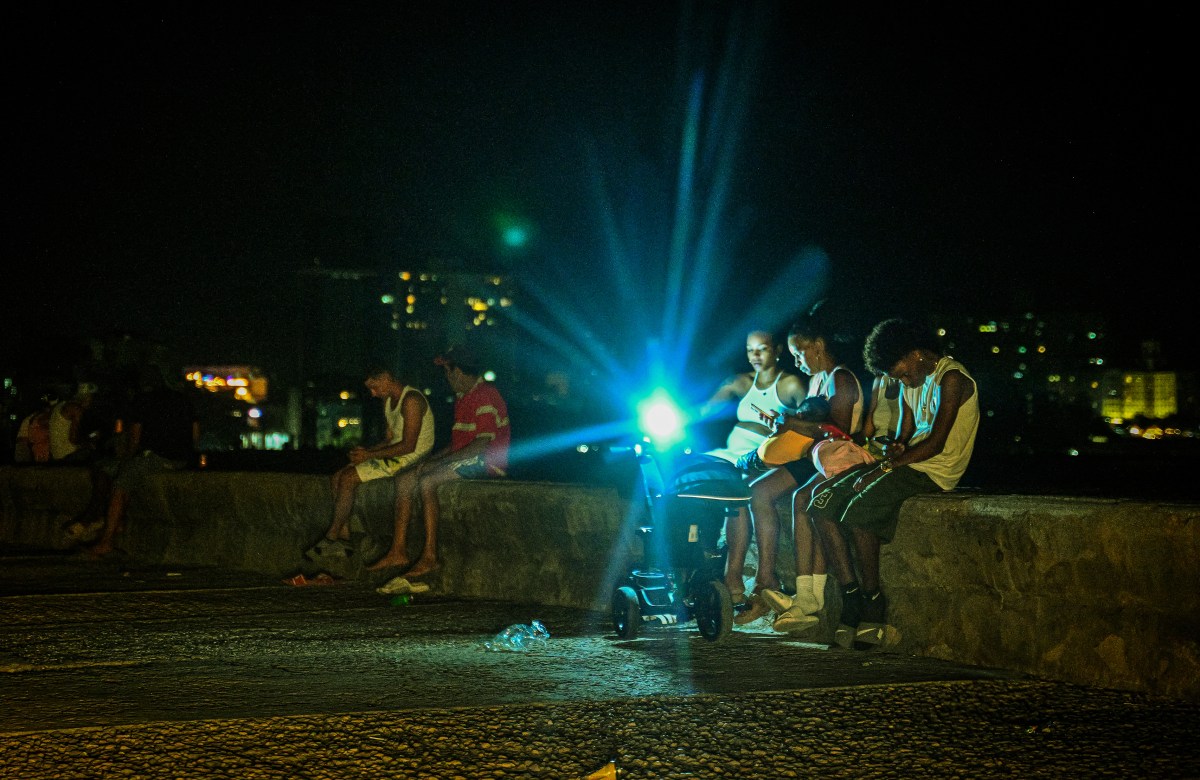
Cuba’s national power grid collapsed Saturday, leaving the entire island without electricity for the third time in March, as the communist government struggles with a crumbling energy infrastructure and an intensifying U.S. oil blockade.
The state-owned Cuban Electric Union reported a total blackout across the island without giving a cause. Authorities said they were working to restore power.
What Is Happening in Cuba? U.S. Blockade Explained
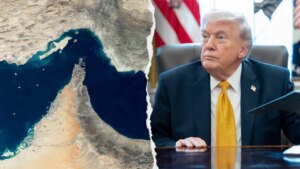
President Donald Trump on January 29 signed an executive order against Cuba, accusing its government of “extraordinary actions that harm and threaten the United States,” including supporting “numerous hostile countries, transnational terrorist groups, and malign actors adverse to the United States.”
“The United States has zero tolerance for the depredations of the communist Cuban regime. The United States will act to protect the foreign policy, national security, and national interests of the United States, including by holding the Cuban regime accountable for its malign actions and relationships, while also remaining committed to supporting the Cuban people’s aspirations for a free and democratic society,” the order reads.
The executive order also launched new tariffs on goods “imported into the United States that are products of any other country that directly or indirectly sells or otherwise provides any oil to Cuba.”
That has left Cuba with fuel shortages and economic pain over recent weeks, drawing some domestic criticism toward the Trump administration’s policy.
The energy crisis stems from a combination of aging infrastructure, fuel shortages, and economic strain exacerbated by U.S. sanctions and the collapse of tourism during the COVID-19 pandemic. The island’s power grid relies heavily on outdated aging thermoelectric plants, which have suffered breakdowns. A blackout earlier this month was blamed on one of those plants east of Havana and the fuel scarcity.
Trump told CNN earlier this month Cuba is “is going to fall pretty soon.”
“They want to make a deal, and so I’m going to put Marco [Rubio] over there and we’ll see how that works out. We’re really focused on this one right now. We’ve got plenty of time, but Cuba’s ready—after 50 years,” Trump told the outlet.
The relationship between the U.S. and Cuba has been strained for decades. Trump has suggested he could turn his attention to Cuba once U.S. military strikes in the Middle East wrap up, floating a “friendly takeover” of the island.
Cuba’s President Miguel Díaz-Canel has said they were seeking “negotiated solutions” to the U.S. energy blockade of the island.
What To Know
The Cuban Electric Union confirmed a total blackout Saturday without specifying a cause.
The first nationwide outage occurred on March 4 and then again on March 16, when the Cuban Ministry of Energy and Mines posted to X that “a total disconnection of the SEN has occurred; the causes are being investigated and protocols for restoration are beginning to be activated.”
Power failures have grown increasingly routine over the past two years, driven by breakdowns in aging thermoelectric infrastructure and chronic fuel shortages that also trigger daily rolling blackouts of up to 12 hours. Cuba produces only about 40 percent of the fuel it needs to power its economy. Venezuelan oil shipments — once a critical lifeline — ended after the U.S. arrested Venezuelan President Nicolás Maduro in January and took control of that country’s oil flows.
The government has had to rely on solar power, natural gas, and thermoelectric plants to meet demand — and has been forced to postpone thousands of surgeries due to fuel constraints. The blackouts carry severe consequences for ordinary Cubans, disrupting work hours, limiting electricity for cooking, and causing widespread food spoilage.
The island has also faced protests over blackouts and other economic pain amid the blockade.
Is Cuba Communist?
Cuba is a communist country.
It is led by Díaz-Canel, who is a member of the Communist Party of Cuba. Under his leadership, the island country adopted a new constitution reaffirming socialism. It said the “socialist system that this Constitution supports is irrevocable.” It also reaffirmed the one‑party system while recognizing some private property rights.
The country has seen some private sector expansion. NBC News reported Cuban nationals living abroad will be able to invest in businesses on the island, citing Cuba’s Deputy Prime Minister Oscar Pérez-Oliva Fraga.
“Cuba is open to having a fluid commercial relationship with U.S. companies” as well as “also with Cubans residing in the United States and their descendants,” he told NBC News.
Reporting from the Associated Press contributed to this article.
Read the full article here