





Published on
•Updated
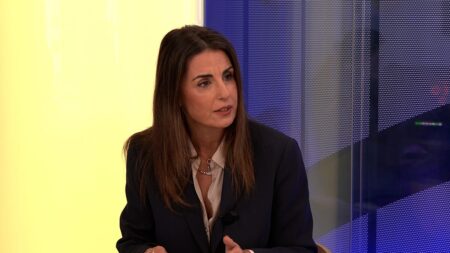
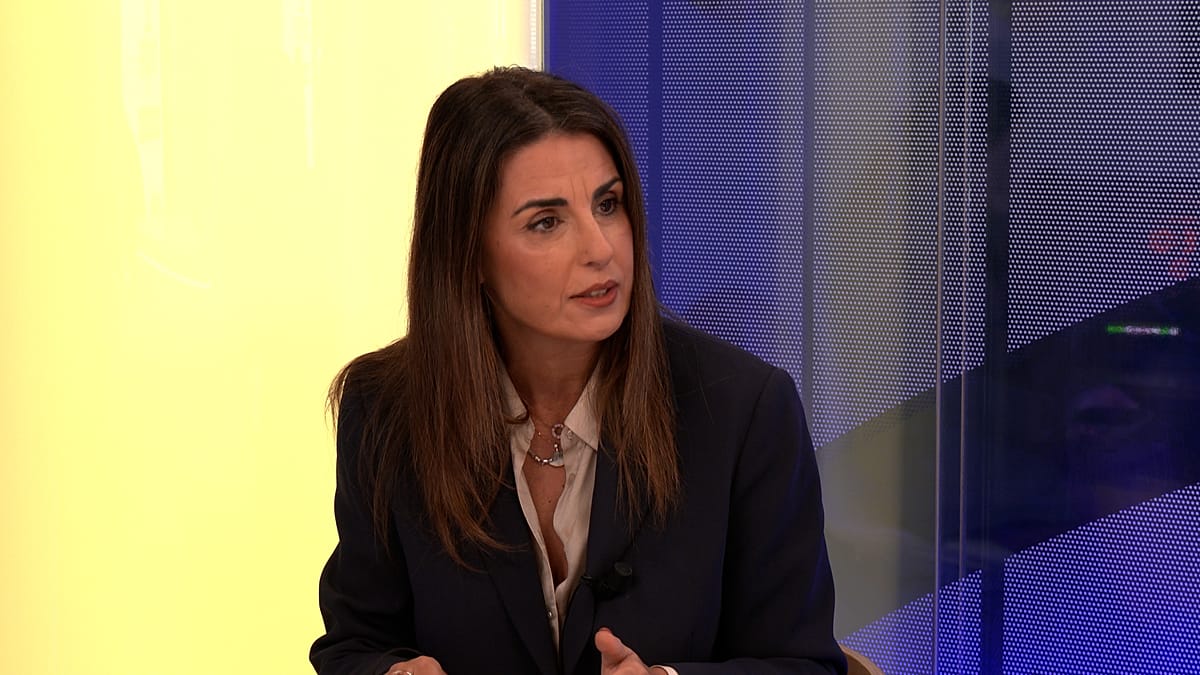
European Ombudswoman Teresa Anjinho has told Euronews she recognises “challenges” when ensuring transparent access to documents across the EU’s institutions, but has defended the goodwill of the European Commission led by President Ursula von der Leyen.
Her comments come amid her institution’s ongoing probe into how the Commission handled a journalist’s request to release a Signal message sent to von der Leyen by French President Emmanuel Macron.
“I do recognise that we have a lot of criticisms surrounding how the Commission handles access to documents requests,” Anjinho said in Euronews’ interview programme 12 Minutes With.
“If (citizens) do not have access to information, I believe that the criticisms that we hear are actually in order,” she added.
“There are a lot of challenges, and we see in my office these challenges through the number of complaints that we’ve received, exactly related to the access to documents.”
Anjinho argued, however, that the Commission is “committed” to complying with transparency rules, describing this as “bright and positive”.
The EU watchdog, led by Anjinho, probes cases of bad administration across the institutions. It opened an investigation into the Signal message sent by Macron to von der Leyen in September, after the Commission refused to disclose the message in response to a request by a journalist for the investigative outlet Follow The Money.
The Commission later confirmed von der Leyen had activated the “disappearing messages” feature of the instant-messaging app. The executive said this meant it couldn’t locate the message, despite initially claiming that both von der Leyen and her head of cabinet had assessed the message and deemed it unnecessary to be preserved.
Under the EU’s rules, the institutions are compelled to provide access to documents concerning the EU’s policies, “whatever their medium.”
“When you have an access to documents request, those documents should not just disappear,” Anjinho explained. “They should be retained for an analysis of whether they should be disclosed or not, if they should be considered documents or not.”
The European Ombudsman’s investigation is ongoing, and any recommendations will be non-binding.
The Commission has, however, defended its President’s use of automatic deletion of text messages, citing the need to minimise the risk of leaks and security breaches, and to free up space on mobile devices.
Don’t repeat same mistakes
“It’s particularly important in this case (…) to guarantee that what happened in the past does not happen in the future,” Anjinho said.
“They (documents) should be retained for an analysis of whether they should be disclosed or not, if they should be considered documents or not.”
Yet, it’s not the first time that von der Leyen has been personally accused of shielding her private communications even when they relate to the EU’s policies.
The case bears strong resemblances to the so-called Pfizergate, in which von der Leyen refused to disclose WhatsApp messages exchanged with the CEO of German pharma giant Pfizer discussing Covid-19 vaccine contracts.
The EU’s top court ruled in favour of The New York Times, which brought the case, saying the Commission had broken its own transparency rules.
The Commission then said in a document to the US media outlet that it didn’t consider the messages worth retaining as they were “short-lived” in nature.
Read the full article here