






Loading
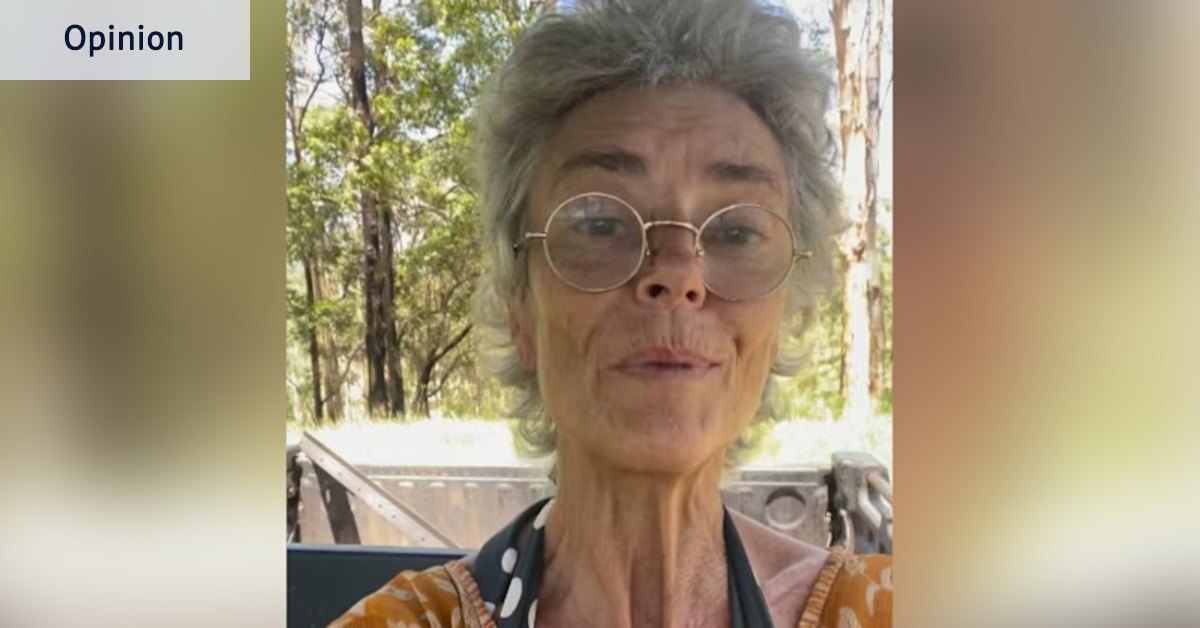
It wasn’t her face that held my attention. It was the unfamiliarity of seeing a woman of her stature allowed to look her age in public. No apology. No explanation. No strategic “before and after” framing to soften the blow. And then came the quieter, more uncomfortable realisation: I’ve been conditioned too.
I spend my life around images – pop culture, beauty, celebrity, social media – a world where youth is not just admired but engineered. Where even “natural” comes with a footnote and where ageing is something you’re meant to manage, negotiate, correct.
Seeing Ward felt almost transgressive not because she looked confronting, but because she looked real. And I wondered when normal had started to feel so unfamiliar.
The problem has accelerated in the last decade. We are now living in a world where faces are routinely smoothed before we even register them as faces. Filters are default. Editing is assumed. “No make-up” still means contour, lighting and blur. Even authenticity is curated.
Responding to one of her (many) positive commenters, Ms Ward said she feels sorry for “those poor souls who fear ageing so much”.
Loading
“They will learn that’s (sic) its ultimate freedom as a woman to let youth and beauty go.” she said.
“It was lovely while it lasted but so much more to life.”
This is particularly punishing for women. Men are still allowed to age into gravitas (but what have you done to yourself Bradley Cooper?) but women are expected to age into invisibility or fight it at great expense. The subtext of the criticism aimed at women like Rachel Ward is revealing. There’s an implication that ageing naturally is a kind of neglect, a sign that one has “let themselves go”.
But ageing isn’t something that happens to you because you weren’t vigilant enough. It’s not a lack of discipline, effort, or care. It’s biology. It’s survival. It’s reality. And reality jars because we rarely see it anymore, not on red carpets, not on Instagram, not even in supposedly “candid” interviews.
We say we want authenticity. We say we celebrate ageing. But only when it’s done convincingly youthful. What unsettles people most about seeing an older woman unfiltered is not how she looks, it’s how recognisable it is. The lines echo our mothers. Our older friends. Ourselves, 10, 20, 30 years from now.
And that recognition punctures the fantasy we’ve been sold: that with the right products, procedures and vigilance, ageing can be indefinitely postponed.
Ward hasn’t “failed” to age well. She simply refused to disguise it. And there’s something quietly radical about choosing not to intervene. Not because intervention is wrong, but because opting out has become so rare.
Melissa Hoyer is a cultural and social commentator.
Read the full article here