


Rain may bring disease-carrying mosquitoes. But the lack of it could have been a factor that led to the first urban yellow fever outbreak in Brazil in decades.
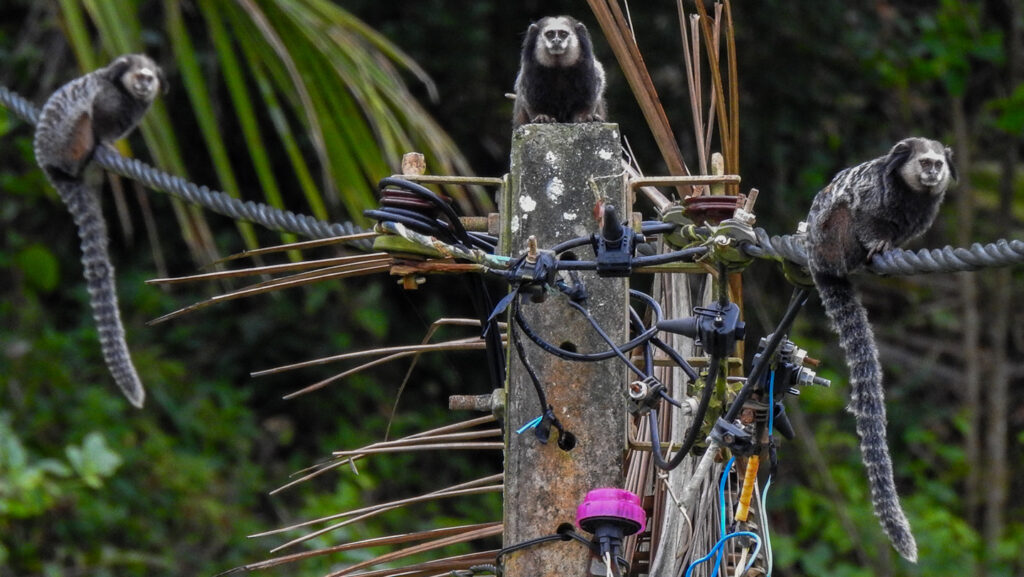
In 2015, an El Niño powered an abnormally strong drought in central South America, and monkeys and mosquitoes on the hunt for water may have brought the virus into Brazilian cities, researchers report August 14 in Science Advances . Computer simulations hint that infected nonhuman primates moving into urban areas from dry forests and bite-happy mosquitoes perhaps trying to avoid dehydration may have helped drive yellow fever’s spread. During the outbreak, which began in late 2016, more…
Read the full article at SCIENCENEWS.ORG