




After the Minnesota shootings, Democrats found themselves in an unusually strong position.
The deaths of U.S. citizens at the hands of ICE and Border Patrol agents cut through the usual partisan noise around immigration and handed Democrats their biggest opportunity since the reelection of President Donald Trump.
For a moment, even some Republicans were on the defensive. ICE, typically shielded by broader “law and order” arguments, was forced to answer for specific actions that the public found difficult to justify.
Democrats, meanwhile, were unified. They had a clear message: something had gone wrong, and it needed to be fixed.
But it didn’t last.
From Political Argument to Standoff
Instead of keeping the focus on ICE itself, Democrats escalated.
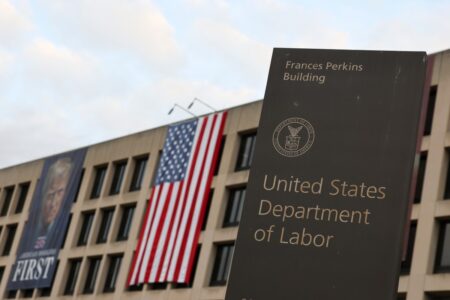
They tied demands for ICE reform to funding for the Department of Homeland Security (DHS), which includes not just ICE but also the Transportation Security Administration (TSA). That decision transformed a political argument into a legislative standoff.
In theory, Democrats tried to separate the two. They pushed to fund TSA independently, insulating airport security from the broader fight over immigration enforcement. In practice, Republicans refused.
That left Democrats with a choice: back down, or continue the fight and risk disruption. They chose to fight.
When Politics Becomes Personal
The consequences were immediate, and visible.
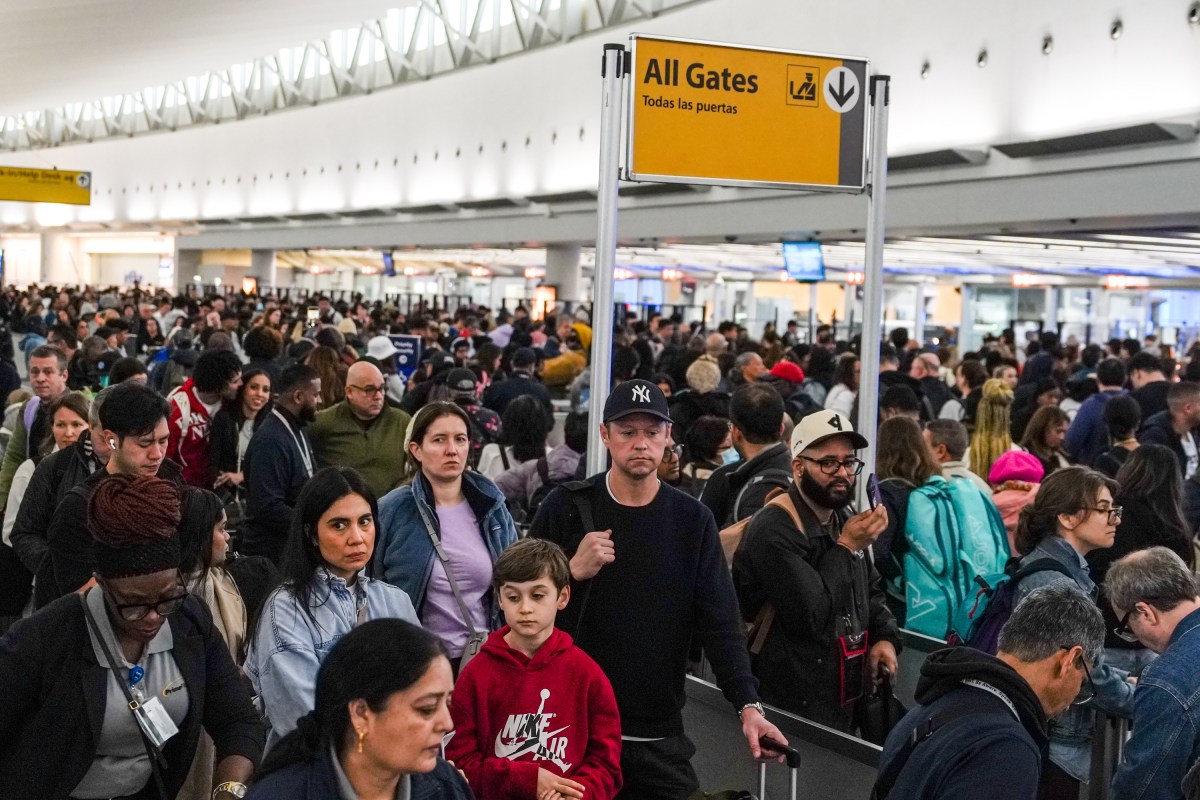
As the funding impasse dragged on, TSA workers began missing paychecks. Absenteeism rose. Staffing shortages followed. At airports across the country, lines grew longer, delays mounted, and frustration spread.
The ICE debate had been about principles: rights, accountability, the proper limits of federal power.
The TSA disruption was about experience. Travelers didn’t need to follow congressional negotiations to feel its impact. They were living it: missed flights, chaotic terminals, hours spent waiting in security lines.
Trump Changes the Frame
Funding for the Homeland Security Department lapsed on February 14, when Democrats refused to fund ICE as well as Customs and Border Protection without changes to their operations after the Minnesota deaths.
The Trump administration quickly seized the opportunity.
Their response was not to engage on the specifics of the Minnesota shootings. Instead, they reframed the entire conflict. The issue was no longer ICE misconduct. It was government dysfunction.
The most striking move was the threat and then use of ICE agents to fill gaps in airport security. That proposal blurred the line between the two agencies and forced Democrats into an uncomfortable position.
They had spent weeks arguing that ICE was out of control. Now, the administration was presenting ICE as a necessary backup to keep airports running.
The political message wrote itself: Democrats were blocking funding, and immigration agents were stepping in to keep the country secure.
It was a powerful reframing, and Democrats have struggled to counter it.
Standoff Deepens
The standoff deepened as Trump rejected a Republican-backed proposal to fund DHS while excluding ICE after weekend talks. He instead escalated demands, insisting any deal include the SAVE America Act, a strict voting bill with little chance of passing.
The White House also declined further talks with Democrats. Meanwhile, TSA warned airport chaos would persist unless DHS is fully funded, as Democrats continued pushing for major ICE reforms, including warrant requirements, limits on masks, and clearer identification for agents.
Democrats were not solely responsible for the standoff. They did attempt to pass standalone TSA funding. Republicans blocked those efforts. In procedural terms, the blame is shared.
But politics is often a question of perception.
What voters saw was simple: airports were not functioning properly, and Democrats were in a fight over funding.
This is the core problem Democrats ran into. They moved from a debate they were winning, about ICE accountability, to one they were always likely to lose: a shutdown fight tied to everyday disruption.
A Familiar Democratic Dilemma
There is also a deeper pattern at work.
Democrats often find themselves strongest when making moral or legal arguments, especially on issues like civil rights or government overreach. But those arguments can be harder to sustain when they collide with the practical realities of governing.
In this case, pressure from the party’s base pushed leaders toward a more confrontational stance. After Minnesota, calls for meaningful limits on ICE were not just politically advantageous; they were politically necessary within the Democratic coalition.
But that same pressure narrowed their room for compromise.
Muddled Political Battle
The result was a strategy that made sense internally but proved far riskier in the broader political arena.
And the underlying issue has not disappeared. The Minnesota shootings remain deeply controversial. Questions about ICE’s conduct, oversight, and accountability are still unresolved.
However, by allowing the fight to shift from ICE to TSA, from accountability to disruption, Democrats lost control of the narrative. They turned a clear, compelling case into a muddled political battle.
They had Trump on the defensive. Now they are explaining why airport lines are four hours long
Hey gang, Carlo Versano here. I hope you enjoyed this article. As Newsweek‘s Director of Politics and Culture and editor of the 1600 newsletter, I’m keen to hear what you think. Now, Newsweek is offering a new service to allow you to communicate directly with me in the form of a text message chat. You can sign up and get a direct line to me, as well as the reporters who work for me. You can shape our coverage.
As a Newsweek member, we’re offering this service to you for free. You can sign up below, or read more about how it works here. Let’s talk!
Read the full article here