






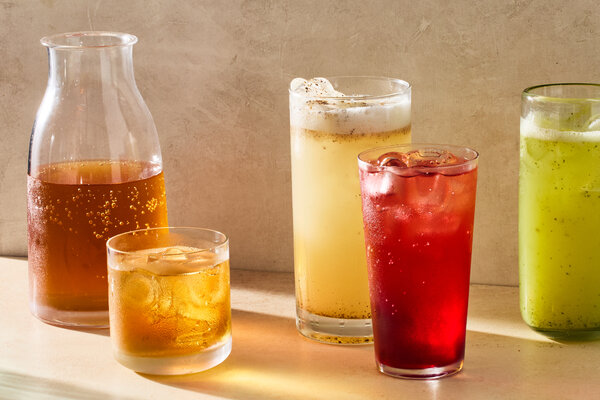
In the last part of a monthlong series, Pete Wells and experts suggest how to sidestep the perils of alcoholic or sugary beverages.
Reset Your Appetite This is the last of four articles by Pete Wells about how he developed healthier eating habits. The first focused on reducing sugar consumption, the second on stocking the home with the right foods and the third on mindful eating.
When the time came to purge some of the idiocy from the way I ate, I had no trouble swearing off duck skin, sticky buns, jelly beans and other foods that are highly stimulating but ultimately insubstantial. The hole they left in my diet was not large and easily filled with sensible choices.
I wasn’t all that upset, either, about having to find more nutritious stand-ins for white rice, pasta and other starchy foods that I relied on whenever my stomach sounded like a box of wolverines. I don’t suck up bowls full of bouncy yellow ramen noodles as often as I used to, but I do rely on soba made, deliciously and wholesomely, with pure buckwheat flour.
Cleaning up the way I drank was more challenging.
Sometimes it seemed to me that I had a richer, more rewarding relationship with alcohol than I did with all but a handful of humans. It was an inexhaustible field of study, an incandescent companion during great meals, a reliable consolation on dull ones. And it brought me close to my real friends, at least some of them, some of the time.
Over time, though, the rewards had become more equivocal and harder to justify. It wasn’t just the weight I gained, a predictable result of having a cocktail each night followed by about three glasses of wine or beer. They were, by this point, undeniable signs that my liver was overworked.
I slept badly with all that alcohol in my system, too, and it got worse as time went on. Anyone who stayed under the same roof told me my gasping and snoring weren’t just loud but frightening — a symptom of sleep apnea, aggravated by all that drinking. I was always tired. Most mornings, I fell asleep in a chair after my second cup of coffee.
Into each of those cups, I stirred a teaspoon of sugar and into the two or three I’d consume after the nap. My head howled for sugar to get going in the morning, and howled loudest of all on days when I was also hungover.
The howling got quieter once I started going to sleep sober and stopped when I’d lost enough weight to control my sleep apnea. When I cut back on drinking, a considerable number of daily calories just went away — some from the alcohol itself, some from the sugar in my coffee, and the rest from the extra food that alcohol made me want to eat.
When I drink at dinner, I am always a little hungrier. My mind gets vague and unfocused — part of the point of alcohol, of course, but it could make me lose track of which glass of wine I was on.
And whatever resolutions I’d made about, say, sitting out the dessert course would be undone once the alcohol soaked into my prefrontal cortex, the part of the brain that is supposed to be in charge of impulse control and judgment.
Do a Morning-After Check
“Coffee by itself is a health food,” said Dr. David Ludwig, an endocrinologist and researcher at Boston Children’s Hospital. But if you add sugar, “you undermine the health benefits.”Credit…Connect Images/Getty Images
In his book “The Hunger Habit: Why We Eat When We’re Not Hungry and How to Stop” Judson Brewer, a professor of behavioral and social sciences at Brown University, calls alcohol a “double whammy” for eaters because it clouds our judgment and fuzzes up our perceptions.
He suggests that people wait to assess the damage until the morning after.
“They want to ask in a nonjudgmental way, Was that drink worth it? And just objectively, like a scientist, measure the outcomes from that drink,” including how clearly they remember the meal, whether they were in control of how much they ate and drank, and how well rested they feel.
“And then do the comparison to what happens when they don’t drink,” he said.
Even in sober moments, I didn’t give much thought to all the alcohol and sugar in the liquid portion of my diet. I knew enough to stay away from soda, bottled sweet tea and other sugary beverages, one piece of advice on which nutritionists seem to be unanimous.
I would shudder when I saw baristas double-pump caramel syrup into somebody else’s latte. But I didn’t notice how closely my own coffee was starting to resemble melted ice cream or worry too much about how my first glass of wine made it easier to order more.
Looking at the changes I’ve made, I realize that I am one of the lucky ones. Much as I enjoy alcohol, it was not a compulsion for me. I sometimes have a glass or two when I go out to eat, but I’m not tempted to have another and another and another.
I’m fortunate, too, that I enjoy my coffee black, the way I drank it before driving my metabolism into the ditch.
“Coffee by itself is a health food,” said Dr. David Ludwig, an endocrinologist and researcher at Boston Children’s Hospital. “One of the nice things is that it squeezes calories out of your fat cells so you’re less hungry,” he said, citing studies that suggest that caffeine stimulates lipolysis, the process of breaking down stored fats.
But when you add a lot of sugar, he said, “you undermine the health benefits of the coffee.”
Search for Substitutes
I have water with most meals now, though sometimes not, because I’m still an interesting person, OK? Especially with Mexican food, I make a lot of agua frescas and find that they don’t need much sugar if they’re made from sweet ingredients like melon, cucumber and pineapple. In Mexico, they are often strained, but I usually leave the pulp in, which slows the rate at which the sugar hits the bloodstream.

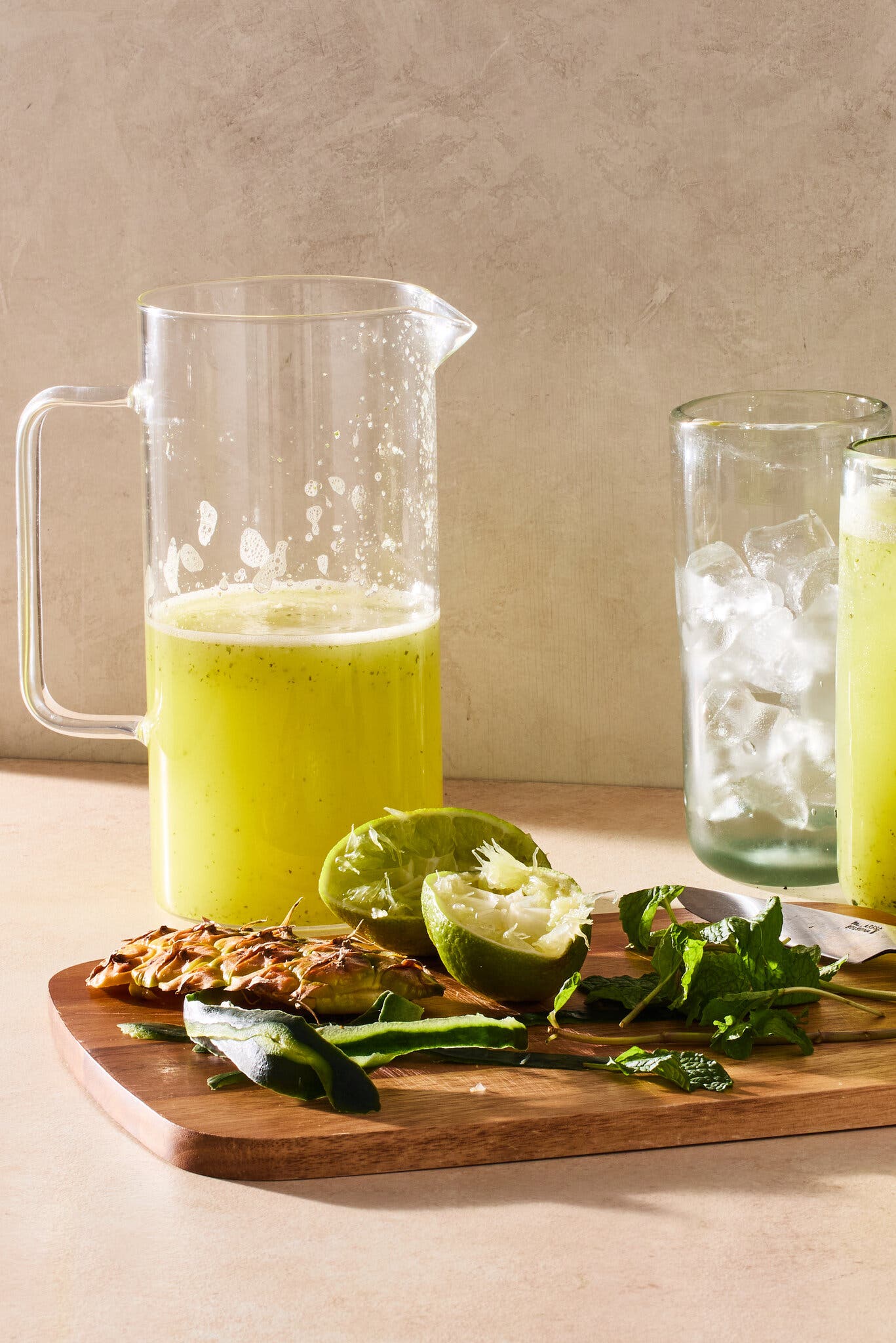
Agua fresca made with pineapple and cucumber doesn’t need a lot of sweetener, if any.Credit…Julia Gartland for The New York Times. Food Stylist: Barrett Washburne.
Last summer I experimented with Indian spiced lemonade, known as shikanji or nimbu pani, to see how sour I could drink it before I made a face. The toasted cumin and black rock salt, with its sulfurous aroma of boiled eggs, distracted me from the reduction in sugar, up to a point. Maybe next summer, I’ll cut out the sugar entirely, as some people in India do.
I’m into a soft drink served at Superiority Burger in Manhattan, the Sugarless Cape Cod — unadulterated cranberry juice mixed with a copious squirt of seltzer. It’s lean and potent, and scours the mouth usefully between bites.
Unsweetened iced tea, that old standby for abstainers, has saved me many times. Like wine, tea has tannins, which provide some friction for richer food to brush up against, although very strong tea can be overbearing at the table. I prefer the softer effect you get from cold brewing for several hours. Oolong and hojicha respond well to this treatment. Korean barley tea gets along nicely with food, too, though, of course, it’s not a true tea.
There are nights when I feel lucky to live in the glorious age when humanity finally figured out how to make nonalcoholic beer taste good. Drunk with a meal, it behaves more or less the way real beer does, though it’s not as good at sluicing away capsaicin, the stuff that makes chiles spicy. Nonalcoholic wine and cocktails haven’t come quite as far, but they are much better than they used to be.
But, I’m glad to say, I still have wine every week or two. And I haven’t completely given up martinis, the first drink I learned to love. Ordering one at a bar, feeling the hair on the back of my neck stand up as the first sip takes hold, I feel like I’ve been reunited with an old friend. At the same time, it’s one of those old friends I don’t need to hang out with more than two or three times a year.
Recipes to Reset Your Drinking
Cold Brew Coffee | Cold Brew Coffee, Pro Style | New Orleans Cold Drip Coffee | Turmeric Tea | Three-Herb Iced Tea | Mojito Iced Tea | Peach Tea | Nimbu Pani Limeade | See all recipes from this series
More From This Series

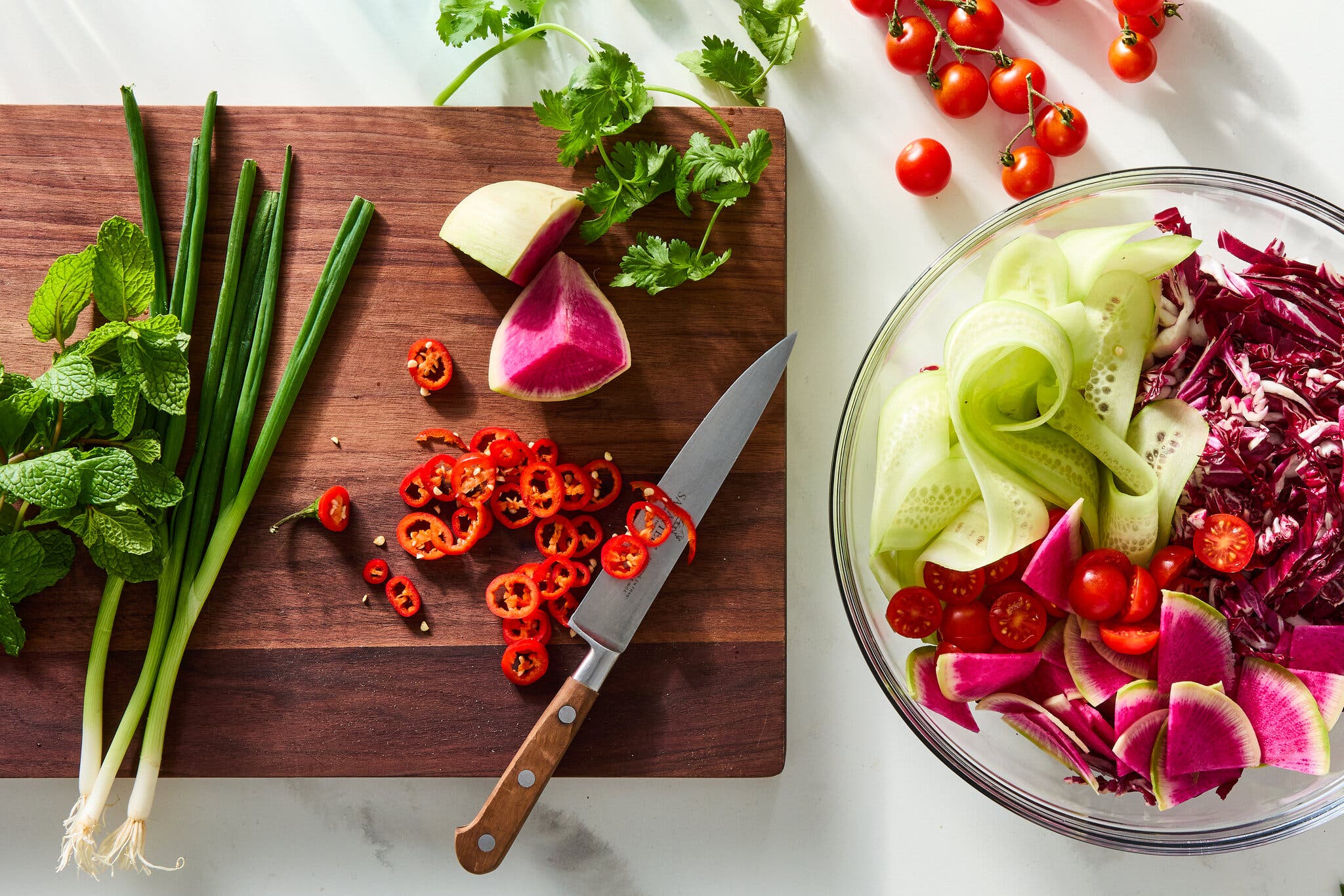
Credit…Julia Gartland for The New York Times. Food Stylist: Barrett Washburne.

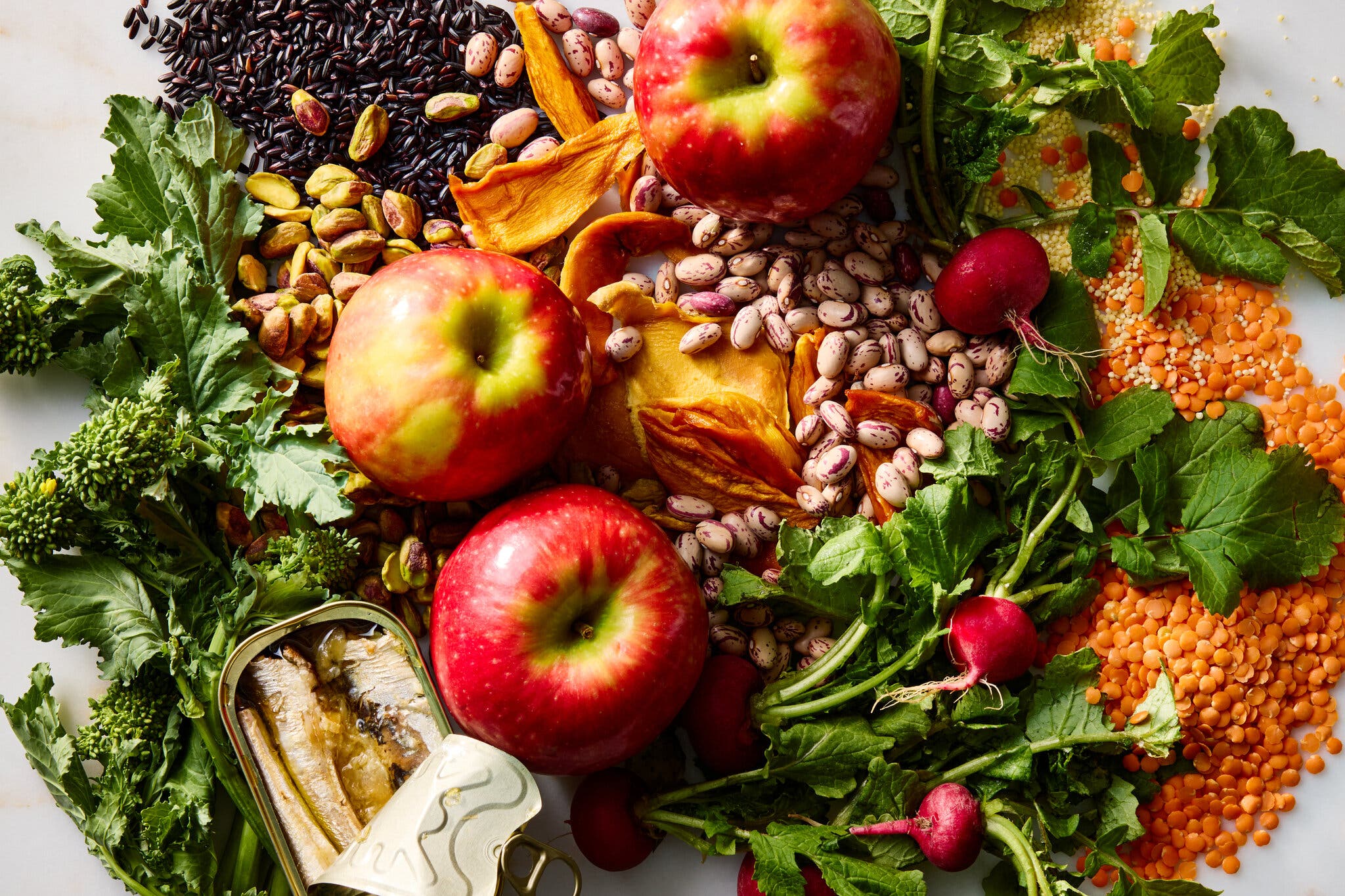
Credit…Rachel Vanni for The New York Times. Food Stylist: Spencer Richards.
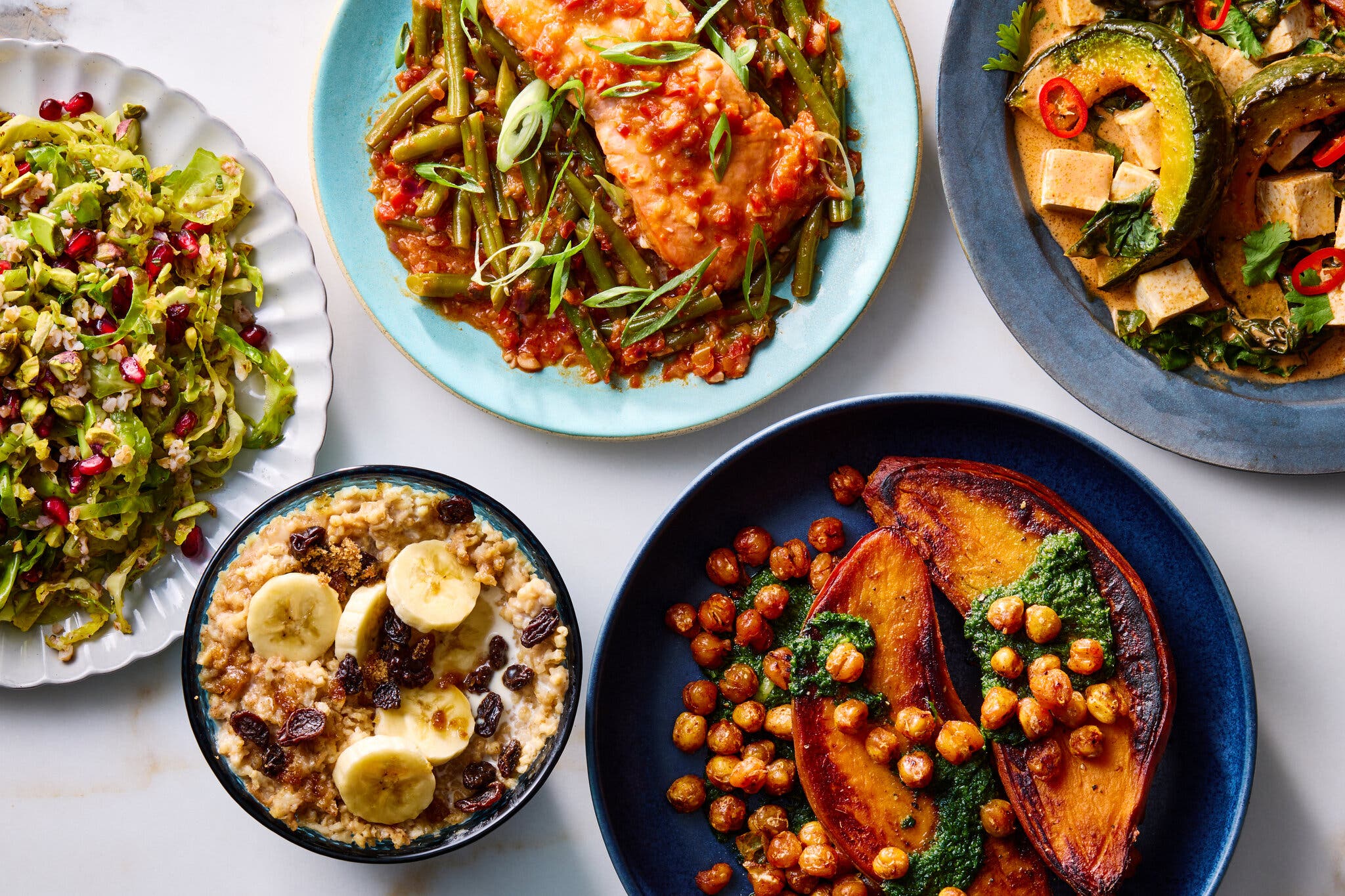
Credit…Rachel Vanni for The New York Times. Food Stylist: Spencer Richards.
Follow New York Times Cooking on Instagram, Facebook, YouTube, TikTok and Pinterest. Get regular updates from New York Times Cooking, with recipe suggestions, cooking tips and shopping advice.
Read the full article here