





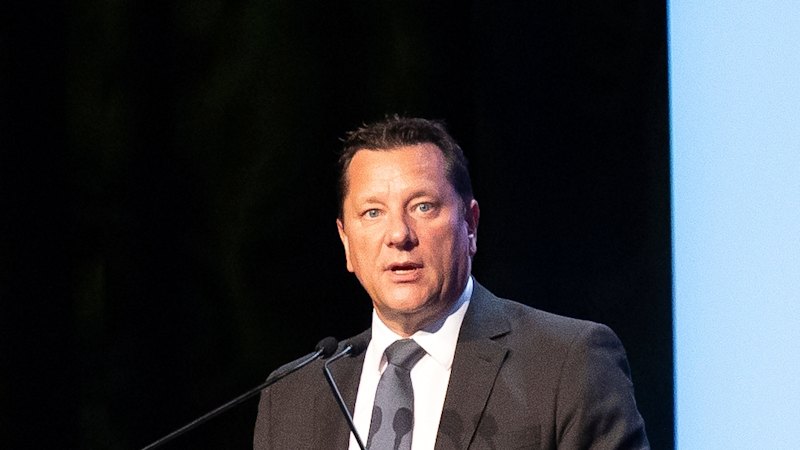
Planning Minister Paul Scully has acknowledged NSW is falling short of where it hoped to be in meeting national housing targets, but says recent planning reforms are beginning to show signs of a turnaround.
Speaking in a fireside chat with incoming Herald editor Jordan Baker, Scully said the state was “further behind than what we’d like to be at this point” in delivering its share of homes under the National Housing Accord, which requires NSW to contribute to a target of 377,000 new dwellings by July 2029.
“But we’re starting to see a turnaround,” Scully said. “After you make changes to a planning system, it takes nine or 12 months for those changes to come into effect, or to bear fruit.”
Scully pointed to a difficult economic backdrop as a major factor slowing housing delivery over the past two years. Construction costs have risen sharply, he said, with building materials increasing by about 30 per cent and failing to fall back, while higher interest rates have weighed heavily on developer confidence.
“We’ve also had a challenging interest rate climate, not helped by the decision this week,” he said.
“But we’re starting to see an uptick. We’re starting to see a lot more projects coming into the pipeline.”
Baker questioned whether the NSW government had made a mistake by committing to ambitious housing targets that now appear difficult to reach. Scully said that targets were still necessary even if they were not always met.
“No, I don’t think so. We’ve all got targets in life,” he said. “I’m sure a few people around the room, like myself, decided at the start of the new year to drop a few kilos. We don’t always make them, but it doesn’t mean we shouldn’t set them.”
Pressed on whether the government had an overarching vision guiding its reforms, Scully said the focus was on increasing density in established areas, particularly around transport hubs, to support Sydney’s growth as a global city.
“If we’re going to be the kind of city that attracts people from around the world, we need people living in and around transport hubs, connected to where the job opportunities are,” he said.
Scully said the government’s reform agenda extended beyond housing supply alone, pointing to changes aimed at improving Sydney’s liveability and economic activity. These include lifting caps on major events and encouraging outdoor dining, measures he said were designed to “make Sydney more attractive” as both a place to live and to do business.
Read the full article here