




From 2019 to 2023, the number of hosted homes on Airbnb fell by 32 per cent, from 73,000 to 50,000, while non-hosted properties rose by 15 per cent from 60,000 to 69,000, the report found.
Nowhere is this trend more pronounced than in coastal Victoria.
The number of non-hosted properties on the Mornington Peninsula surged by 28 per cent, from about 2500 in 2019 to 3300 in 2023, making the tourist region the nation’s Airbnb heartland.
Bass Coast Shire, which includes short-stay hotspot Phillip Island, experienced a 30 per cent surge in the same four-year period, while listings in central Melbourne fell significantly, from 2600 in 2019 to less than 2000 in 2023.
Lang said the decline in Airbnb listings in the City of Melbourne was part of a national trend, with Sydney and Brisbane also dropping off, while the number of non-hosted listings rose sharply in holiday locations such as the Whitsundays, Noosa and the Barossa Valley.
While those places have all had short-stay rental accommodation for a long time, Lang said, Airbnb’s emergence as a dominant platform on the market had coincided with a worsening housing shortage.
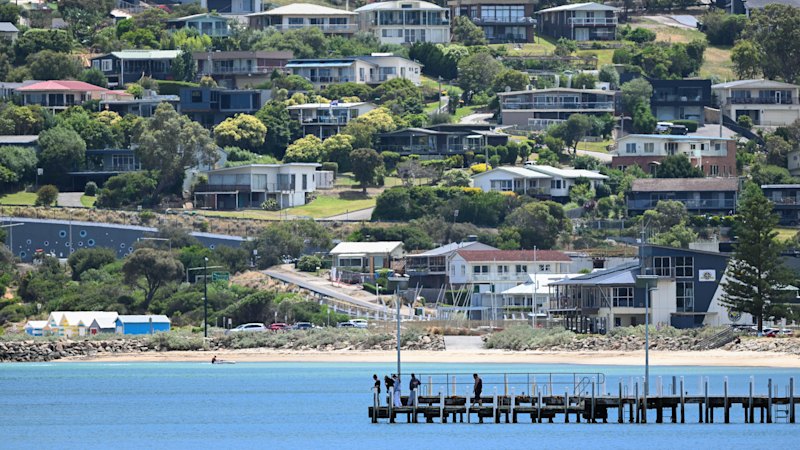
The number of non-hosted properties in the Bass Coast Shire, including the town of Inverloch, jumoed by 30 per cent from 2019 to 2023.Credit: Eddie Jim
“For some of these towns, housing has just become incredibly unaffordable and unavailable,” she said. “Tourists can be great for your business, but some of those areas are hitting densities where it’s difficult to get staff because it’s so difficult to find housing.”
Mornington Peninsula Shire Mayor Anthony Marsh said Airbnb had changed the holiday rental landscape in the area, as relatively humble beach houses were being rented out by owners “making an absolute killing”.
“We get 8 million visitors a year … so there is, to some extent, a reliance on these holiday rentals. But Airbnb have changed it from the little shack that people might rent out in Blairgowrie over a couple of weeks to what’s very much this commercial business model now.”
Loading
Marsh said many properties could potentially serve as affordable long-term rental accommodation, but owners had calculated that renting them out for short stays was more profitable.
“Thinking of say, Rye, I’m sure if you jump on Airbnb and look at some of the houses, they’re probably reasonably normal beach houses that are making an absolute killing during the week. But if they’re on the rental market, that would be probably considered affordable, and I think that’s where it’s doing the biggest damage,” he said.
The Victorian government introduced a 7.5 per cent levy on short-stay accommodation bookings on January 1, arguing it would make more properties available for long-term rentals.
The levy is expected to generate $75 million in revenue in its first full year, according to the Parliamentary Budget Office, with all of that revenue to go to Homes Victoria, and 25 per cent directed to regional areas.
Airbnb declined to comment when contacted by The Age. According to Airbnb data, the overwhelming majority of hosts – 85 per cent – list just one property on the platform.
Start the day with a summary of the day’s most important and interesting stories, analysis and insights. Sign up for our Morning Edition newsletter.
Read the full article here