





NEWYou can now listen to Fox News articles!
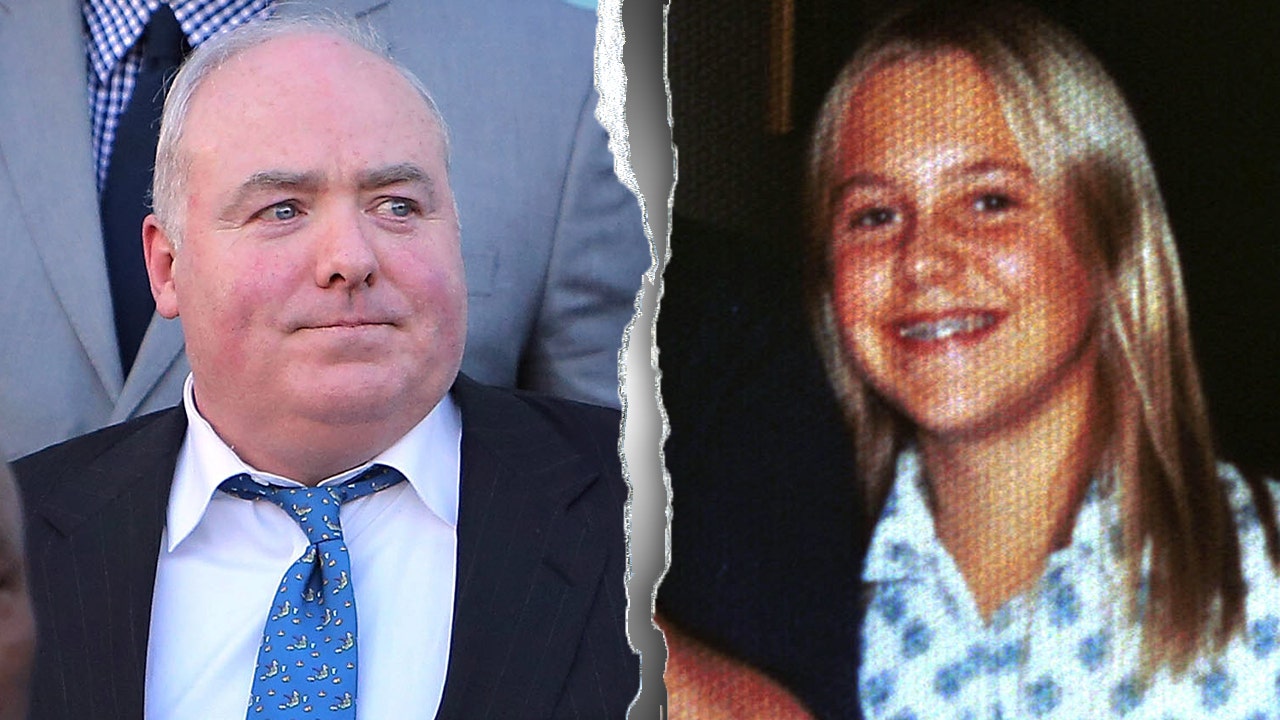
Five decades after Martha Moxley, the daughter of an affluent Connecticut family, was found murdered outside her home, the Kennedy cousin formerly at the center of the case is speaking out for the first time.
Michael Skakel, cousin of Robert F. Kennedy Jr., spent 11 years behind bars for the 1975 murder of Moxley. Despite being released from prison in 2013 and later having his conviction vacated, Skakel is still looking to assert his innocence in a case that has captivated the nation.
In the new NBC News podcast titled, “Dead Certain: The Martha Moxley Murder,” Skakel spoke publicly at length for the first time since his conviction was overturned to recount his upbringing and explain his side of the murder case.
Moxley was only 15 when she was beaten and stabbed to death with a golf club in the yard of her family’s suburban Greenwich home on Oct. 30, 1975. She was last seen hanging out with friends on “Mischief Night,” an annual evening in which children partake in neighborhood pranks on the night before Halloween.
KENNEDY COUSIN TIED TO MARTHA MOXLEY CASE BREAKS SILENCE 50 YEARS LATER AS MURDER REMAINS UNSOLVED
An autopsy later revealed Moxley had been killed with the golf club, which was ultimately traced to the Skakel family’s home.
Investigators initially began looking into Thomas Skakel, Michael’s older brother, and the family’s live-in tutor, Kenneth Littleton, before ultimately turning their attention to Michael, who was 15 at the time of Moxley’s death.
For decades, Skakel had remained largely silent. However, he is now speaking out to tell his side of the story, while recounting painful details about his traumatic childhood.
Skakel detailed how his family’s Catholic religion played a large part in his upbringing, while recalling how he was hit over taking Playboy magazines when he was a child.
WITNESS IN HOLLY BOBO MURDER TRIAL ADMITS LYING, RAISING QUESTIONS ABOUT NURSING STUDENT’S TRUE KILLER

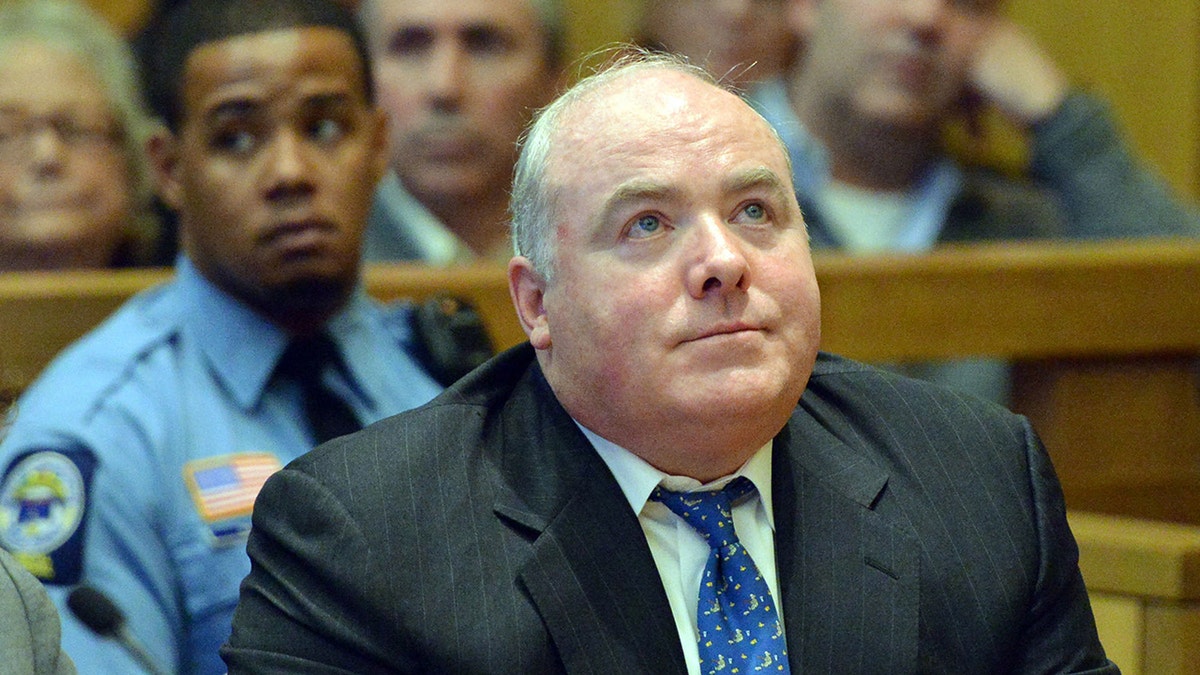
He went on to discuss how his parents primarily showed affection toward his brother, Tommy, when the brothers were growing up. Skakel also pointed to how his parents hardly visited him after he was hospitalized with a broken neck when he jumped off a desk in his childhood home.
When Skakel’s mother was dying from cancer, the young boy was told her hair was falling out due to her shampoo – not the treatment – and was ultimately blamed for her illness by his father, he said.
Skakel recalled a time in which his father, whom he had not seen in weeks, told him, “You make me sick. If you only did better in school, your mother wouldn’t have to be in the hospital.”
“I just wanted to die,” Skakel said in the episode, as he recalled how his father barely addressed his mother’s death.
MANHATTAN DA TO RETRY PEDRO HERNANDEZ AFTER CONVICTION IN 1979 KIDNAPPING, KILLING WAS OVERTURNED
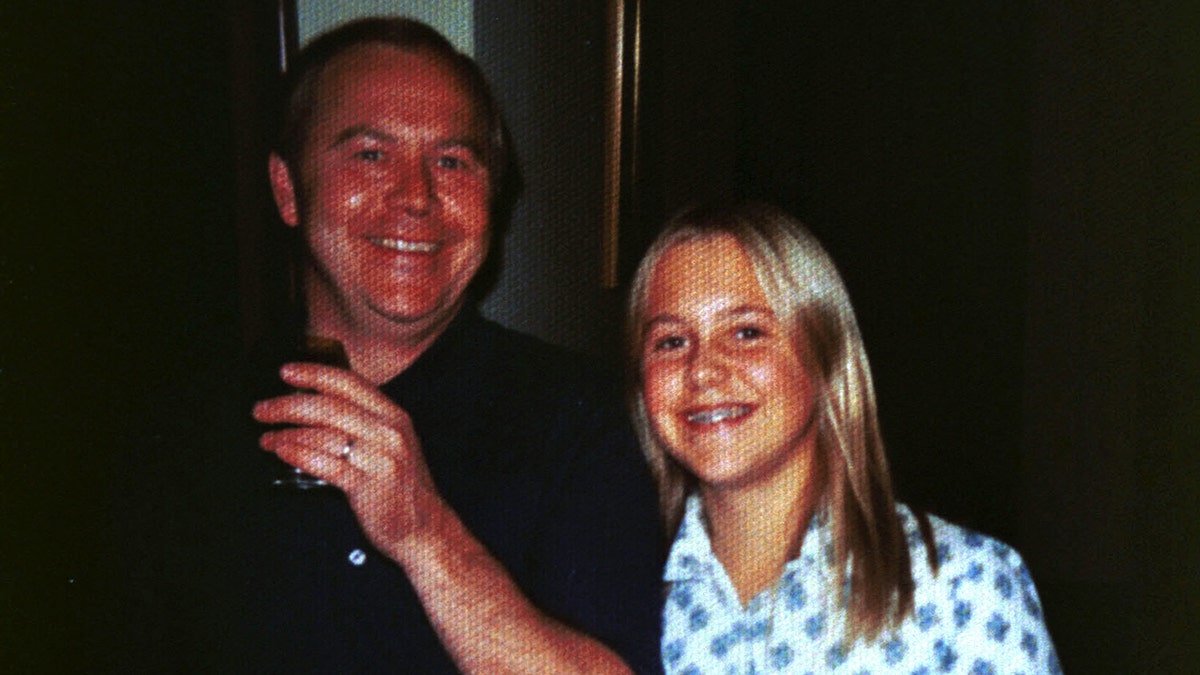
As his mother struggled with her illness, Skakel began drinking when he was just a teenager. On the day she died, he finished off an entire bottle of Smirnoff on his family’s lawn, he said.
“His alcoholic, abusive father tortured him physically and psychologically throughout his boyhood, including beating him and telling him he was responsible for killing his mother,” Dr. Carole Lieberman, a forensic psychiatrist, told Fox News Digital.
Lieberman pointed to how the psychological damage inflicted on Skakel likely impacted him in his adult life as his drinking eventually escalated. In 1978, he borrowed his brother’s car and, while driving with a few friends, smashed into a telephone pole.
In exchange for not being charged with a DUI, the family’s lawyer concocted a deal in which Skakel was sent to the controversial Élan School in Maine in an effort to correct his unruly behavior.
MENENDEZ KILLERS RIDE HOLLYWOOD WAVE, CELEBRITIES’ SPOTLIGHT IN BID TO WALK AFTER PARENTS’ MURDERS

Individuals from the boarding school traveled to Connecticut to pick him up, with Skakel recalling how he “was dragged out of there like an animal,” before being loaded onto a plane where he was thrown into “a world of utter insanity.”
The Élan School had roughly 300 live-in students who were often subjected to harsh physical punishments, prolonged screaming and occasionally wearing dunce caps, according to the podcast. Headcounts were carried out every 15 minutes to keep residents from escaping, which Skakel attempted multiple times.
In an emotional recounting, Skakel described how he was subjected to various punishments, including the “general meeting” and “boxing ring” where students would face forms of physical brutality.
“They sent maybe 10 guys upstairs to get me,” Skakel said, as he recalled a failed escape attempt. “And they literally picked me up over their heads and carried me down the stairs like I was a crash test dummy. And when I was probably 10 feet from the stage, they threw me and I thought I broke my back on the stage.”
ERIK MENENDEZ DENIED PAROLE BY CALIFORNIA BOARD IN BEVERLY HILLS MURDER CASE

After Skakel left the school, he was diagnosed with post-traumatic stress disorder (PTSD) and spent a month at a residential care facility in California.
He got married in 1991 and established a skiing career. However, his new life in Hobe Sound, Florida, came crashing down in 2000, when authorities issued a warrant for his arrest in Moxley’s murder.
“My Uncle Tommy rented me a private jet the next morning,” Skakel said. “And I flew from [the] Jupiter jet port, the private jet port, to Teterboro, and I’m looking on the news the next morning and it’s all over every station.”
Skakel did not immediately return Fox News Digital’s request for comment.
BOSTON STRANGLER’S UNHEARD CONFESSION TAPES CAST NEW DOUBT ON ‘AMERICA’S JACK THE RIPPER’: VICTIM’S NEPHEW
On Jan. 19, 2000, Skakel turned himself in to authorities after police issued a warrant for his arrest, 25 years after Moxley was killed. Skakel, who was 39 at the time, was initially arraigned as a juvenile, with the case later ending up in regular court.
He was convicted of murder by a panel of 12 jurors in Norwalk Superior Court on June 7, 2002, and later sentenced to 20 years in prison.
In 2013, following multiple failed attempts to appeal his conviction, Skakel was granted a new trial after a judge ruled his attorney, Michael Sherman, did not adequately defend him in his original case.
CLICK HERE TO DOWNLOAD THE FOX NEWS APP
Skakel’s conviction was ultimately vacated by the Connecticut Supreme Court on May 4, 2018, with prosecutors later deciding to not seek a second trial for Skakel on the murder charge.
“Michael Skakel should never have spent one day in prison because there was no way to determine that he was guilty beyond reasonable doubt,” Lieberman said. “Many threads were left hanging. From a questionable police investigation to a questionable attorney who didn’t bring the alibi witness in to testify, to media sensationalism and no forensic evidence.”
“Michael was a victim of torture throughout his life, from his childhood to the court system,” Lieberman said, adding Skakel “has continued to unconsciously play out this victim role until today.”
While the mystery surrounding who killed Moxley continues to loom over the case, Skakel’s bid to assert his innocence in the podcast adds a new voice to a story that has been marred by decades of silence.
Read the full article here