




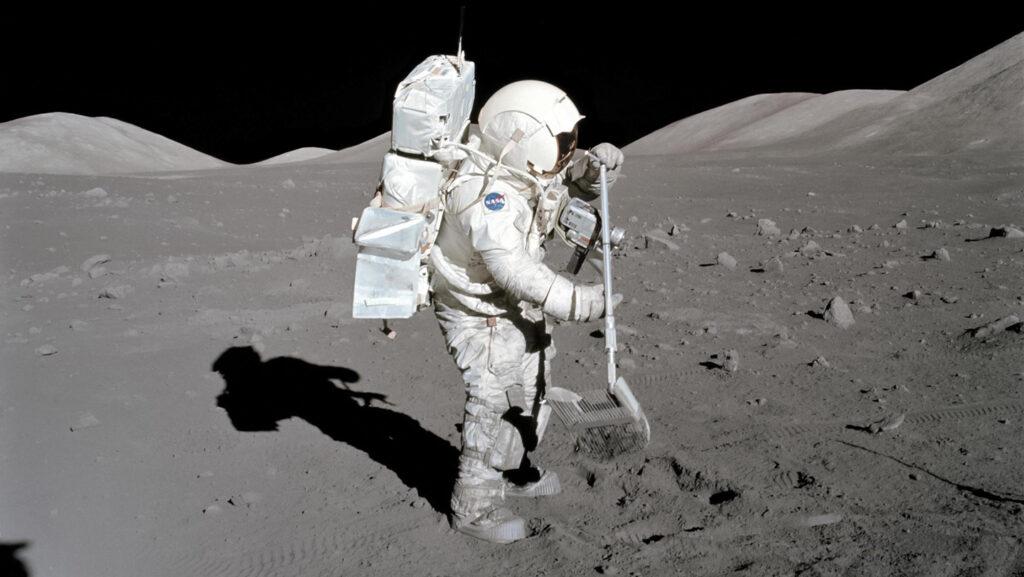
Certain hardy microbes could survive on the moon.
Previous lunar missions explored the moon’s equator, where high ultraviolet radiation and daily temperature swings make the surface inhospitable to life. But Artemis IV, set to launch in 2028, will land a crewed mission on the moon’s south pole. The pole’s unique topography could sustain some bacteria and fungi, meaning future missions should carefully consider the risk of contamination in the region, researchers report August 19 in Science Advances .
We summarize the week’s scientific breakthroughs every Thursday.
At the poles, sunlight hits the moon’s surface at a much lower angle than at the…
Read the full article at SCIENCENEWS.ORG