





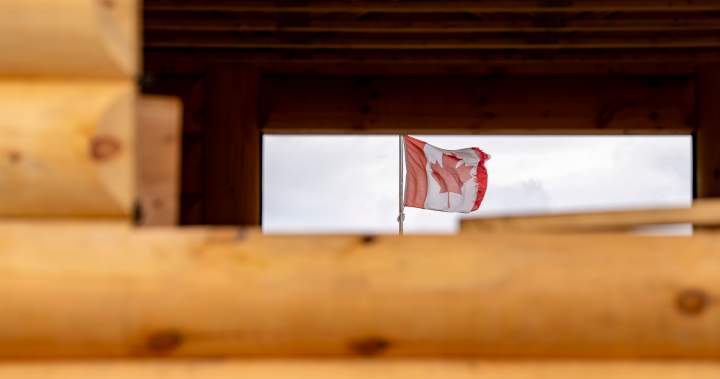
The federal government’s “Buy Canadian” policy for procurement for large infrastructure and defence projects kicked in on Tuesday as the U.S. trade war continues, Procurement Minister Joël Lightbound says.
The policy was announced by Prime Minister Mark Carney in September and is essentially a mandate for the federal government to source components used in major government projects from domestic manufacturers.
The procurement policy will extend immediately to government contracts valued at $25 million and over, but will expand to contracts valued at $5 million and over by the spring of 2026, Lightbound said.
“In other words, companies with a real footprint in Canada — those that invest here, employ Canadians and innovate domestically — will receive a clear advantage when they bid on federal contracts,” he said.
Additionally, large federal construction and defence projects valued at $25 million or more will be required to use Canadian-produced steel, aluminum and wood products where the basic supply is available, he added.


Get daily National news
Get the day’s top news, political, economic, and current affairs headlines, delivered to your inbox once a day.
Under the new policy, these materials must be manufactured or processed in Canada, not just sold by distributors, to ensure that federal projects “genuinely drive demand for Canadian-made material.”
The new policy applies across federal departments and agencies. It will also apply to Crown corporations and grants and contribution programs of the federal government.
“With Buy Canadian, we are fully leveraging public procurement as an economic development tool, strengthening supply chains, supporting jobs and helping Canadian businesses compete globally,” Lightbound said.
The government has already put in place a similar policy for the use of Canadian steel and softwood lumber for federal projects.
In July, Carney had announced Canada would “restrict and reduce foreign steel imports entering the Canadian market.” In August, the policy was extended to Canadian lumber.
Read the full article here