



The first time I was in Punta San Juan, the desert was flooded with birds. It was 2012, and I was making a short documentary film about the cormorants, pelicans and penguins that made this arid peninsula in southern Peru one of the largest gatherings of seabirds on Earth.
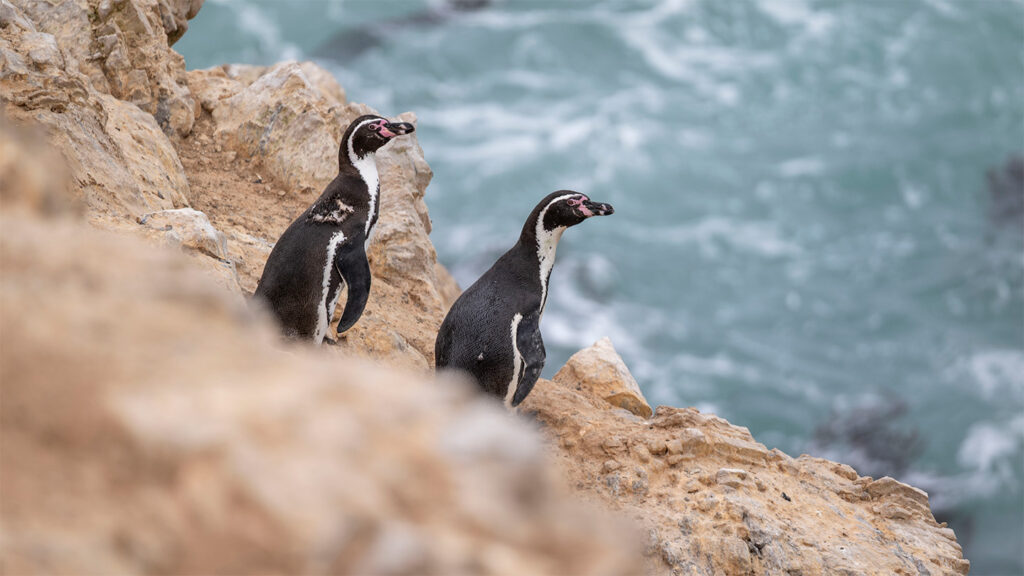
At the time, this 133-acre reserve — a patch of rock and sand jutting into the frigid waters of the Pacific Ocean — was home to more than a quarter million seabirds, including 300,000 Guanay cormorants ( Leucocarbo bougainvilliorum ) and some 3,000 Humboldt penguins ( Spheniscus humboldti ).
One of the few species of desert penguin, the Humboldt live along the arid coast of…
Read the full article at SCIENCENEWS.ORG