





Platypuses just got weirder.
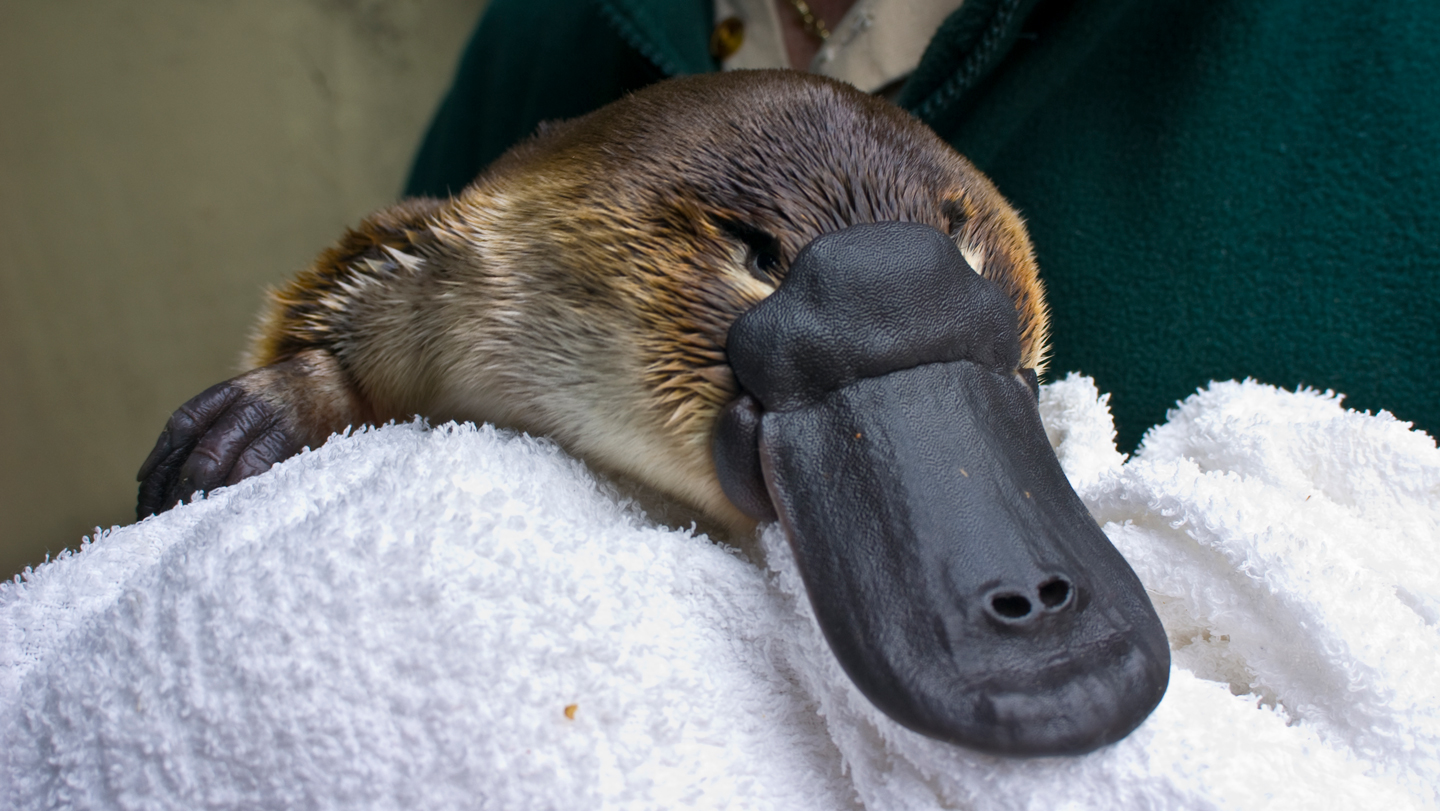
As if a mammal that lays eggs, senses electricity with its bill and fluoresces isn’t enough of a headscratcher, now it appears platypuses also share a feature with birds. Tiny pigment-filled packets in the mammals’ hair are hollow — a trait previously thought to be found only in avian feathers, researchers report March 17 in Biology Letters.
Scientists have “never, ever seen anything like this before,” says biologist Jessica Dobson of Ghent University in Belgium.
Dobson was comparing the pigment-filled packets, called melanosomes, inside the hair of several mammal species when her Ph.D. supervisor, Liliana D’Alba, noticed the platypus oddity. Typically, mammals’ melanosomes are solid, and those of birds can be hollow, but seeing a platypus with hollow melanosomes led Dobson to dig deeper.
She next used an electron microscope to examine melanosomes from hair across the bodies of 12 platypuses. Then, she looked at melanosomes from echidnas — platypuses’ closest relatives — and from several species of marsupials, the group that includes wombats and possums. Hollow melanosomes didn’t show up in echidnas or marsupials. They also didn’t appear in any of the mammal species that Dobson had already documented for her other project. Combined with the new animals, the data represent 126 species of mammals.
Dobson also extracted melanin pigments from platypus hair to compare their chemical composition with the pigments of other mammals. Although platypus melanosomes are round in shape, the melanin they contain looks more like that often found in elongated melanosomes, producing darker colors such as browns and blacks. Lighter reds and yellows are typically associated with spherical melanosomes. The round, hollow combination is also unique. In birds with hollow melanosomes, the structures are always rodlike.
“It just keeps getting cooler,” Dobson says.
The discovery grows even more puzzling: In birds, the hollowness of melanosomes can contribute to the iridescent sheen of feathers. But platypuses aren’t iridescent. And mammals that are iridescent — such as certain rodents — have solid melanosomes. It’s unclear how platypuses benefit from having hollow melanosomes at all, the researchers say.
-
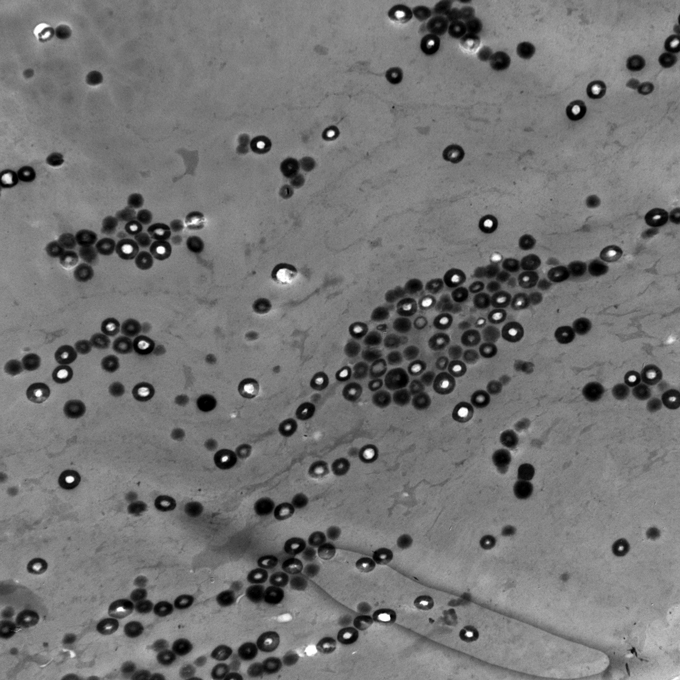
Platypuses have hollow, spherical melanosomes. Spherical melanosomes are usually associated with the pigment pheomelanin, which yields lighter colors like red and yellows, but platypuses’ melanin looks more like the darker eumelanin. The magnification is 1,200 times the original size. Jessica Leigh Dobson/Ghent University

“My gut feeling is it’s nothing to do with color, it’s to do with some other lifestyle attribute,” says evolutionary ecologist Tim Caro of the University of Bristol in England, who was not involved in the work.
It’s possible that platypuses’ melanosomes are an adaptation related to an aquatic lifestyle, perhaps insulation, Dobson and her colleagues speculate. That could help explain why echidnas, as nonaquatic landlubbers, don’t share the trait with their water-loving relatives.
Looking at the melanosomes of other aquatic animals could therefore help answer some questions, Caro says, although he doesn’t think the trait will be repeated. Dobson also doubts any other mammals have hollow melanosomes. “I find it very, very unlikely that it wouldn’t have been found already.”
Read the full article here