




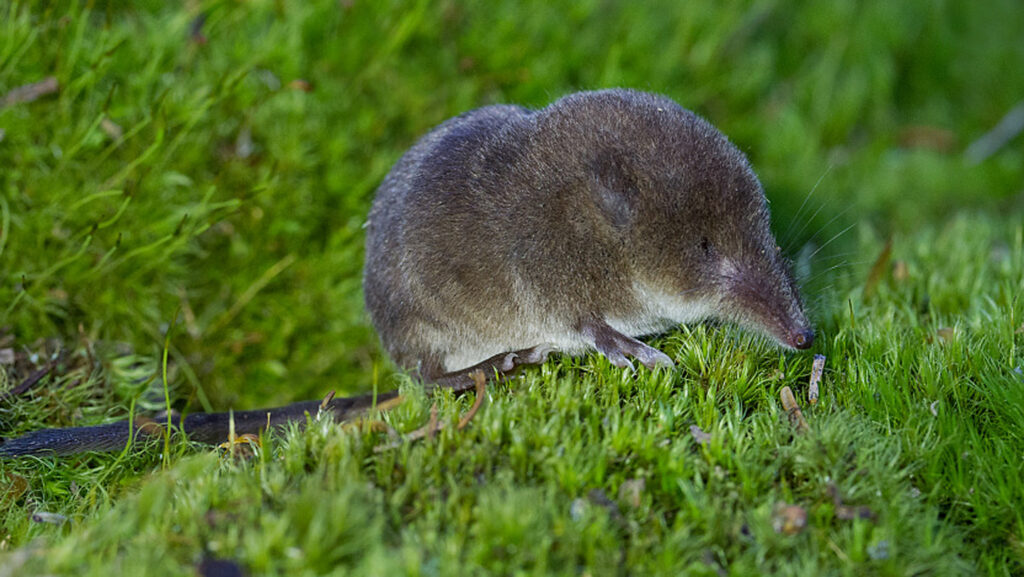
This nose grows. During harsh Japanese winters, long-clawed shrews’ snouts temporarily expand.
The seasonal swelling is the opposite of the previously known winter pattern in shrews, in which the brain and surrounding cranium shrink. The findings complicate our understanding of an already extreme adaptation for harsh, frigid conditions, researchers report August 19 in Proceedings of the Royal Society B .
The temporary dwindling and regrowth of the brain and skull tissue in shrews is part of Dehnel’s phenomenon, first described by Polish zoologist August Dehnel in 1949. The phenomenon involves winter reductions in body size and internal organ…
Read the full article at SCIENCENEWS.ORG