





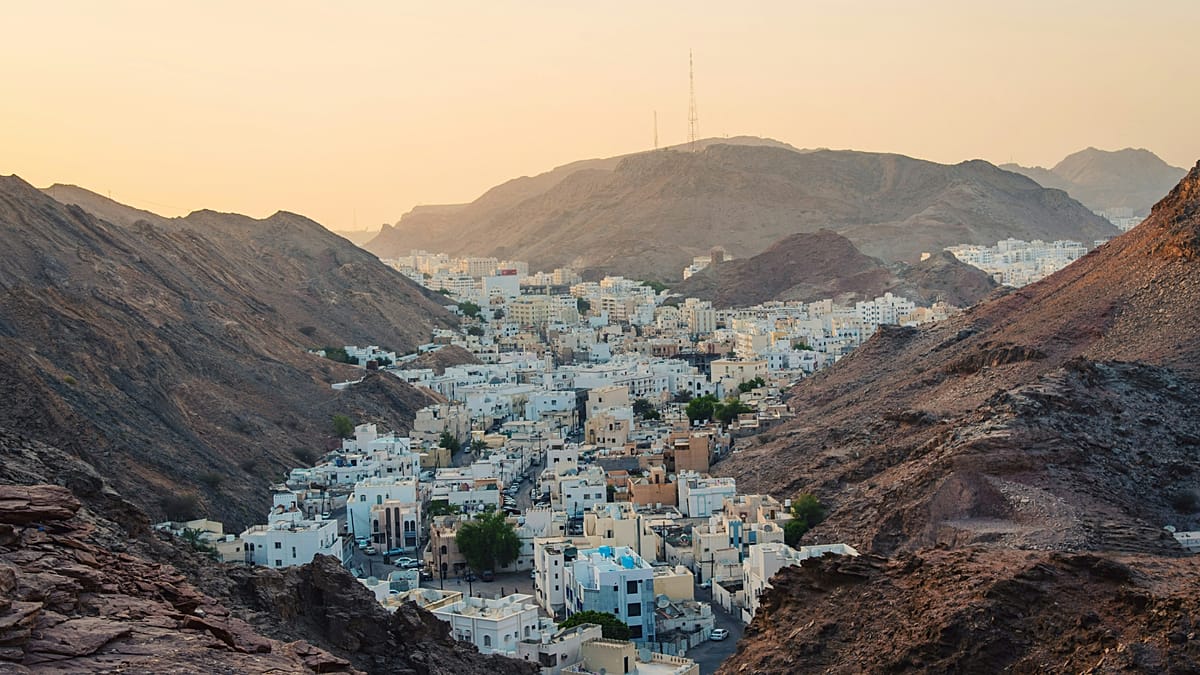
While Dubai is straining under a tourism boom and Saudi Arabia has launched multi-billion-dollar projects to boost its visitor numbers, neighbouring Oman is quietly enjoying its own uptick in interest as a travel destination.
The Middle Eastern nation has been drawing tourists looking for a less commercialised and more authentic experience of heritage and nature.
“The Omanis are deeply proud of their natural beauty and cultural heritage, and their tourism policies are designed to protect both,” says Daniel Waters, Sales Manager at adventure tour company Wild Frontiers.
“This means you won’t find sprawling high-rise cities or generic resort experiences. Add to that the great weather during the European winter and the fact that it’s only a mid-haul flight away, and you can see why Oman is quickly rising in popularity.”
A recent study by data intelligence advisors Mabrian found that cultural experiences remain a central pillar of Oman’s tourism appeal, and nature and active lifestyle activities together have recently risen to become the main source of enjoyment for travellers exploring the Sultanate.
It will also soon be easier for travellers already heading to or staying in other Gulf countries to hop over the border. A new tourist visa will launch in early 2026, which will mean being able to visit Bahrain, Kuwait, Oman, Qatar, Saudi Arabia, and the United Arab Emirates with a single permit.
For holidaymakers looking for adventure, here’s how to discover Bedouin traditions in the desert, turtle sanctuaries on the coast, and treks through the mountains in Oman.
Is Oman safe for travellers?
Foreign tourists, particularly women or LGBTQ+ travellers, have to consider safety and social etiquette carefully when travelling to the Middle East. But Waters says that shouldn’t put them off Oman – they just need to plan accordingly.
“Oman is an incredibly safe and welcoming country, which immediately makes it appealing to travellers,” he says, “but it remains traditional at heart, so a bit of cultural awareness goes a long way.”
When visiting mosques, both men and women should ensure that their arms and legs are covered, and women will also need to cover their heads. Outside of religious sites, it’s best to err on the side of modesty – shorts are fine for men, and women can comfortably wear knee-length shorts or skirts.
When swimming in public places such as city beaches or popular wadis, both men and women should keep their tops covered and wear shorts to the knee.
In private hotel pools or more remote locations, standard swimwear is acceptable. Alcohol is available in most large hotels and many restaurants, Waters says.
Visit turtle sanctuaries on the coast
One of Oman’s draws for nature lovers is how much variety there is in a relatively compact area.
“You don’t need to travel far to experience that diversity – mountains, desert and coast are all within a few hours’ drive of each other,” says Waters.
Travellers can explore the coast, rich with opportunities for snorkelling, diving and boat trips. Waters suggests going to the Dhofar governorate for lush, tropical landscapes during the khareef (monsoon) season (late June to mid-September).
Plus, Oman’s coastline is home to the world’s largest population of endangered loggerhead turtles and green turtles, so a visit to a turtle sanctuary should be on the itinerary.
One of the most renowned is the Ras Al Jinz Turtle Reserve, in the Ash Sharqiyah South governorate, in the north of the country. The area is a critical nesting site for several species, including green, loggerhead and hawksbill turtles.
The reserve offers guided tours to observe turtles nesting, as well as an interactive museum and research facilities to help visitors learn about the endangered creatures.
Birdwatch in the mountains and hike through wadis
Turtles aren’t the only fauna drawing wildlife enthusiasts. Tour company Naturetrek organises 13-day tours of Oman dedicated to birdwatching and other animal spotting.
“From birdwatching strolls in the mountains, to boat trips in search of pelagic species, and the rare mammals and reptiles of the deserts, Oman has a huge amount to offer the keen naturalist,” says expert guide Dan Lay.
Lay takes guests all around the country, from the Ras al Sawadi Peninsula in the north to spot coastal gulls and waders, inland to the ‘Empty Quarter’ of the Arabian Plateau and the natural spring at Muntasar for hundreds of sandgrouse, and the wadi Al Mughsayl twisting deep into the mountains for desert owls.
Beyond birds, travellers can spot dolphins and whales on boat tours and seek out the scented Frankincense tree in wadis.
Discover the desert traditions of Sharqiya Sands
Nature and culture go hand in hand in Oman. Located around 2.5 hours from Muscat International Airport, Sharqiya Sands is a vast sea of red-gold dunes that stretches for over 12,000 square kilometres and remains one of the most untouched regions of the Arabian Peninsula.
Home to the Bedouin, this area of the Sahara Desert offers visitors a glimpse of an age-old way of life that is becoming obsolete as modern conveniences reduce the need for nomadic traditions.
Tented camps have popped up among the dunes, meaning travellers can experience a night in the desert coloured by Bedouin customs.
Anwar Al Shaikh is the owner of the family-run Luxury Desert Camp, a collection of dome tents and marquees powered by solar energy and featuring greywater recycling and eco-friendly products.
He encourages guests to participate in a camel ride, where they learn about desert flora such as ghaf trees and hardy shrubs, and spot wildlife like desert foxes or migrating birds.
During the experience, they also come into contact with some of the few remaining Bedouin families, and can observe their daily routines, their tents, and their unique way of navigating and surviving in the desert.
Back at the tents, guests can try traditional activities like Omani coffee-making, weaving with camel wool, kohl eye-lining and crafting desert tools under the guidance of Bedouin women.
Sharqiya Sands is also a prime location for desert adventure sports like dune bashing and sandboarding.
Read the full article here