




Among the isolated backblocks of NSW’s Southern Tablelands, it is easy to disappear.
Indistinguishable gravel roads stretch on for kilometres; tracks are swallowed up by thick scrub; driveway gates are padlocked twice for good measure; rolling hills shield those beyond them from prying eyes; and cars seldom pass on the winding roads that lead to the many hobby farms in the area.
For those seeking an escape, the sparsely populated region offers refuge. For Naveed and Sajid Akram, such isolation offered an opportunity to hone the skills they would allegedly use to carry out Australia’s worst terror attack.
It was in late October that the father and son travelled to an isolated property in the area and allegedly undertook what police say was tactical training as part of their preparation for the December 14 attack at Bondi Beach in which 15 people were killed and dozens were injured. Sajid Akram, 50, was killed in a shootout with police. Naveed Akram, 24, who survived being shot in the abdomen, has been charged with 59 offences, including 15 counts of murder and committing a terrorist act.
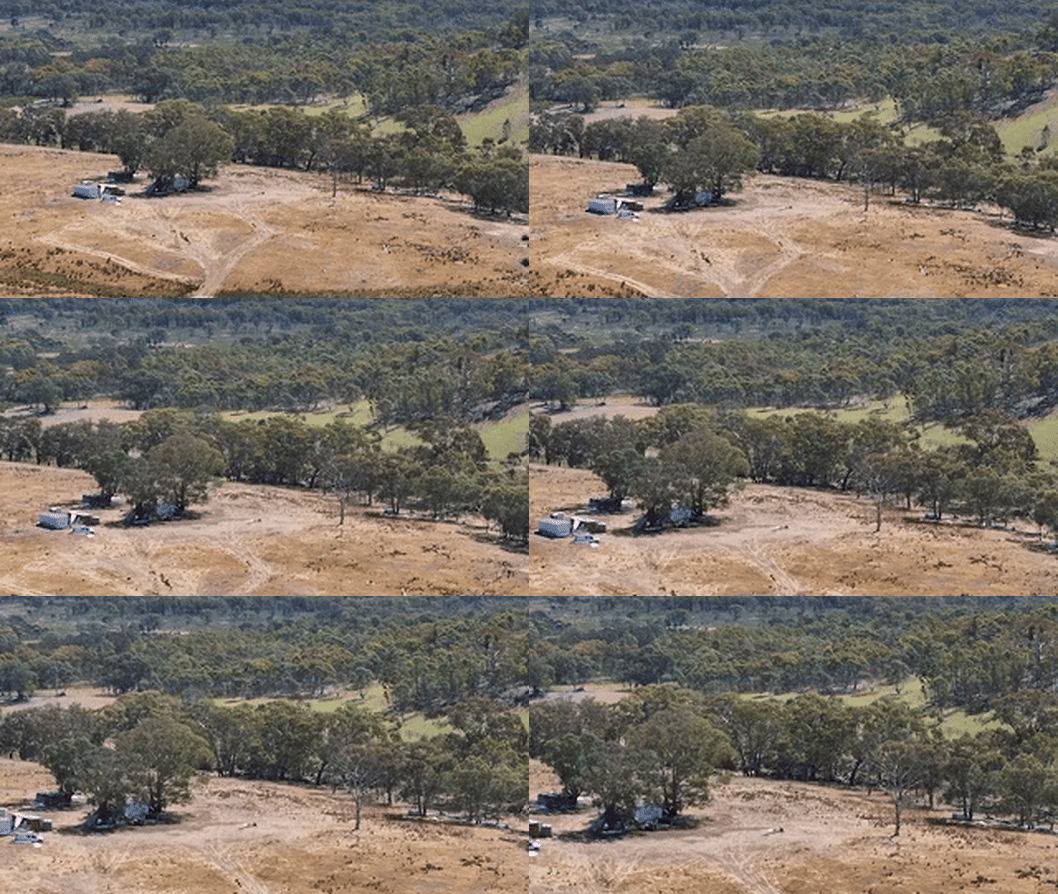
Using satellite images and photographs of the father and son released by the Local Court of NSW, this masthead has tracked the Akrams to the property, about an hour from Goulburn, revealing for the first time a major part of the pair’s alleged planning in the months before the Bondi Beach massacre. Exclusive images of the property reveal the Akrams were shooting near several structures – including a caravan, a small transportable building and a shipping container – which appear to be equipped for long-term stays. A rainwater tank and an outdoor toilet are located near the structures, the images show.
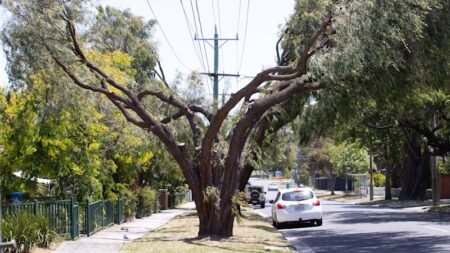
Images of the property, captured from above, show several features identified as featuring in the court-released photograph of Sajid Akram, including Tree A, recognisable by its distinctive limbs, the gate – now closed, traffic cones atop the fence posts, a patch of dirt, and a hill.
The gate seen in the image of Akram is used to access a small yard enclosing the caravan.
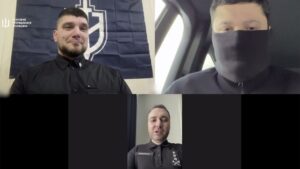
Several sources provided information used to verify the location where the court-released images were captured, on the condition of anonymity owing to safety concerns. The images of the father and son, among few seen of the pair before the attack on Jewish families at the Chanukah by the Sea event, were contained in a police facts sheet made public after media outlets advocated for its release. The images were taken from videos allegedly found on the father and son’s phones, which police seized in the hours after the attack. The videos show the pair “firing shotguns and moving in a tactical manner” during firearms training they allegedly did on the property, according to the facts sheet.
Police in the days after the December 14 massacre searched the property where the Akrams allegedly trained. They were expected to return this week to conduct a second search. It is unclear if anything linked to the Akrams was found at the property during the initial search. In October, a local farmer briefly crossed paths with the Akrams when they were visiting the property, weeks before they visited the Philippines. They were polite and said little.
The image of Naveed Akram, also released by the court, shows the 24-year-old firing a similar shotgun to the one used by his father.
Matching the trees on the ridge behind Naveed Akram with those captured in images of the property, this masthead has verified that the 24-year-old was standing in a similar location to his father when he was filmed firing his weapon.
Both Tree B and Tree C are identifiable in images compared with the court-released photograph of Naveed Akram by their distinctive foliage. Tree C is also identifiable by its relative position to Tree B.
The location where the Akrams allegedly trained was one of several lots sold by a developer more than a decade ago after a larger property was subdivided. Several landowners use a shared track on the property, which is accessed via a padlocked gate.
The Akrams told the owner of the plot they allegedly trained on that they were friends, rather than father and son, and they were given access to the sprawling block in October to shoot feral animals. There is no suggestion of wrongdoing by the landowner, who has co-operated with police.
The landowner did not know the Akrams by name when contacted by authorities in the days after the massacre, but identified the pair when shown a photograph by police as having used the property for shooting. For legal reasons, this masthead has chosen not to reveal the exact location of the property.
Several larger properties in the area owned by local farming families for generations have been subdivided and sold in the past few decades. In the years since, Sydney-based families have purchased properties in the area.
Locals say gunshots can constantly be heard on weekends and during holiday periods, when visitors flock to the area to hunt and camp. Shooting in the area is so heavy on some days that locals choose to stay indoors and off the roads for fear of being struck by a stray bullet.
Sajid Akram wielding a shotgun at Bondi Beach as he is tackled by Ahmed al Ahmed.Credit:

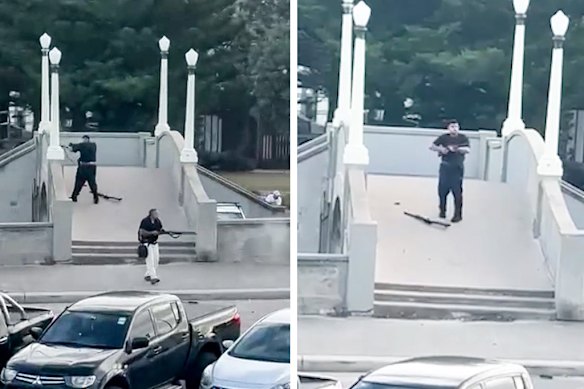
Sajid and Naveed Akram (in black trousers) at Bondi Beach on December 14.Credit:
Images captured during the Bondi massacre show the Akrams using several high-powered weapons, including what appears to be a similar shotgun to those seen in the court-released images.
Sajid Akram can be seen shooting a similar-looking shotgun before he is disarmed by hero bystander Ahmed al Ahmed.
According to the police facts sheet outlining the case against Naveed Akram, the father and son had amassed an arsenal of six firearms, including two single-barrel shotguns.
On Monday, Australian Federal Police commissioner Krissy Barrett said the Akrams allegedly acted alone and were not part of a larger terrorist cell.
As authorities continue to piece together the Akrams’ movements in the months and years before the massacre, families of the pair’s alleged victims are calling for a royal commission into the rise of antisemitism in Australia and failings that led to the mass killing.
Naveed Akram will return to court in April.
Start the day with a summary of the day’s most important and interesting stories, analysis and insights. Sign up for our Morning Edition newsletter.
Read the full article here