





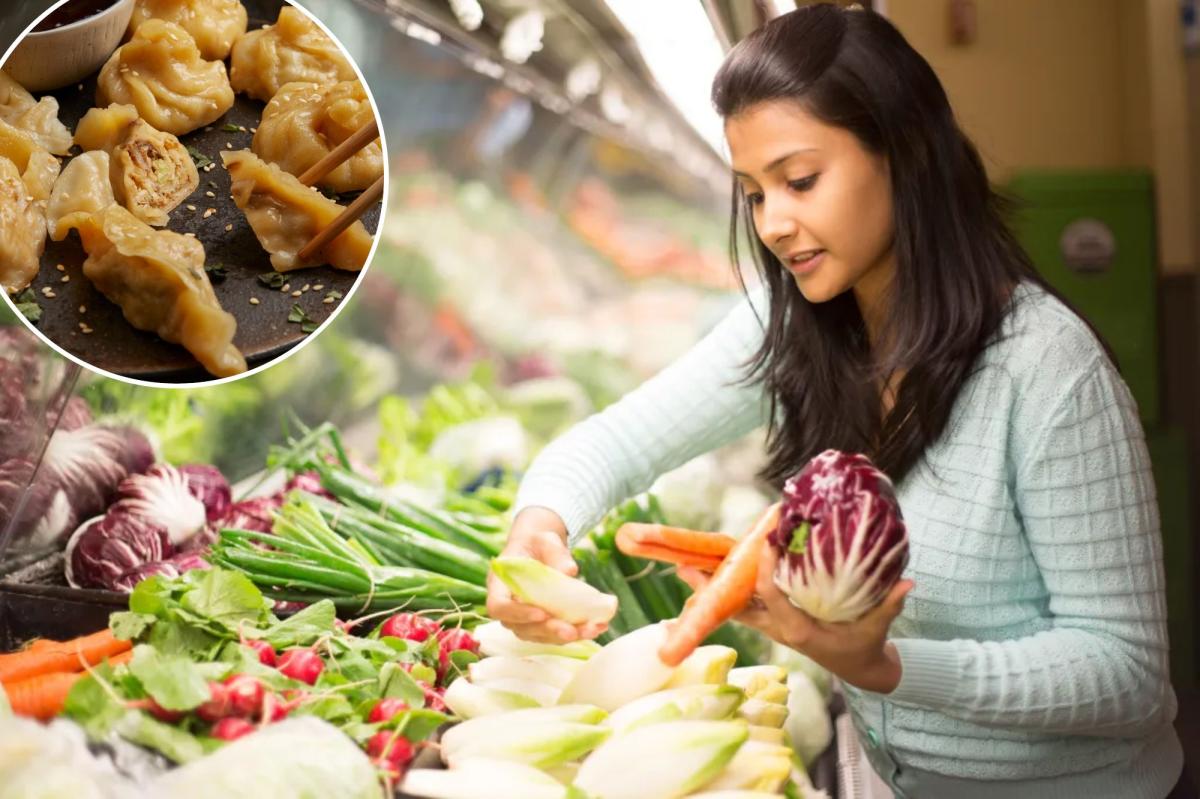
Cauliflower is so 2025.
A long-overlooked vegetable is poised to become next year’s breakout health food, with online searches already surging, according to the annual Pinterest Predicts report dropped this week.
An added bonus: The nutritional powerhouse is as easy on your wallet as it is good for you.
“In the year ahead, Boomers and Gen X will say goodbye to their cauliflower obsession and crown cabbage the new kitchen MVP,” the 2026 report forecasts.
And the numbers back it up. Searches for cabbage dumplings on the social media platform jumped 110% between September 2024 and August 2025 compared to the year prior.
Interest in golumpki soup — a Polish dish of simmered cabbage and ground beef — spiked 95%. Searches for cabbage Alfredo, fermented cabbage and sautéed bok choy, a type of Chinese cabbage, also rose.
In other words, Americans are developing a “cabbage crush” — and experts say they have good reason.
“It’s one of those foods that tastes better than it looks, and it has even more nutritional value than people expect,” Julia Zumpano, a registered dietitian, told the Cleveland Clinic. “Plus, it’s versatile, affordable and easy to find.”
The classic cruciferous veggie comes in a range of colors, shapes and sizes. It’s also a staple in kitchens around the world, appearing in everything from hearty stews and fermented favorites like kimchi and sauerkraut to crisp salads, sandwiches and stir-fries.
It’s easy to see why. Besides being cheap and long-lasting, cabbage is low-calorie and loaded with vitamins, antioxidants and fiber.
In fact, just one cup of raw green cabbage delivers 54% of your daily vitamin C — essential for collagen production, wound healing, immunity, and iron absorption — and 85% of your daily vitamin K, vital for blood clotting and strong bones.
It also contains a healthy dose of potassium, which helps keep blood pressure in check, and plant sterols that can reduce “bad” LDL cholesterol and lower heart-disease risk.
“Cabbage is packed with antioxidants that help fight inflammation, a big contributor to metabolic disease,” Tracy Colin, a registered dietician, told EatingWell.
Those antioxidants include flavonoids, anthocyanins and glucosinolates, which combat free radicals and prevent cellular damage.
In one small study, people who ate the most cruciferous vegetables, including cabbage, had far lower inflammation levels than those who ate the least.
Chronic inflammation isn’t just a metabolic problem. It’s linked to heart disease, rheumatoid arthritis, Alzheimer’s, depression and even certain cancers.
Cabbage’s plant sterols and fiber also boost digestive health, feeding the good bacteria in your gut that support immunity and produce vital nutrients.
“Cabbage can help you stay regular,” Zumpano said. “It can also help support safe and healthy weight loss.”
After all, at just 22 calories per cup, you can eat plenty of raw cabbage without packing on pounds.
Thinking of going all in on your “cabbage crush”? Treat it as a slow burn, not a shotgun wedding.
Cruciferous veggies like cabbage can cause gas, bloating and diarrhea, so experts recommend gradually ramping up your intake.
Cabbage can also interfere with some medications, including blood thinners, so it’s best to check with your doctor before adding large amounts to your diet.
Read the full article here