





I’ve tested a number of air quality monitors, but none have been as far-reaching as the Caeli monitor from uHoo, which debuted at CES 2026 with all-new features. (If you want to see the tech we can’t stop talking about, check out our Best of CES awards.)
Caeli is a highly ambitious monitor that aims to track nine different aspects of your indoor air, including dust, temperature, VOCs, carbon dioxide and humidity. As you can imagine, it’s larger than most and packed with sensors, plus Matter support for Apple, Google and Alexa.
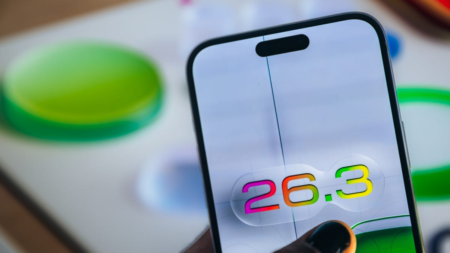
At CES, uHoo presented a new feature that I’m especially interested in. Caeli will now come with an influenza index, which combines all that sensor data into an analysis, which uHoo reports is based on decades of virology research. For you and me, it comes out as a 1 to 10 score on Caeli that shows the risk of catching the flu or any other virus spreading around.
Read more: Our Exclusive Data Reveals the Best Air Purifier for Preventing Sickness During Cold and Flu Season
Caeli tracks a lot, which is why indexes for viruses and mold can save time.
A score of 1 to 3 is good, showing a low risk of viruses spreading through the air. However, as humidity increases, temperatures rise, and particulate matter in the air increases, the flu index can also rise, with a score of 10 being the worst, indicating the highest likelihood of getting sick.
If the score starts getting close to 10, you can throw all your family members who are sick outside and lock the door to prevent infections. Or maybe you should turn on an air purifier and dehumidifier and have your sick loved ones mask up instead.
Caeli will also include a mold index that shows the danger of mold spores spreading, another valuable risk to watch in a home, especially if you live in a humid climate. Additionally, CO/CO2 monitors are beneficial for general health purposes, even when no one is experiencing symptoms, and particulate counts are also useful during allergy season.
The Caeli monitor is scheduled for release in February. You can preorder it now for $200 (an admittedly steep price for an air monitor), but the cost will increase later. Or you can wait until CNET gets its hands on a model to test all those sensors and see how well they perform.
Don’t miss any of our unbiased tech content and lab-based reviews. Add CNET as a preferred Google source.
Read the full article here