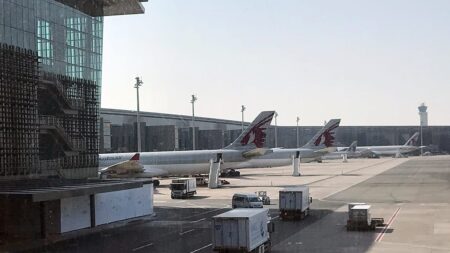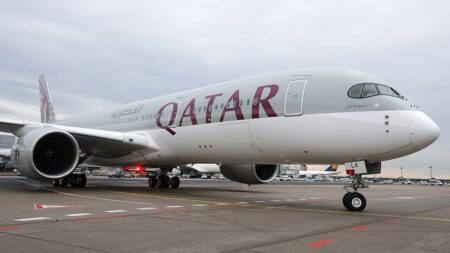






The ongoing war in the Middle East is already beginning to alter the map of international travel. Escalating tensions have forced the temporary closure of two of the region’s main air hubs, leading to cancellations, route diversions and growing uncertainty among airlines and travellers.
But the impact could go beyond aviation. As tensions rise in the region, some tourists are beginning to reconsider their travel plans, which could lead to changes in international tourism flows.
A report by tourism consultancy Mabrian already detects a significant deterioration in perceptions of security in several Middle Eastern destinations, along with the first signs of a shift in demand.
The analysis, based on data on traveller sentiment and demand behaviour in key outbound markets (US, UK, Germany, France and Italy), points to a drop in confidence in several Gulf destinations, which could open up opportunities for other tourism markets.
According to the study, this trend has intensified in the wake of heightened tensions between the US and Iran. Destinations such as Bahrain, Oman and Qatar recorded some of the steepest declines in the Security Perception Index (SPI), which measures how travellers rate the stability of a destination. In Bahrain, the indicator plummeted 81 points to just 9.6 out of 100, while Oman fell 56.7 points (to 24.8) and Qatar dropped 54.9 points (to 18.4).
Other Gulf destinations have shown greater resilience: The United Arab Emirates dropped 48.3 points to 51.9, while Saudi Arabia fell 13.6 points to 85.3. The report warns that even moderate declines may affect international demand, as security remains one of the most important determinants of destination choice.
Spain among the possible beneficiaries
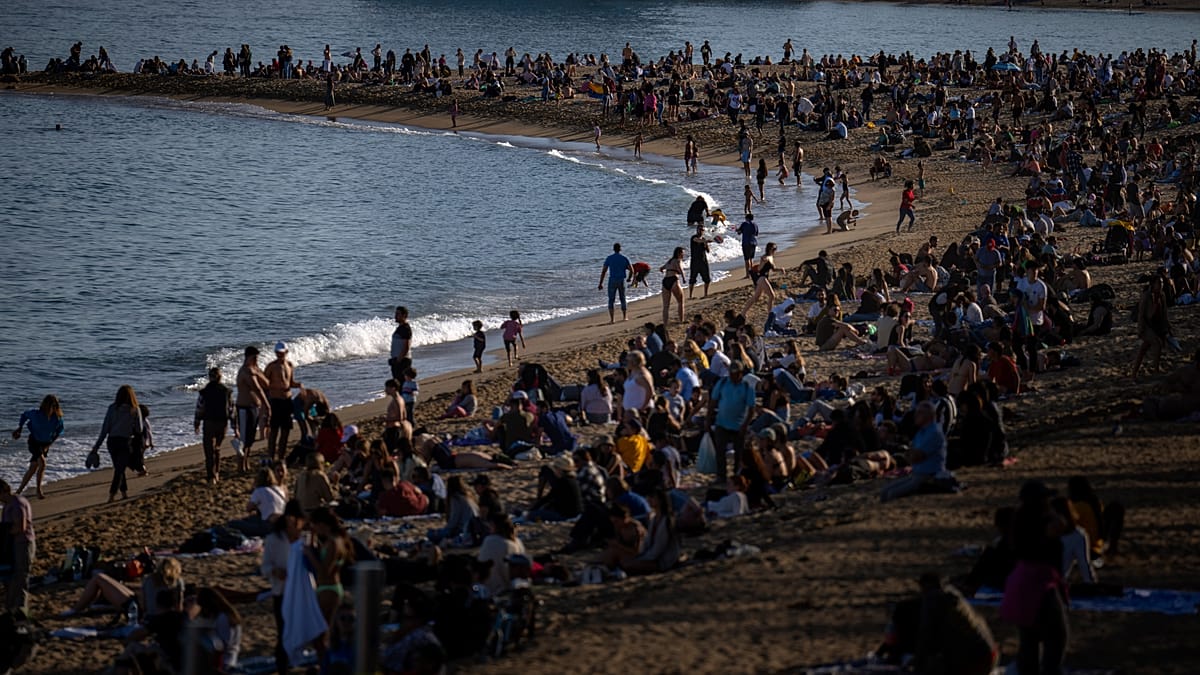
In this context, Spain could become one of the destinations favoured by a possible change in international tourist flows. According to Mabrian, there are already initial signs that part of the demand that normally goes to the Middle East could be redirected towards European destinations that are perceived as safer and more consolidated, such as Spain, Italy or Greece.
Some tour operators are already anticipating this possible shift. According to the Spanish newspaper El País, agencies and companies in the sector are already registering an increase in requests for cancellations in destinations close to the conflict, such as Egypt, Jordan and Dubai, and anticipate that part of this demand could be redirected towards European destinations.
The study points out that interest in Spain remains strong in several of the issuing markets analysed. In particular, the country could capture part of the demand from the United States and Western Europe, two regions that are highly sensitive to changes in the perception of security.
Moreover, Spain has an additional competitive advantage: Its extensive air connectivity and a diversified tourism offer that includes urban, cultural and sun and beach destinations. This combination makes it easier to absorb part of the possible diversion of travellers who reconsider their plans for the Middle East.
It would not be the first time that a geopolitical crisis has altered tourism flows in the Mediterranean. After the Arab Spring of 2011, instability in North African destinations such as Egypt and Tunisia caused a drop in visitors and diverted part of European demand to northern Mediterranean countries. Spain was one of the main beneficiaries of this change in tourist flows, with millions of travellers redirecting their holidays to the country.
Still, Mabrian warns that it is too early to confirm a structural change in global demand. For now, the data mainly reflect changes in perceptions and travel intentions, which could translate into clearer changes in bookings if the conflict drags on.
Read the full article here