






Aaron Bunch
A controversial ban that has left West Australian fish eaters without their favourite fillets was politically motivated, unreasonable and not based on science, a court has been told.
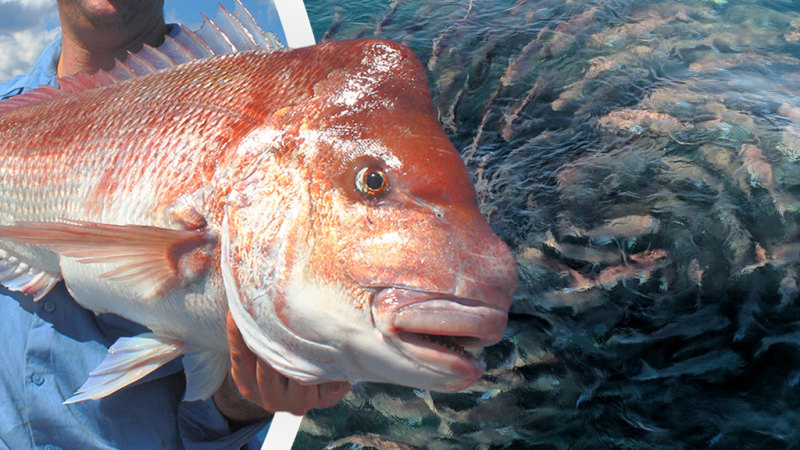
Catch limits for harvesting prized demersal species, including pink snapper, red emperor and dhufish, have been slashed along most of Western Australia’s vast coastline with a permanent commercial ban over a large stretch.
Trawling companies are challenging in the Supreme Court restrictions that have prohibited their commercial operations off the Pilbara since January 1.
They argue WA Fisheries Minister Jackie Jarvis’ decision was not based on a recommendation from the department and was made without consultation outside the existing legislation to manage the fishery.
“The order made by the minister was unreasonable and a disproportionate use of power,” the companies’ lawyer Eric Heenan said on Wednesday during his opening remarks.
“The order cannot stand.
“The evidence will show the minister acted without any scientific assessment of the Pilbara fishery.”
The court was told Jarvis had acted hastily while under pressure from conservationists due to the demersal species stock situation in a large recreational fishery adjacent to Perth.
Heenan argued the minister was “obsessed” with dolphin bio-catch from trawling and the ban was “influenced by political considerations”.
“It makes no economic sense,” he told the court.
“They don’t seem to know what they are doing.
“There was next to no consultation.”
Demersal scalefish, including red emperor and goldband snapper, are targeted in the Pilbara.
The fishery had supplied about 43 per cent of demersal fish in WA.
“It was a major supplier of fish to the state and everyone else,” Heenan said.
Some areas were already closed to commercial fishing under an existing fishing management plan before the ban was rolled out.
The measures have attracted a wave of criticism from frustrated businesses, while retailers are reporting an immediate drop in the supply of fresh fish from local waters.
The ban is designed to address WA’s depleted demersal fish stocks.
When it was announced in December, the government said the latest scientific assessment of commercial fish stocks showed several species, in particular dhufish and pink snapper, were under severe threat and urgent action was needed.
The legal action against the government’s reforms was launched by Sea Harvest Pty Ltd, an Australian subsidiary of South African global fishing and food company Sea Harvest Group, alongside WA seafood company, Seafresh Holdings Pty Ltd.
The trial continues.
AAP
From our partners
Read the full article here