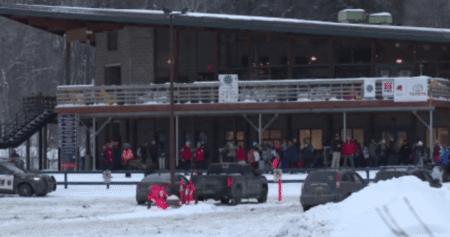





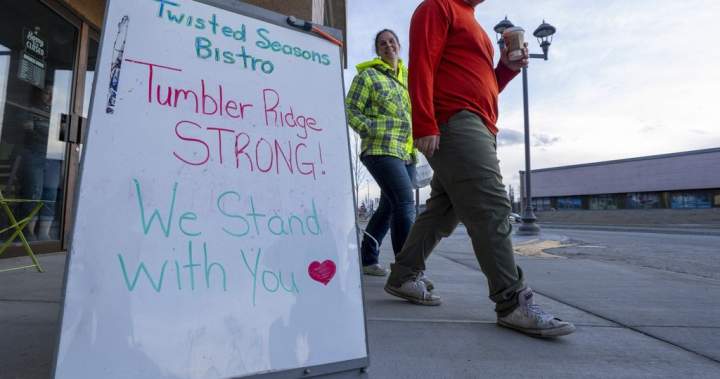
Police have said the teenage shooter who killed eight people and herself in Tumbler Ridge, B.C., had previously been apprehended under the Mental Health Act.
In a Wednesday press conference, RCMP Deputy Commissioner Dwayne McDonald said police had previously visited the home where Jesse Van Rootselaar, 18, lived, and that she had been apprehended under the act on multiple occasions.
Here’s what you need to know about the act.
THE FRAMEWORK
Each province has a mental health act, which is designed to outline a legal framework of what should happen when a person with a mental illness needs treatment and protection for themselves or others.
Jonathan Morris, chief executive officer of the Canadian Mental Health Association’s B.C. division, says the law permits police to apprehend and transport a person to a hospital or mental health facility for an assessment.
He said they can then be involuntarily admitted for treatment if a doctor deems it necessary, which means the patient cannot leave on their own terms.
There are criteria for involuntary admission: if a mental illness “seriously impairs someone’s ability to function”; if there’s a risk of deterioration or harm; if they require some form of psychiatric treatment; and if they are unwilling to be treated, Morris said.

Get daily National news
Get the day’s top news, political, economic, and current affairs headlines, delivered to your inbox once a day.
A doctor or nurse must complete a certificate, which grants them the right to hold that person for up to 48 hours, to assess the patient and determine if it’s safe for them to be discharged or not.
Morris, who is not privy to information about the suspect in Tumbler Ridge and was speaking generally about the act, said any patient should be comprehensively assessed and a plan should be established before they are discharged.
“I don’t know what happened in this case, but sometimes there can be, more often than not, gaps along that journey, right? People might not leave with a full picture of a diagnosis, for example,” he said.
The Canadian Press requested additional information from the province’s Health Ministry on the suspect’s mental health treatment.
The ministry said the RCMP will make decisions about what information will be released, and if key issues aren’t answered through the investigation, the government will consider measures to provide further answers.
HOW LONG CAN A PATIENT BE HELD?
If a doctor determines a patient needs further treatment after 48 hours, they will complete a second certificate, which allows them to detain the person for another month.
The health provider can keep renewing that certificate if they think the patient needs further treatment.
“The certificates are the legal documentation that are supporting the decision to suspend, take away someone’s ability to freely leave the hospital, and also be subject to involuntary treatment,” Morris said.
“Under our law there’s no limit on total duration. The detention can be indefinite, but it needs to be supported by those renewals.”
HOW DOES THIS APPLY TO TUMBLER RIDGE SHOOTING?
McDonald said Van Rootselaar had previously been apprehended under the provincial Mental Health Act on different occasions for assessment and followup. He said she was hospitalized “in some circumstances.”
He also said police had seized weapons from the home, which were later returned, and that Van Rootselaar had dropped out of school about four years ago.
When patients are discharged without a robust treatment plan, Morris said that can lead to re-admission.
“We also have seen, again, across the province, and I think this happens not just in B.C., people who repeatedly meet the criteria for an involuntary admission and are kind of repeatedly admitted and then there’s a discharge and then admitted again. That’s definitely something to pay attention to.”
He said the overlap between firearm and mental health laws will need to be thoroughly examined in the wake of this tragedy.
Read the full article here