



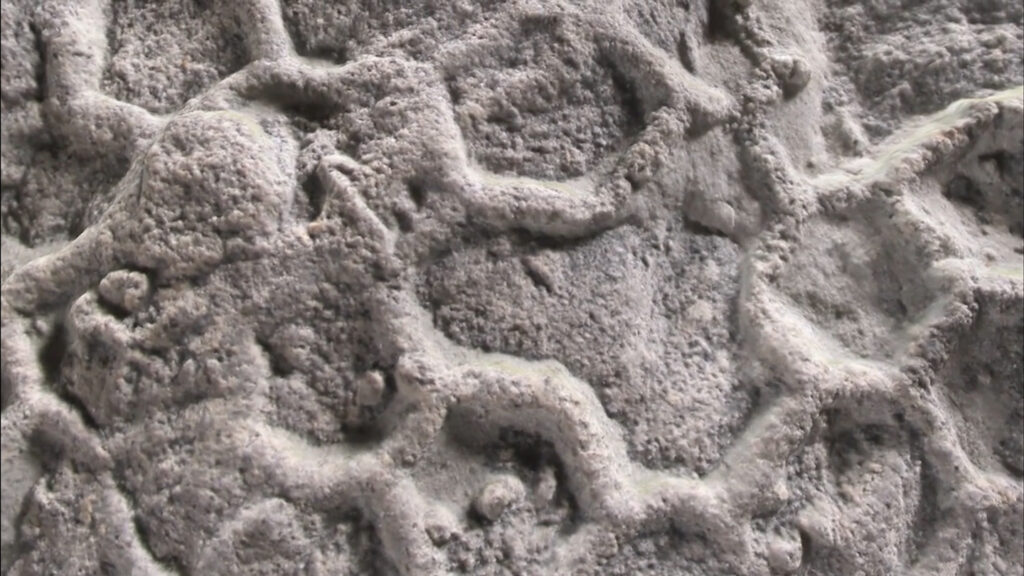
A honeycomb-shaped pattern in marine sediments has befuddled scientists for more than 150 years, but a new study points to a potential culprit.
The formations, known as Paleodictyon , are probably burrows created by arthropods, possibly a crustacean subgroup that includes the roly-poly, researchers report August 12 in Earth-Science Reviews . The work challenges previous hypotheses about Paleodictyon , particularly that they were created by wormlike creatures.
“Our study addresses one of paleontology’s most enduring enigmas,” says Andrea Baucon, a paleontologist at the University of Cagliari in Sardinia, Italy.
We summarize the week’s scientific…
Read the full article at SCIENCENEWS.ORG