





It’s snow joke: the ground just popped.
Freezing cold temperatures can bring a handful of dangers, like hypothermia and exploding trees — but what happens when there’s an explosion-like noise heard from the ground, followed by a light tremor that feels like a mini earthquake?
Areas stretching from northern Tennessee to central Kentucky reported loud booms and brief tremors late Monday night, frightening residents in the aftermath of a deadly winter storm that swept across the US, WAVE reported.
The culprit may be the cold-weather phenomenon known as frost quakes.
What is a frost quake?
Frost quakes, also known as cryoseisms, happen when frozen ground suddenly cracks during rapid temperature drops, sending loud booms and vibrations through the earth, according to AccuWeather.
During sudden cold snaps, moist soil or shallow groundwater can quickly freeze and expand, putting pressure on the ground until it cracks.
Frost quakes typically occur at night after a brief warm-up, when water seeps underground and then freezes solid as temperatures sharply drop.
That expansion creates intense underground pressure until the frozen ground fractures, unleashing energy in a loud boom or popping sound that can be felt as a brief tremor.
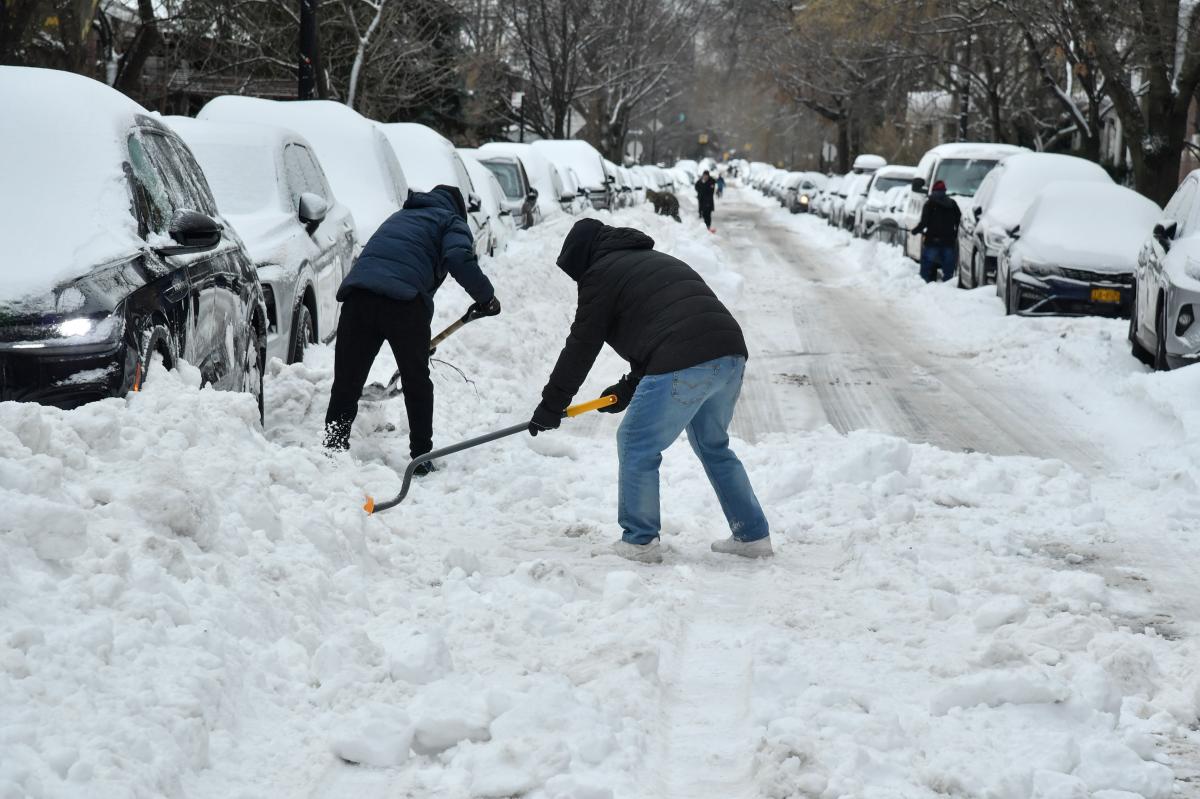
Ironically, deep snow can reduce the chances of frost quakes by trapping heat and protecting the ground from sudden freezes.
As little as 6 inches of snow can insulate the ground and shield it from the rapid freezing that causes frost quakes.
Are frost quakes dangerous?
Unlike earthquakes, frost quakes don’t involve shifting tectonic plates and are generally harmless.
The phenomenon can rattle windows, shake walls and even crack driveways, leaving homeowners startled by what is usually a harmless winter event, according to a 2023 academic study conducted in Finland.
Frost quakes can feel dramatic, but they are far less destructive than earthquakes and are best thought of as winter’s way of cracking under pressure.
Even though frost quakes are much smaller than earthquakes, the vibrations they create can sometimes be strong enough to register on a seismograph.
However, while frost quakes may produce enough pressure to cause minor infrastructure damage, their true significance remains uncertain due to limited reporting.
Where are frost quakes likely to occur?
Frost quakes are most common in cold climates with sharp temperature swings and in areas with porous, water-holding soil, especially clay-rich ground.
Alaska, Canada, the Midwest and northeastern United States, and Iceland are among the regions where frost quakes are most often reported due to recurring extreme winter conditions.
However, since frost quakes are virtually impossible to predict beforehand, encountering one is mostly a matter of chance.
One clear indicator of a frost quake is ground shaking that isn’t followed by any recorded earthquake activity.
Read the full article here