




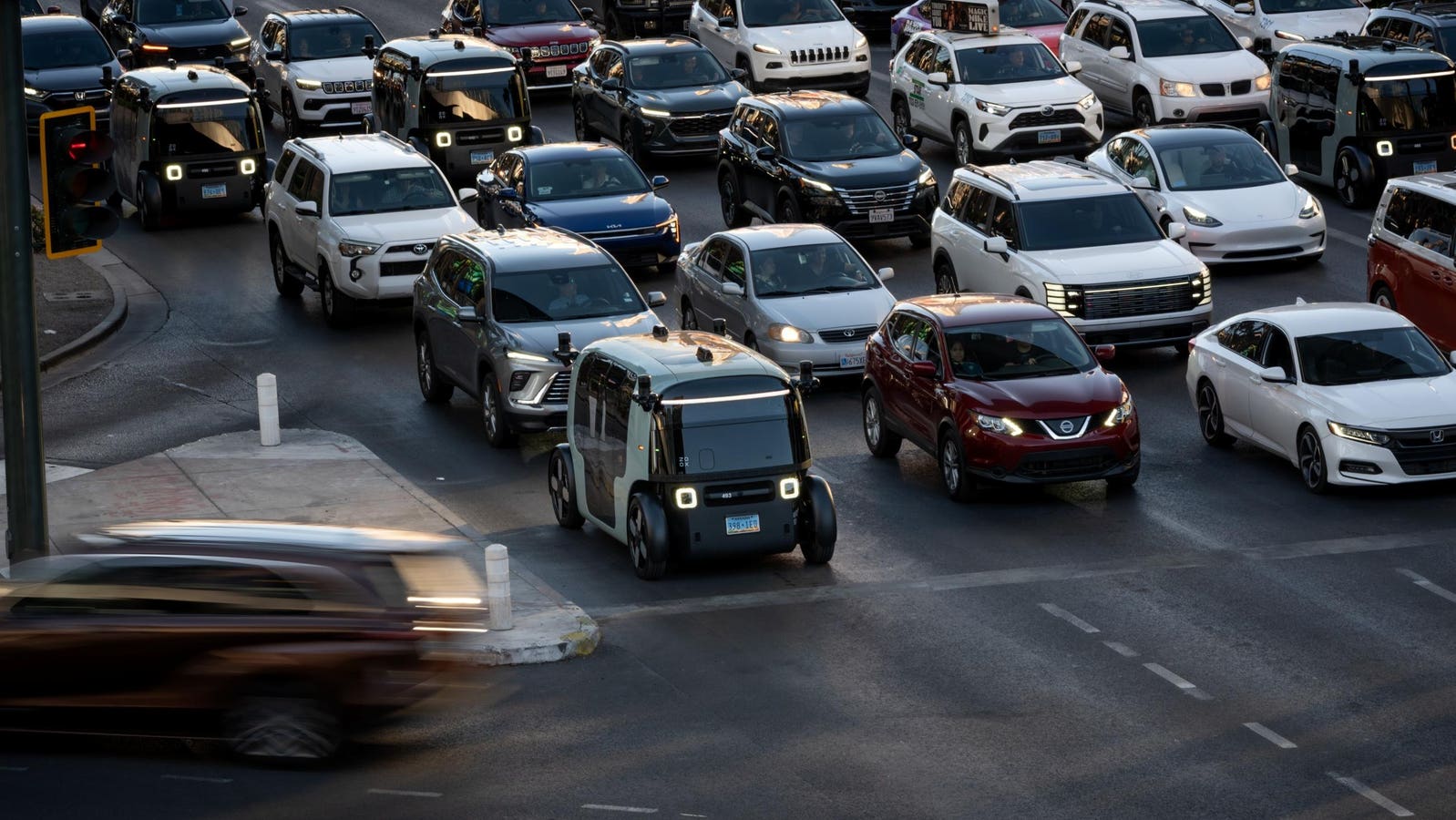
Zoox, Amazon’s self-driving vehicle unit, is expanding its fleet of toaster-shaped electric robotaxis in Las Vegas and San Francisco to 100 vehicles, its service areas and testing in new cities as the Waymo rival awaits regulatory approval it needs to start generating revenue.
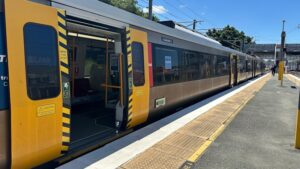
Unlike Alphabet’s Waymo and a host of rivals in the automated driving space, which all use modified versions of existing vehicles, Zoox has a purpose-built model with carriage-style seating, no standard driving controls, identical front and rear ends, as well as sliding doors reminiscent of transit trains. It has federal permission to operate on public roads and give rides for free in Las Vegas and San Francisco, but still needs a “Part 555” exemption from the National Highway Traffic Safety Administration. That allows the company to operate vehicles that don’t comply with federally mandated features, including side mirrors and steering wheels.
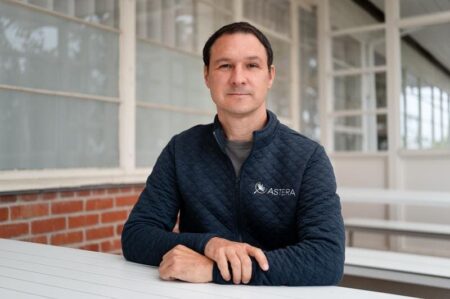
“We are optimistic that we’ll be getting that in the coming months, which would allow us to start charging in Las Vegas,” Jesse Levinson, the company’s cofounder and CTO, told Forbes. In preparation for that, “we’ll need to start producing our full production of vehicles to expand our fleet beyond the 100-vehicle size. This will be happening later this year.”
For the latest in cleantech and sustainability news, sign up here for our Current Climate newsletter.
The gamble by Zoox is that it can catch up to Waymo by using a robotaxi that provides a high-quality ride, in terms of seating and ease of entry and exit. At the same time, it had to invest heavily in engineering the first-of-its-kind model over the past decade and setting up a company-run factory in Hayward, California, to put them together. While Waymo installs the computing system and sensors used by its automated fleet at a Phoenix-area factory, Zoox assembles the entire vehicle. Levinson and other company officials won’t share details on how much each one costs, but have said they expect to recoup the capital costs by keeping them on the road, generating ride revenue for hundreds of thousands of miles over many years.
Along with the enlarged fleets in Las Vegas and San Francisco and expanded service areas in both cities, Zoox is also beginning testing in Austin and Miami, Levinson said. Earlier this month, the company said its robotaxis would be bookable with the Uber app in Las Vegas this summer, as well as in Los Angeles next year.
Federal approval from NHTSA will allow Zoox to give paid rides in Nevada and states such as Texas, but it’s also awaiting a green light from California’s Department of Motor Vehicles and Public Utilities Commission to launch paid rides in San Francisco and Los Angeles. Currently, Waymo is the only company permitted to do that.
Elon Musk has claimed Tesla will soon begin selling the automated Cybercab model, also with no steering wheel or standard controls, though it lacks approval for these features from either NHTSA or California regulators.
Amazon paid about $1.3 billion for Zoox in 2020, but hasn’t disclosed how much additional funding it’s provided since then. The tech giant is well aware of the regulatory issues Zoox faces and remains supportive, said Levinson.
“This has always been part of our roadmap,” he said. “Amazon wouldn’t be spending billions of dollars on Zoox if this weren’t the plan. Otherwise, it would just be an expensive science project.”
Read the full article here