




Controversial higher education funding changes which risk making it harder for students to get a spot at universities in Sydney and Melbourne have passed federal parliament.
The government says its overhaul of the university system will provide places for an extra 230,000 commencing students in the coming decade, but critics say the government has failed to bring down the cost of $50,000 arts degrees and deprioritised student choice.
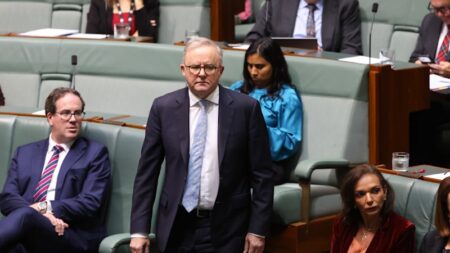
The reforms, which passed the House of Representatives on Thursday, attempt to address the situation where prestigious capital city universities have grown their student numbers at the expense of smaller and regional institutions.
As revealed by this masthead last month, a “soft launch” of the funding model this year saw ATAR cut-offs across the Sydney basin skyrocket because of a smaller allocation of places.
As a result, the University of Sydney disbanded its long-running guaranteed entry scheme, UNSW said it declined 1000 prospective students, and course cut-offs were inflated while the University of Technology Sydney and Macquarie University also made fewer offers this year.
Under the reforms, every institution is to be given a “core student load” indicating how many students can enrol.
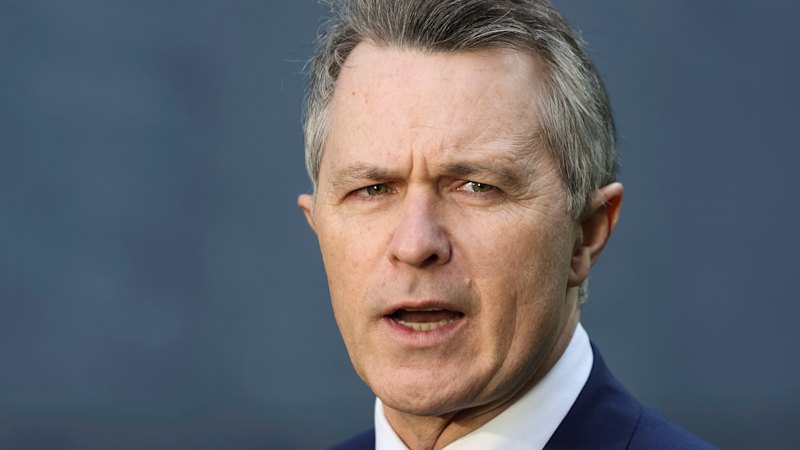
“It will end the Hunger Games that exist at the moment, where, in the desperate competition for students, some universities enrol students they don’t get Commonwealth funding for,” Education Minister Jason Clare told parliament.
The reforms will also empower the Australian Tertiary Education Commission, established this year, to decide an institution’s “additional growth allocation” for disadvantaged or regional students.
The second tranche of the bill, which the government has likened to Gonski-style funding to universities, will see payments of up to $1535 for each regional or poor student enrolled.
Greens senator Mehreen Faruqi said the government’s reforms failed to address the sheer cost of degrees which have grown to $50,000 under the former Coalition government’s Job Ready Graduates scheme.
“Labor likes to talk a lot about inequities in the higher education system, but for four years now the Albanese government has refused to scrap the JRG scheme, one of the most inequitable and egregious policies,” she said.
Opposition education spokesman Julian Leeser said the funding reform was deliberately designed to be anticompetitive and put the interests of students second to universities.
“The government is opting for a centrally planned model, and deciding where places will go, because it thinks it knows best,” he said.
“This means a student from the bush who wants to study in Sydney will probably get a place. But if a student from Sydney wants to study in Sydney, they might have to go to the bush.”
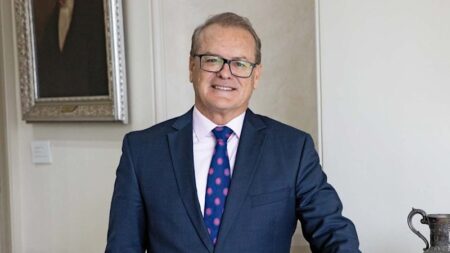
Universities Australia chief executive Luke Sheehy said the reform was “good for students, good for communities and good for the economy”.
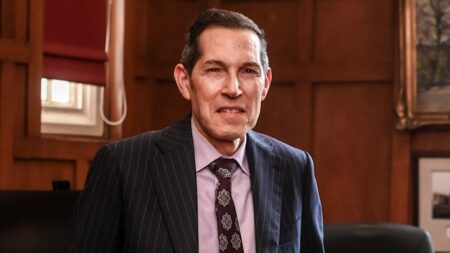
George Williams, both the vice chancellor of Western Sydney University and chair of the 2050 Alliance, a lobby group for non-Group of Eight universities, said the changes would benefit the system and students.
“To maximise student choice and expand opportunity in every community, we need sustainable universities in our inner cities, suburbs and regions.”
Start the day with a summary of the day’s most important and interesting stories, analysis and insights. Sign up for our Morning Edition newsletter.
From our partners
Read the full article here