



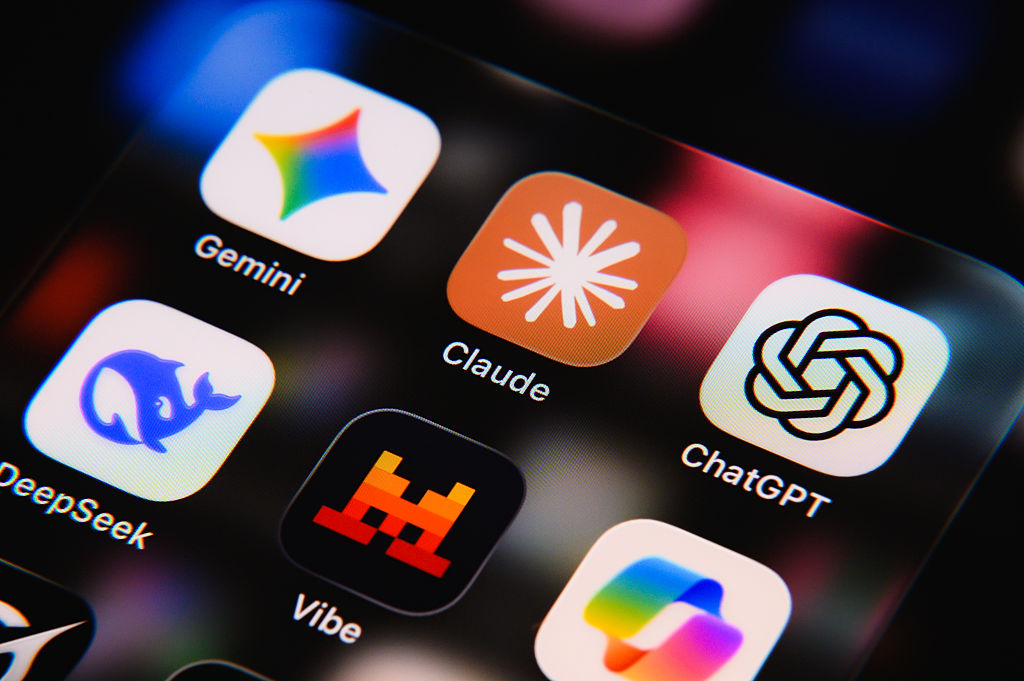
Google told Google Home customers and developers on Wednesday that it would add smart home support for other AI agents beyond its own Gemini AI. The company’s announcement says that “any agent that supports calling [Model Context Protocol technology] tools can now interact with all of the devices and event history in the Google Home ecosystem.”
The announcement specifically names Anthropic’s Claude, the open-source AI agents OpenClaw and Hermes and the Google Antigravity coding platform as options that will soon work with Google Home.
Google previously released a version of its AI, called Gemini for Home, to act as a voice assistant and controller for all the smart devices that could connect to the Google Home app, including smart lights, smart heaters, home security cameras and smart thermostats.
Now, using Model Context Protocol technology that previously helped AI users add agents to Google Workspace. Google will begin rolling out support for other AIs in Google Home. This means you could use the voice mode in your Claude AI agent to control your thermostat, for example, or set up other automations and tap into data that Gemini for Home may not provide on its own.
Google says AIs will be able to perform more complex Google Home tasks, such as compiling security camera text summaries of what the cameras have seen, as well as use personalized dashboards for home control instead of the Google Home interface.
As of Wednesday, this ability has begun rolling out, but only to Google Home Premium Advanced users in the US, which means you’ll need a $20 subscription to access these capabilities. It’s early access, which means it could be buggy or have limitations. Google is encouraging users to report feedback to its smart home developers’ help channel.
A representative from Google didn’t immediately respond to a request for comment.
Best Google Smart Home Devices in 2026: Gemini and Home App Support
I’m interested in seeing whether Claude and the other agents will be more accurate and useful than Gemini for Home, which has its share of problems. I’ve found that Gemini for Home doesn’t always understand complex commands as intended, or fails to operate devices that are connected and ready. So there’s room for improvement, and opening the platform up to other AI agents could make that happen.
The versatility of AIs like OpenClaw could also allow users to set more advanced automations, like tying thermostat actions to very specific local weather reports, or – well, let’s just say I’m very curious what people will come up with.
However, I’m dubious of the benefits of creating your own customized dashboard and control center using AIs like Claude. I’ve seen and played with smart home dashboards like these before and haven’t been impressed. They’re still a bit clunky, get things wrong, don’t always do what they say and are difficult to troubleshoot thanks to the vibe coding involved. Google pays people lots of money to design a user-friendly interface with reliable settings and commands, which still tends to be the best option for the average user who doesn’t have very unique home interactions.
Google Home isn’t the first, but it is the biggest
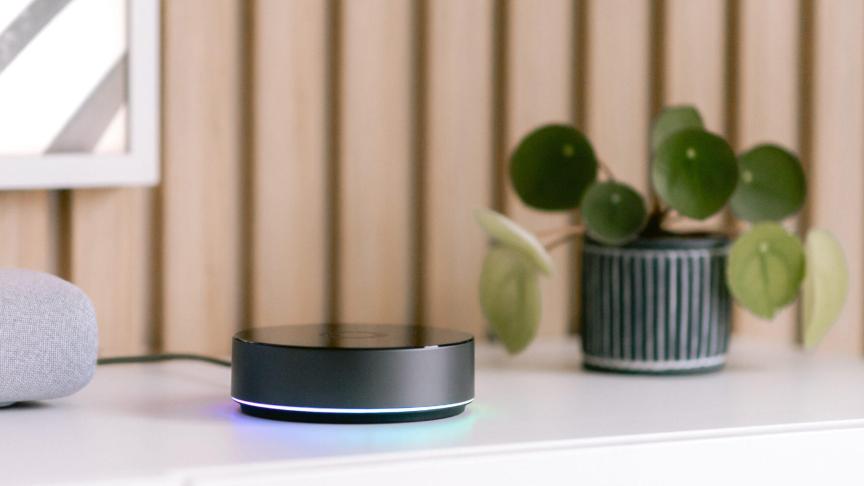
Google Home isn’t the only platform offering this AI support, although it’s the first of the big three — Apple Home, Amazon Alexa and Google Home — to offer anything like this.
For the past few years, the open-source platform Home Assistant has served as the premier gateway for users integrating advanced AI like OpenClaw and Claude into their living spaces. Backed by an extensive library of setup guides, the platform caters directly to privacy-minded and tech-savvy homeowners who prefer localized control over cloud-dependent alternatives.
While software forms the backbone of these setups, hardware ecosystems have quickly evolved to bridge the gap. Universal hubs like those from Homey streamline the integration process, offering plug-and-play compatibility for disparate devices. Device manufacturers like SwitchBot are actively building into this ecosystem by designing proprietary hubs that enable their smart hardware to communicate natively with OpenClaw.
But if you want to use Google Home and its existing smart device support and automations, this is the first time you can add an extra layer of control with a third-party AI.
Together, these shifting software and hardware landscapes reflect a broader consumer push toward highly customizable, AI-driven home automation.
Third-party AI in homes invites risks, too
I’d advise caution when integrating an AI such as Claude with your home system. Google’s MCP support includes safeguards that Google can implement when allowing AI systems to operate within its ecosystem. But expanding that access also introduces new variables, and it’s possible that new vulnerabilities could emerge as well.
One concern is prompt injection, sometimes referred to as smart home promptware. These attacks can hide malicious AI instructions in seemingly innocuous emails or calendar events, potentially allowing an attack to control home devices without the user’s knowledge. Google encountered similar issues in early versions of Gemini, though the vulnerabilities were swiftly patched. Adding additional AI systems into the mix could create more opportunities for vulnerabilities of this kind to emerge.

See full bio
Read the full article here