



Data centers have become a high-stakes battleground. Amid booming demand for AI infrastructure, residents affected by water shortages, electric bill spikes and environmental dangers have increasingly clashed with developers. Community blowback, including among local and federal officials, has led to project delays and, in some cases, cancellations.
Now, an interactive online hub launched by environmental activist Erin Brockovich could give regular folks a louder voice in the data center conversation. Brockovich became well known for fighting Pacific Gas & Electric over water contamination in Hinkley, California, with a Hollywood movie from 2000 about her activism starring Julia Roberts.
At the center of the Brockovich AI Data Center Reporting website is an interactive, crowdsourced map of AI data centers, including those that already exist, as well as those proposed or currently under construction: 3,674 reported locations in total. Anyone can submit a report on a data center issue through the online form. Brockovich personally vets all submitted reports, removing duplicates and excluding submissions without ZIP codes from the map.
Enlarge Image
A crowdsourced, interactive map on the website Brockovich AI Data Center Reporting currently includes 3,674 community-reported data center locations across the country. That includes data centers that are built, those under construction and proposed projects.
“Erin is really interested in the map being self-reported so that everyone who sends in their story can be seen and heard,” said Suzanne Boothby, an author who worked with Brockovich on her most recent book and who is executive editor of her Substack, The Brockovich Report.
According to Pew Research, there are at least 3,000 working data centers in the US, and as many as 1,500 more in the works. An FAQ on the site said the map isn’t intended to include every data center in the country but rather focus on locations where community members are actively voicing concerns.
Boothby told CNET via email that one of the most difficult parts for anyone “facing environmental threats in their backyard is to feel like no one is listening.”
Data centers have a transparency problem
According to a May 27 post titled If Data Centers Are So Great, Why Are They Being Built in Secret?, Brockovich asked people in late April to send their concerns and information about data centers in their areas. She received “a flood” of responses, and over the next month, the website’s map was populated with 2,716 pins from 3,862 reports.
The environmental activist Erin Brockovich has written about water contamination in her book Superman’s Not Coming. She is now taking on data centers.
One theme kept recurring.
“The single most common concern — more than noise, more than water usage, more than rising utility bills — is the one word that keeps appearing in submission after submission: transparency,” Brockovich wrote.
Secrecy about data center projects, she said, leaves residents with little say in developments that could have significant impacts on where they live and work, including noise, water and electricity usage and potential health effects. The post drew comments from more than 200 readers, with one saying: “Thank you for taking on the powerful!!!!” Another comment noted that AI is consuming resources and contributing to job losses and economic disruption, saying, “Doesn’t sound like a great ‘deal’ to me.”
The rapid expansion of data centers across the country to accommodate AI compute needs has become a focal point of opposition against Big Tech, with some giants such as SpaceX discussing plans to build them in space.
On June 1, Oracle and OpenAI broke ground on a $16 billion AI data center campus in Saline Township, Michigan, that has drawn community protests. Pushback on new data center proposals has led to political wrangling over whether states can restrict them.
Close to a dozen states are considering construction moratoriums on data centers. In Maine, lawmakers passed the first statewide ban on facilities drawing more than 20 megawatts of electricity, only to be later vetoed by Governor Janet Mills.
A recent Gallup poll found that a majority of Americans oppose data centers.
Responding to a national issue
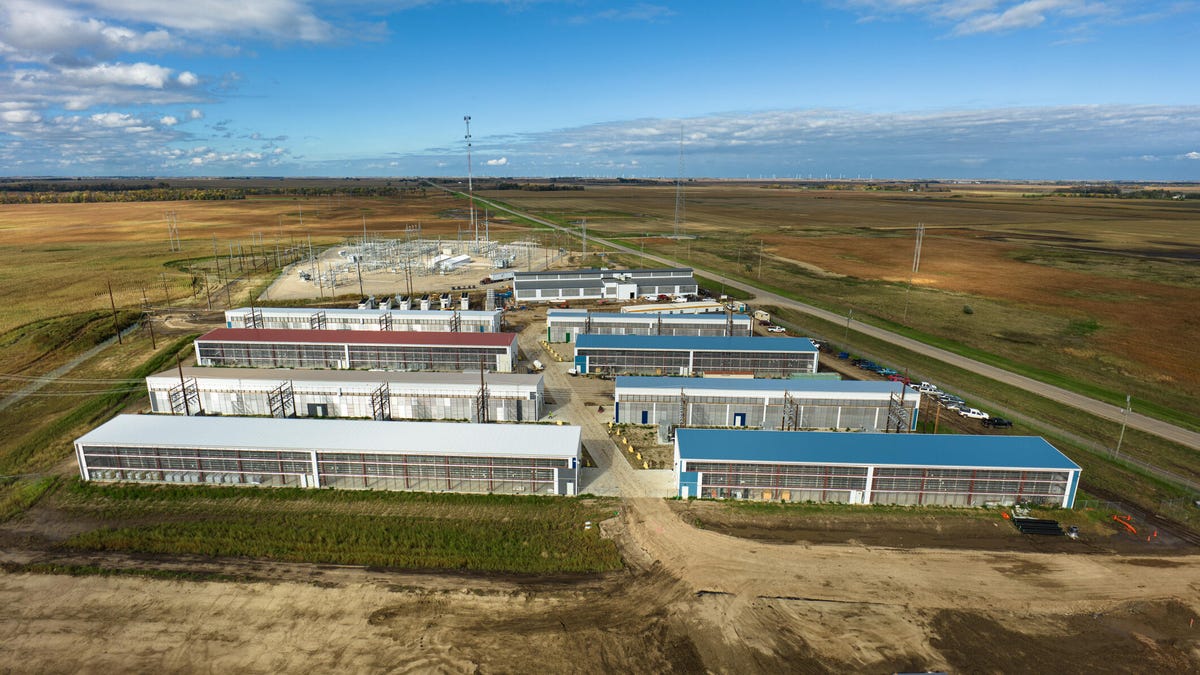
Brockovich’s hub centralizes news stories and videos on specific sites and projects, including several photos of data centers under construction. One image shows a cleared farmland site in Bowling Green, Ohio, making way for a complex. The site also includes key concerns about AI data centers and how communities are responding, with a list of areas where moratoriums have been passed or where voters have taken action.
Boothby said the information gives people a place to be heard, particularly those who’ve been frustrated by the bureaucracy of dealing with federal agencies such as the Environmental Protection Agency or the Department of Natural Resources.
“This map offers them a voice and hopefully launches a larger conversation so that we can all see that this issue isn’t happening in one town here or there. It’s a national issue,” Boothby said.
Read the full article here