





A paedophile has been allowed to keep the proceeds from selling his home in country NSW, after a judge denied a police claim he had “fortified” it with security cameras to carry out his crimes.
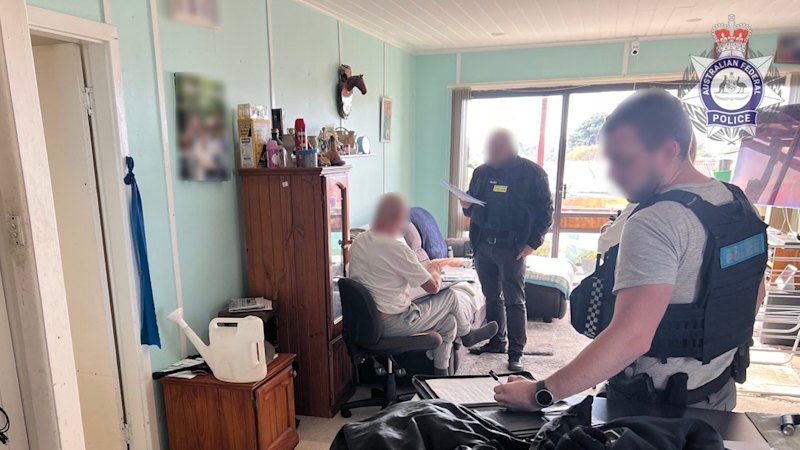
John Benedict Brooks, now aged in his early 70s, was arrested in 2023 after the Australian Federal Police raided his home in Cooma, in the Snowy Mountains.
Police said they found 212 images of child sexual abuse on Brooks’ devices in the house and evidence of sexualised conversations with other abusers.
The children in the images were aged between infancy and 14.
He had used the dark web, encrypted apps and the pseudonym “John Brown” to conceal his identity in chats about adults raping young children.
Brooks was sentenced, in the NSW District Court, to two years in prison by Judge Robert Sutherland in March 2025.
He was released immediately after the judge had him sign a $1 good behaviour order.
During sentencing, Judge Sutherland noted Brooks said had been “lonely, particularly during COVID” and was addicted to the internet.
Brooks had penned a letter apologising to the court and said he wanted “understanding … to work on becoming a better person”.
The AFP, that same month, asked the courts to restrain Brooks’ $370,000 home under proceeds of crime laws, preventing him from disposing of the house or benefiting from its sale.
“Police can and will pursue asset restraints, and while these matters commonly involve proceeds from money laundering or drug trafficking offending, it can also involve crimes like human trafficking, cybercrime and child exploitation, as this matter shows,” AFP’s Criminal Assets Confiscation Commander Jason Kennedy said at the time.
“Bottom line – if you engage in illegal activity, police will relentlessly pursue you, your assets and your wealth.”
Brooks’ home had a tall Colorbond fence, two security cameras with a monitor inside the loungeroom, and a doorbell camera.
On the wall of his computer den hung lengths of electronic cables and a sign “the best dad ever”.
Police argued Brooks’ security cameras, internet connection, fence and privacy of his home had amounted to “fortifications” that enabled his crimes against children.
Brooks was not the first child abuser to have his assets seized by the AFP; a Belgian in Sydney forfeited $30,000 in equipment and funds, an Adelaide man lost half the value of his home after being sentenced to more than 15 years in prison.
In 2023, authorities restrained vehicles and high-end electronics from a Geelong man and, in 2024, homes in the Northern Territory and South Australia were seized from online child abusers.
But Brooks countered, asking the NSW Supreme Court to carve the property out from any seizure by police.
The Cooma home was sold in 2025 and the funds were held by a bankruptcy trustee.
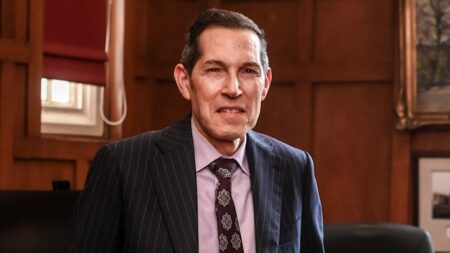
Justice Stephen Campbell, earlier this month, heard from both Brooks and the AFP’s barristers in the NSW Supreme Court about who should receive the money: Brooks or the Commonwealth.
The key dispute was whether the home, itself, was used as an instrument of Brooks’ crimes.
“The Commissioner points to the ethernet (wired, as opposed to wireless) connection within the house as being used to commit the offences, and the desktop computer being the only device so connected in the Cooma Property. With respect, neither of these are actually features of the Cooma Property,” Campbell said.
Further, the judge found, the privacy afforded to Brooks by his home was an “inherent feature” of all homes.
“There is nothing special about the Cooma Property in this respect for Mr Brooks to turn to his advantage,” Campbell said.
The home was, primarily, a dwelling for the paedophile, rather than a place to commit his crimes, the judge found.
Ultimately, Justice Campbell ruled in Brooks’ favour.
“I agree with Mr Brooks submission that there was no feature of the Cooma Property which aided the commission of the offences beyond what any other dwelling would afford,” he said on 19 June.
“ I am satisfied that the Cooma Property … is not an instrument of unlawful activity.”
Campbell ordered the proceeds of the sale of the home would be “excluded from forfeiture” by police.
The order has been stayed until July to give the AFP time to consider an appeal.
Be the first to know when major news happens. Sign up for breaking news alerts on email or turn on notifications in the app.
From our partners
Read the full article here