





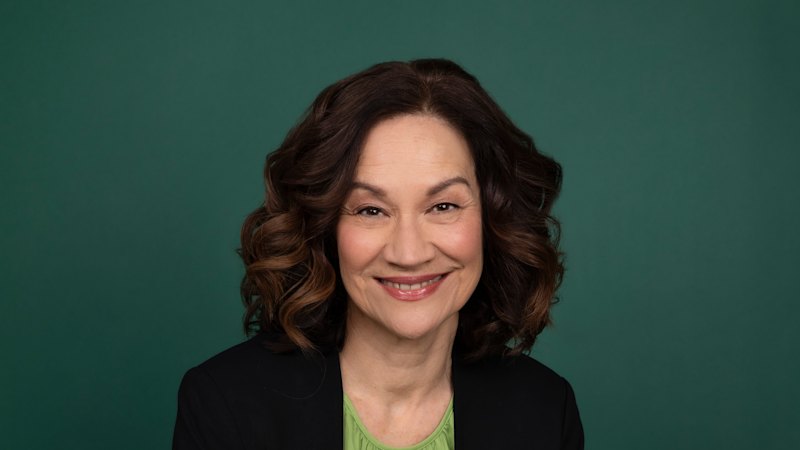
Each week, Benjamin Law asks public figures to discuss the subjects we’re told to keep private by getting them to roll a die for Good Weekend’s regular Dicey Topics column. The numbers they land on are the topics they’re given. This week, he talks to Dr Melissa Kang. The professor of adolescent health, 63, was – for more than 20 years – known as “Dolly Doctor”, the medical-advice columnist for Dolly magazine. Her latest Welcome to … book is Welcome to Friendship!
POLITICS
Your work has spanned Dolly Doctor to academic research to your Welcome To … books. What’s your driving ethos? There are things we withhold and gate-keep – knowledge, skills and abilities – from children and young people. But when you’re not given the right tools and information, there’s a very tangible risk of unplanned or unwanted pregnancies and sexually transmitted infections. And mental ill-health of adolescents and young adults is also at epidemic proportions.
Yet when you co-wrote Welcome to Sex! (with Yumi Stynes), some conservatives and culture warriors called for the book to be banned because of its graphic content. Did you anticipate that reaction? I anticipated criticism and concern. I didn’t anticipate hatred, threats and vitriol. Then, once a young person was arrested and charged for making threats [against Stynes], it all became very real very quickly. In terms of some of the feral stuff people said, I was dismayed – and remain so.
What did the response tell you? It’s human nature to be afraid of difference, [but] some people genuinely believe that we’re doing harm. The internet allows people to just let loose, but [progress requires] the will to meet in the middle and understand each other.
Is there such a thing as “too much information” when it comes to young people? We don’t give them enough credit for their health literacy. However, this explosion of AI should be a worry for everyone. There’s a real need for real people – teachers, parents, other adults – to be in close contact with young people and look after them.
Your new book [also with Stynes] is Welcome to Friendship! Friendship can be so political. What have been the big takeaways? The book underscores – on almost every page – the need for kindness, caring, vulnerability and communication. Friendship is also about self-awareness. You work out who you are – and your values – through your friendships.
BODIES
As Dolly Doctor, what were the most common anxieties for girls and teens when it came to their bodies? I’m currently going through about 4500 handwritten or typed letters from that time. The great majority of them are about their changing bodies: “Oh, my god, is this normal?” [or] “I’ve got discharge: what does it mean?” Then, as the writers get older, their bodies become the object of someone else’s gaze – or involvement. And a lot of the letters are about fear and alarm, too.
‘Those Dolly Doctor letters absolutely changed the way I approached or spoke to my patients.’
Dr Melissa Kang
Did those letters change how you worked as a doctor? They absolutely changed the way I approached or spoke to my patients. Roughly 60 per cent of the questions people sent to me – in private – had to do with anxieties about their bodies that they were never going to ask their doctor about in person. Now I say to my patients: “Is there anything at all you want to ask me?”
What’s your relationship with your own body like at the moment? Well, menopause is like going through puberty again, but in a different way. Also, I have a lot more respect for my body. I’m at an age now where, tragically, I’ve had friends and colleagues develop serious illnesses; some have died. Suddenly, as an able-bodied person who’s always been reasonably healthy, I don’t take my health for granted anymore.
What do you like about your body? It feels fitter than it did even a year ago. I really don’t like running, but that’s what I’m doing nowadays.
And what do you dislike? Oh, dry skin, dry eyes …
So does Dolly Doctor need to come back for a peri- and post-menopausal generation? I have been asked! But I don’t have experience, as a doctor, of looking after anyone older than 25!
RELIGION
You’re Chinese-Malaysian on your father’s side, Anglo-Aussie on your mother’s. What belief systems did you grow up with? In Malaysia [Kota Bharu, Kelantan], where I grew up, it’s fairly socially cohesive, even though it’s home to Muslims, Buddhists, Christians and Hindus: there were always lots of festivals, cultural activities and great food. My mother was an Anglican who taught at Sunday School and sang in the local church choir until she went to university. My father didn’t have any formal religion, but came from a more Confucian tradition of respecting ancestors and learning from elders, which resonates with me today.
At the same time, religion can create shame and stigma, especially when it comes to sex and sexuality. [Nods] Some of the Dolly Doctor questions were from young people really struggling with the fact that their religion was completely at odds with their identity, sexuality or interest in sex before marriage. Masturbation was a big one, too. So it’s important to respect and embrace difference while also working out what you believe.
What are the top-tier commandments for consent? Show respect to everyone in your circle and particularly to an intimate partner, or potential partner, around their bodily autonomy. So thou shalt not ever touch another person, or enter their personal space, without their consent.
And a commandment for good sex? Thou shalt know thine own body and enjoyment first, understanding that these will change over time. Also, don’t make assumptions about other people.
And one for friendship? When forming friendships, or maintaining them, remain curious.
Get the best of Good Weekend delivered to your inbox every Saturday morning. Sign up for our newsletter.
Read how other notable people responded to their Dicey Topics:
From our partners
Read the full article here