




The co-founder of a Fredericton startup says she’s found an “untapped resource” that is plentiful in Atlantic Canada and believes now is the time to start using it.
Marie Dankworth, a University of New Brunswick PhD student, is self-admittedly fascinated with seaweed. She has travelled the world from her home country of Germany and as far away as the Arctic to study it.
“The specific seaweed I’m interested in is kelp, and they form three-dimensional forests underwater, and I find it interesting that we know so much about land plants and not as much about seaweed,” she said.
She co-founded SeaGreen Solutions Ltd. last year, a company that uses a process called pyrolysis to produce a byproduct of seaweed known as biochar.

Get breaking National news
Get breaking Canada news delivered to your inbox as it happens so you won’t miss a trending story.
When burned in an enclosed space, it can be used to enrich soil.
“The seaweed adds more value to the biochar when you use it in the soil because the seaweed has nutrients that come from the ocean: magnesium, potassium and all sorts of good things plants need,” she said.
Dankworth believes it has the potential to reduce the amount of fertilizer needed for gardens and landscaping.
It could improve the province’s soil, which she describes as very clay-like and unable to retain moisture. Using this product could potentially reduce drought conditions.
“The biochar basically locks in all the nutrients and water in the soil, and releases it slowly,” she explained.
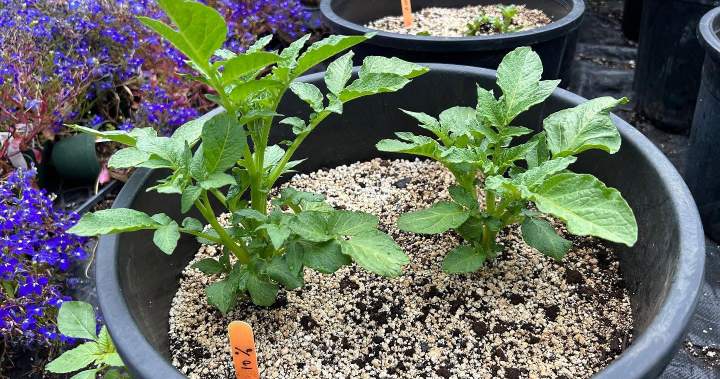
The biochar that SeaGreen Solutions Ltd. produces is currently being tested in a pilot project with the City of Fredericton. Some flower pots downtown are using the product to see if it can actually help the city’s nature retain more water.
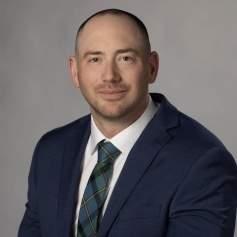
“(If this works,) we’ll be able to reduce our operating costs and the application of resources through watering and then redeploy those resources to do other things,” said Mike LaCroix, the city’s foreman of horticulture.
LaCroix says if the pilot is successful, the city will be looking to use the material on a larger scale.
“We’ll definitely build on what we are doing this year if we see some good results,” he said.
Read the full article here