



Published on
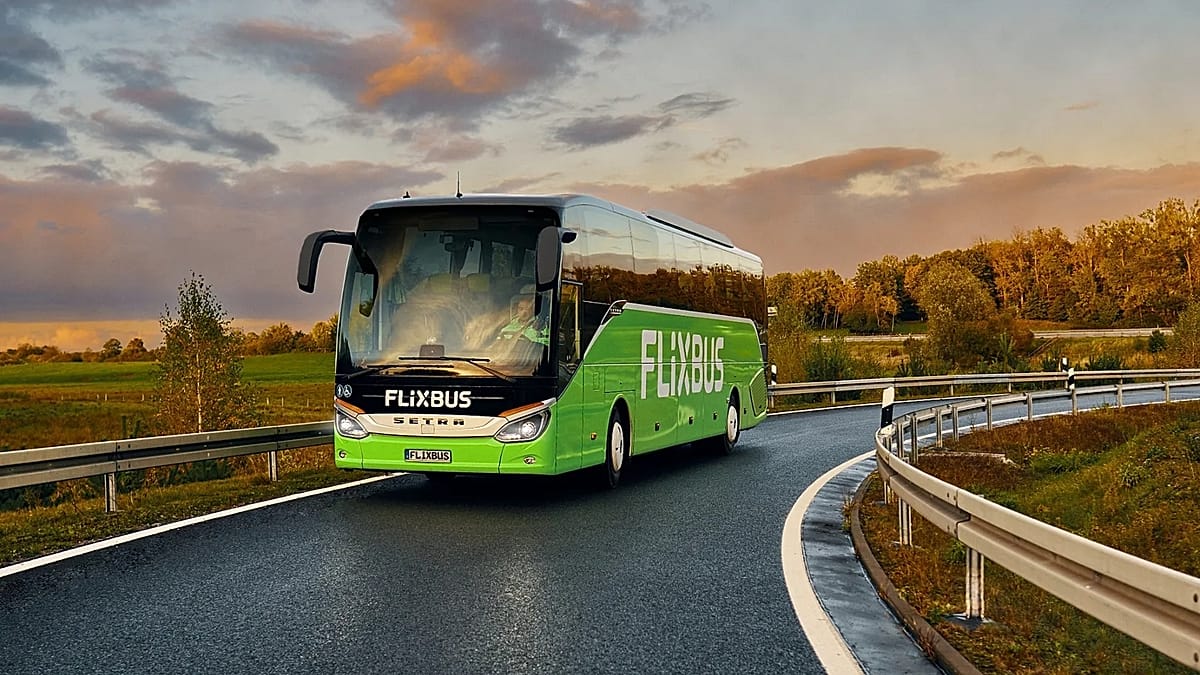
FlixBus’s new 666 service is to link Kraków with Hel, running via Warsaw and the most popular resorts on the Hel Peninsula.
News of the reinstatement of the 666 number immediately sparked strong interest from the media and passengers alike. It is not just about a new holiday connection, but also the comeback of one of the most recognisable bus numbers in Poland.
Route 666 to Hel
The history of Route 666 goes back many years. For a long time, a service operated by PKS Gdynia linked Dębki with Hel. The route number became popular thanks to a play on words: the town’s name sounds like the English word ‘hell’, and the number 666 is widely associated with the biblical ‘number of the beast’.
The coincidences meant the line attracted attention far beyond Pomerania. Tourists took photos of the buses, posted the pictures on social media and dubbed the service ‘the bus to hell’.
The bus ran to Hel for years, but in 2023, the number was changed to 669 following protests from some religious groups. Petitions were launched over the issue, and the story was also picked up by foreign media.
FlixBus resurrects route number 666
In the 2026 summer season, the 666 number will return. FlixBus is launching a new long-distance line from Kraków to Hel, which will run via Warsaw, Władysławowo, Chałupy, Kuźnica, Jastarnia, and Jurata, among other places.
Company representatives made no secret that the choice of number was deliberate.
‘It’s better when a route explains by itself where it’s going. In this case, there’s really nothing more to say. Everyone will understand,’ said Michał Leman, managing director of FlixBus in Eastern Europe, at a press conference, as quoted by the Trójmiasto.pl website.
FlixBus to Hel: a journey of more than a dozen hours
The operator insists, however, that it is not just about marketing. According to the company, for several seasons, passengers have been actively seeking direct connections to the Hel Peninsula from Poland’s major cities.
The new route is to run daily during the summer season. Departure from Kraków is scheduled for 6:00 in the morning, arrival in Warsaw at around 10:30 and in Hel before 20:00. The entire journey will take around thirteen hours.
The operator argues that the carefully chosen timetable is intended to avoid the worst traffic jams on the approaches to the Hel Peninsula. This is particularly important during the holiday period, when trains and roads leading to the Baltic coast operate at full capacity.
Hel: where does the name of the Baltic town come from?
Despite its tongue-in-cheek nickname ‘the hellish bus’, Route 666 will not take passengers to hell, but to the town of Hel (spelt with one ‘l’), located at the tip of the Hel Peninsula, which itself is also colloquially referred to as Hel. This 35-kilometre-long sandy spit is one of the most frequently visited attractions on Poland’s Baltic coast.
The name has little to do with the Anglo-Saxon hell and instead derives from Old Germanic languages, in which the word hel meant a ‘dune’ or coastal hill. On medieval Danish maps, meanwhile, the peninsula was called Heel (heel), supposedly in reference to its shape.
Read the full article here