





Published on
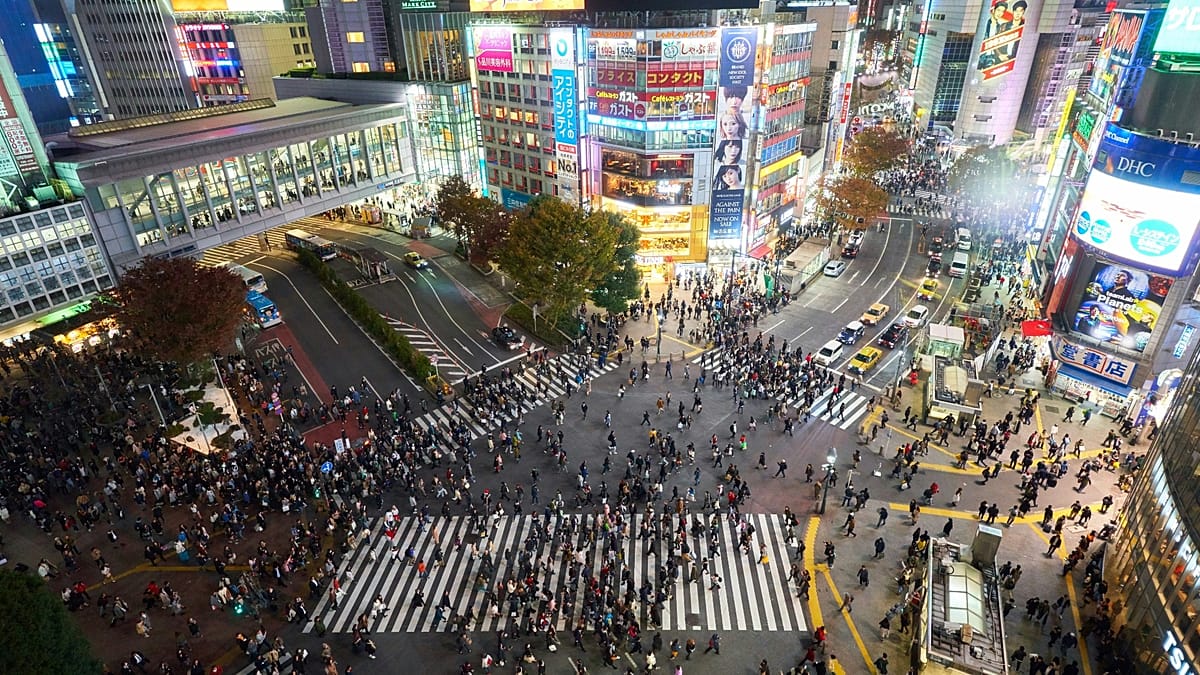
As Japan grapples with record tourist numbers, one of Tokyo’s busiest districts is taking a tougher stance on a growing problem: Litter.
Visitors caught dropping rubbish in the capital’s bustling Shibuya ward now face on-the-spot fines, as authorities crack down on overflowing streets, public drinking and the pressures of overtourism.
The move is the latest attempt to balance Japan’s booming visitor economy with the needs of local residents.
Litterers in the popular hub of Shibuya – home to the iconic, eponymous crossing – are now facing on-the-spot fines of 2,000 Japanese yen (€10.75) if found to be dropping rubbish.
Litter is a serious business across Tokyo. In other areas, authorities have been giving penalties to food and beverage business owners who fail to install waste bins.
‘If you throw trash, you lose cash’
Japan’s popularity as a tourist destination shows little sign of slowing down. In 2025, the Asian nation welcomed a record 42.7 million international visitors, but with the boom comes more rubbish.
Japanese broadcaster NHK has reported that, around Shibuya, there has been an increase in the number of people – including tourists – drinking alcohol and littering in the streets.
As well as the fines, visitors can expect to be faced with an anti-rubbish campaign, which uses the slogan, “if you throw trash, you lose cash”.
Local authorities are dispatching up to 50 officials to patrol neighbourhoods and impose these fines, which can be paid via cash, credit card or QR codes.
Japan is notorious for its lack of rubbish bins, absent in part due to their potential use in terror attacks. It hasn’t gone unnoticed by visitors, 20% of whom cited it as the most significant inconvenience for tourists in a government-run survey last year.
Tourism has skyrocketed in Japan since the Covid-19 pandemic, thanks to a weakened currency and countless viral videos on social media.
With that growth has come overtourism, and the government is attempting to curb the downsides of that.
That includes a range of measures, including hiking its taxes for international tourists as well as introducing crowd-control apps, aimed at lessening crowd numbers in the most popular areas.
Read the full article here