





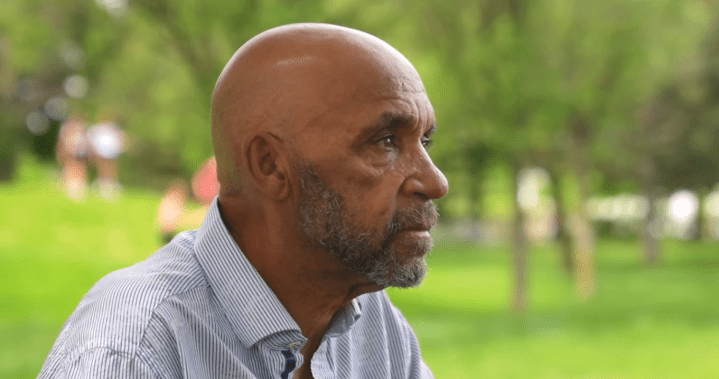
Curtiss Kelly thought he was beginning a new chapter.
The Kelowna construction worker had landed a new job with Northland Properties and was settling into a routine on the worksite. Like anyone starting fresh, he was focused on proving himself during his probation period and looking ahead to what came next.
Just weeks into the job, doctors diagnosed him with Stage 4 lung and brain cancer and was still in his 90-day probation period when he learned of the diagnosis. Along with the toll of cancer, he worried about what the illness could mean for his career.
“My biggest concern was I wasn’t going to have a job,” he said. “When you have cancer and you apply to a job, the chances are going to be low.”
At the time, Kelly was still working through Northland’s 90-day probation period. He had only been on the job for about 50 days when he learned the devastating news.
For many Canadians facing cancer, financial worries become part of the battle.


Get weekly health news
Receive the latest medical news and health information delivered to you every Sunday.
Research published in the Canadian Medical Association Journal found between one-third and 40 per cent of Canadians experience financial distress following a cancer diagnosis. The study also found many workers see their income fall by nearly 25% during the first year after being diagnosed.
After learning about his cancer, Northland Properties stepped in and fast-tracked his benefits, moving them ahead before he completed his 90-day probation period.
At the same time, the crew he works with came together to help, organizing a fundraiser that raised nearly $750 for Kelly and his partner.
A Stage 4 cancer diagnosis brings enough uncertainty on its own. Questions about treatment, finances and the future can quickly become overwhelming. But Kelly says knowing his employer and co-workers have his back has made a difficult situation a little easier to face.
While much of the attention is focused on doctors, treatments and test results, the support systems that surround a patient can be just as important. For Kelly, that support came from the people he works beside every day.
Read the full article here