




Families and community groups in Montreal are calling for improved emergency planning after two women died during the recent extreme cold and power outages, raising concerns about the safety of the city’s most vulnerable residents.
Power outages over the weekend left about 15,000 customers without electricity, primarily in the Notre-Dame-de-Grâce and Côte-Saint-Luc areas, in some cases for more than 48 hours.
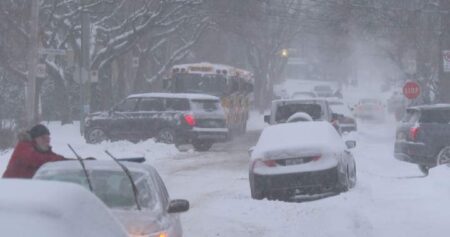
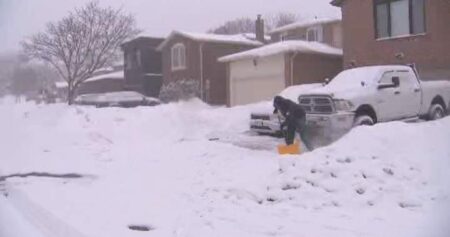
The outages coincided with overnight temperatures plunging into the mid-minus-20s, and heavy snowfall in parts of Quebec.
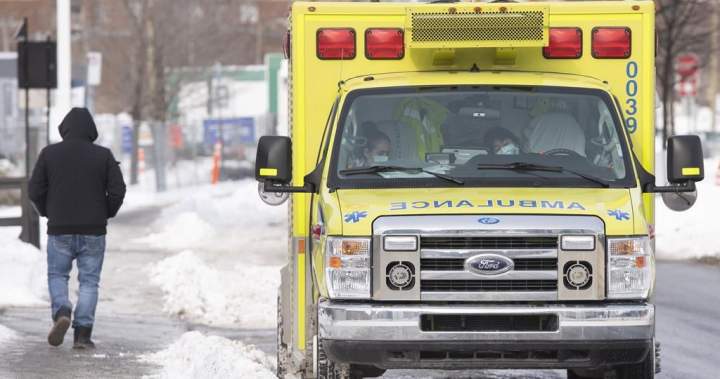
Two women were found dead during separate wellness checks on Sunday. Among them, 87-year-old Sheila Padmore in NDG was suffering from hypothermia. Her death is now under investigation by a Quebec coroner.
Residents say the deaths highlight gaps in the city’s emergency response, particularly for people who are elderly, living with disabilities, facing financial hardship, or caring for children with special needs.
“I’m always concerned for those who are marginalized and who we can easily forget,” said NDG community worker Marcelle Partouche Gutierrez with MYCASA.

Get breaking National news
For news impacting Canada and around the world, sign up for breaking news alerts delivered directly to you when they happen.
City officials say emergency protocols were activated, including the opening of warming shelters, and that crews worked around the clock to restore power.
“We know it’s cold outside. It’s not a perfect situation, and our crews are working day and night,” said Pascal Poinlane from Hydro-Quebec.
But some families say those measures did not adequately address their needs. Several parents told Global News that crowded shelters were not a viable option for children who struggle in unfamiliar or overstimulating environments.
“All the different vulnerable groups — the elderly, the very young, those without financial means to deal with unexpected circumstances, and families like ours with special needs — were overlooked,” said NDG resident Kelly Walsh.
“It’s hard to know what to tell your kids, especially when they don’t necessarily understand the situation,” Walsh added, noting that anxiety and behavioural challenges intensified as conditions deteriorated at home.
Some families said they felt they had no choice but to remain in their homes despite the cold.
“It’s not that easy to go to a shelter. It’s not that easy to leave our home. We have our security at home,” said NDG resident Danielle Desrosiers.
Others pointed to limited access to food and information as another shortcoming in the city’s response.
“Accessibility to food would have been really great — warm food, and also more information,” said Partouche Gutierrez.
In one case, a group of young people receiving specialized care in NDG had to be housed by staff after caregivers were unable to find clear information about accessible shelters.
Overall, families and advocacy groups say the city and boroughs need more comprehensive emergency planning to ensure vulnerable populations are not left behind during future crises.
Read the full article here