






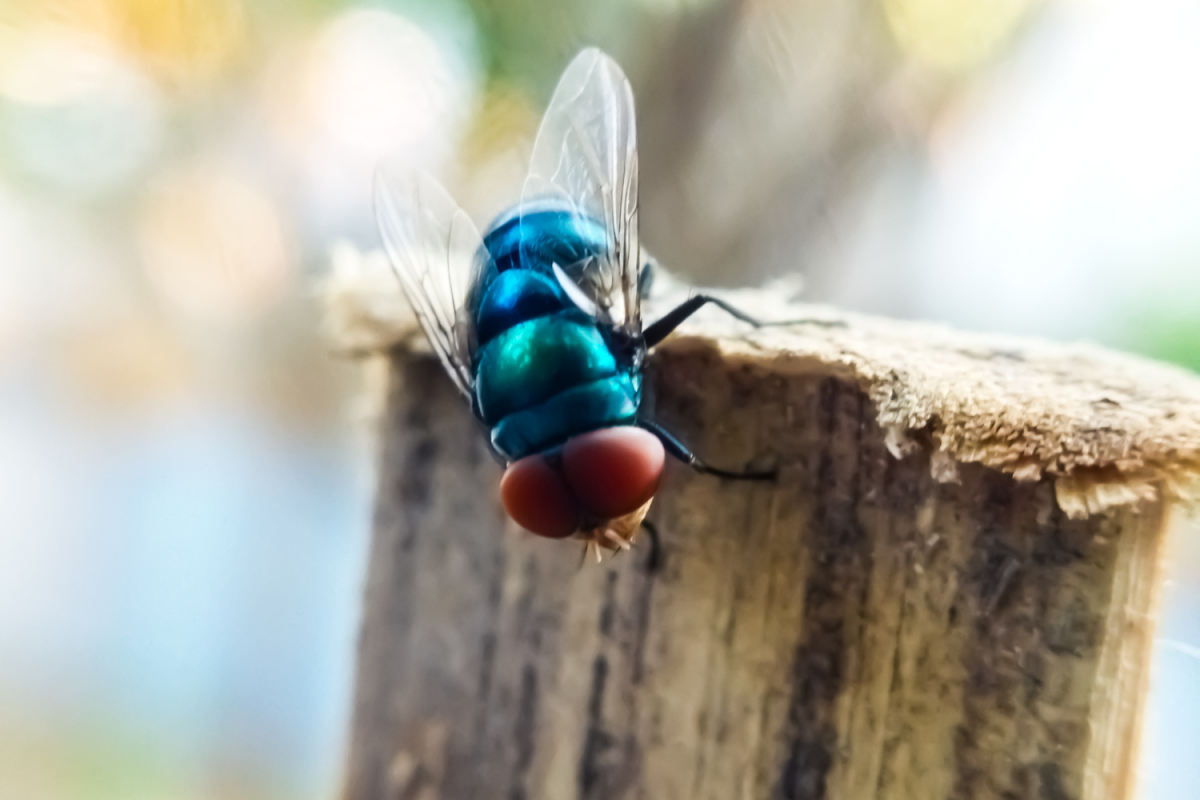
A flesh-eating parasite that can infect pets, wildlife and even humans is drawing renewed attention as officials work to contain its spread near the southern U.S. border and prevent it from becoming re-established domestically.
The New World screwworm, a fly whose larvae feed on the living tissue of warm-blooded animals, was eradicated from the U.S. decades ago.
But a growing outbreak across Central America and Mexico—combined with a recent confirmed detection in a Texas calf—has sharpened focus on the risk of reintroduction.
What Is the Current Screwworm Risk in the US?
Federal health agencies stress that there is no widespread presence of screwworm in the U.S., and for most Americans, the risk remains low.
However, the situation is evolving. The parasite has spread north through Central America since 2023 and has been detected increasingly close to the U.S. border, with thousands of cases reported in animals and some in people in affected regions.
That proximity—along with isolated detections and a recent Texas case under containment—means authorities are treating the threat seriously, particularly in southern states.
How Can Screwworm Affect Pets?
Dogs and cats are among the animals that can become infested if exposed. Screwworm flies are attracted to even very small wounds, laying eggs that hatch into larvae within hours.
Pet owners should watch closely for any wound that appears to worsen rather than heal, particularly if it becomes painful, swollen or starts to smell.
Early signs of a potential screwworm infestation include persistent licking or biting at a specific spot, discharge or bleeding from a sore, and—more seriously—visible larvae or a sensation of movement inside the wound.
Because the parasite can develop quickly, vets say even small cuts or insect bites should be checked and treated promptly, especially in animals that have traveled to or come from higher-risk regions.
If the parasite were to spread, pets could experience:
- Rapidly worsening wounds
- Severe pain and infection
- Tissue destruction that can become fatal without treatment
Infestations are most likely in animals that spend time outdoors or have untreated cuts or surgical wounds.
Despite this, the likelihood for pets inside the U.S. remains low at present, unless they have traveled to or been imported from affected regions.

How Can Screwworm Affect Humans?
While much rarer, screwworm can also infect humans. Cases typically occur when flies lay eggs in open wounds or body openings, leading to painful infestations known as myiasis.
Symptoms include:
- Painful, worsening sores
- Foul-smelling discharge
- Visible movement of larvae
U.S. officials note that recent human cases linked to the parasite have been travel-associated, and there is no immediate public health threat domestically.
Impact On Wildlife
Wildlife experts warn that screwworm could have significant ecological impacts if it became established again in the U.S.
The parasite can infect deer, birds, and other wild animals, often killing untreated hosts and reducing populations.
Historically, outbreaks have caused major economic losses in livestock, with untreated infestations capable of killing animals within one to two weeks.
Because it affects multiple species, federal agencies consider screwworm a multi-sector threat—spanning pets, agriculture and ecosystems.
Are New Rules Being Introduced for Pet Imports?
Existing and recently tightened federal import controls already target screwworm risk, particularly for animals coming from affected countries.
Under U.S. Department of Agriculture (USDA) rules dogs entering the U.S. from screwworm-affected regions must have a government-certified health document confirming they are free of the parasite or were treated before travel.
Animals must also be inspected shortly before entry and may face additional checks at the border.
These requirements apply to pets brought in through travel, purchase, or adoption, including dogs originating from parts of Mexico.
Separately, broader restrictions and inspections have also been applied to livestock imports from Mexico in response to the outbreak.
While not a blanket ban on adoptions, the rules effectively mean stricter screening and certification for rescue animals entering the U.S. from higher-risk areas.
Read the full article here