





Time is running out for the federal government to meet its deadline for allowing direct-to-consumer alcohol sales across Canada.
The service is only available in two provinces so far, after nearly all provinces and territories agreed to do the same by the end of May 2026.
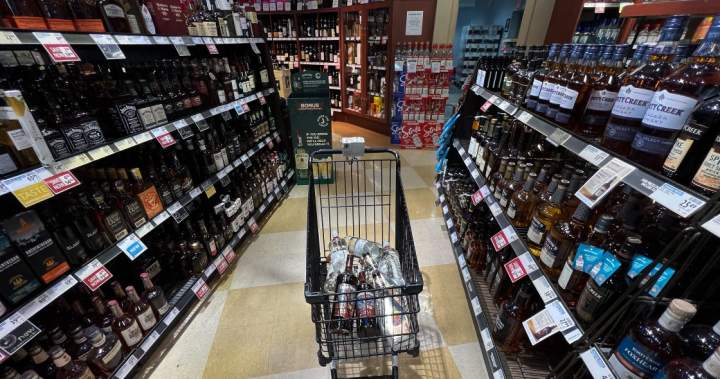
Direct-to-consumer sales means that customers can order alcohol products directly from businesses like breweries, wineries and distillers within their own province and from other provinces and territories for delivery.
But with just a few days left in the month, the Canadian Federation of Independent Business (CFIB) says there is a “lack of transparency and progress” in seeing this reality come to fruition.
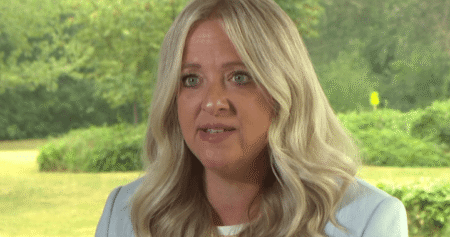
“Announcing commitments are not the same as delivering results,” said Keyli Loeppky, senior director of Alberta and interprovincial affairs at CFIB in a release sent out on Monday.
“With the deadline essentially here, small businesses deserve clarity on what’s actually being implemented and when.”
Last summer, all provinces and territories, with the exception of Northwest Territories, Nunavut and Newfoundland and Labrador signed a memorandum of understanding (MOU) committing to enacting direct-to-consumer alcohol sales by the end of May 2026.


Get breaking National news
Get breaking Canada news delivered to your inbox as it happens so you won’t miss a trending story.
Manitoba and New Brunswick are the only provinces in Canada that currently have direct-to-consumer alcohol sales. Manitoba has long allowed the service since before the MOU was signed, and New Brunswick adopted the changes shortly after in August 2025.
Allowing for direct-to-consumer alcohol sales between provinces and territories has been billed as a way to reduce interprovincial trade barriers and help businesses stay competitive amid the trade war with the U.S. and tariffs.
The idea of removing interprovincial trade barriers, including for alcohol sales, was supported by six in 10 respondents to an Ipsos poll conducted exclusively for Global News. They also agreed that doing so will help offset the potential economic damage from the trade war, and even lead to further growth.
Although some fragmented forms of direct-to-consumer sales may exist between specific jurisdictions, businesses and customers, a generalized direct-to-consumer alcohol delivery service has not been launched anywhere else in Canada other than Manitoba and New Brunswick.
For example, B.C. wineries are allowed to sell directly to consumers in Alberta.
“Small businesses and consumers are really wondering where governments are at on this — this shouldn’t be something that’s difficult to do,” says Loeppky, speaking with Global News.
“Alcohol products are able to move across Canada without major consequences for businesses or consumers. So governments are about to miss their own deadline. Small businesses have seen announcement, now we’re just waiting for the action.“
The CFIB says it’s urging all governments to remove “unnecessary” interprovincial trade barriers and follow the lead of New Brunswick and Manitoba by allowing for direct-to-consumer alcohol sales.
It also says governments need to communicate timelines transparently and go a step further by expanding the Canadian Mutual Recognition Agreement on Goods to cover the sale of alcohol.
“Making these types of changes isn’t incredibly hard behind the scenes. I think the incredibly hard part is to get the political motivation to get moving on some of these things,” says Loeppky.
“Especially as so many consumers have challenges with affordability right now that is a major concern for Canadians across the country. Opening up the alcohol markets would be one way to reduce some costs for consumers.”
Read the full article here