




Despite 1.3 million women entering menopause each year, this stage in a woman’s life remains stigmatized and understudied. But a rise in femtech centered on menopause could help change that.
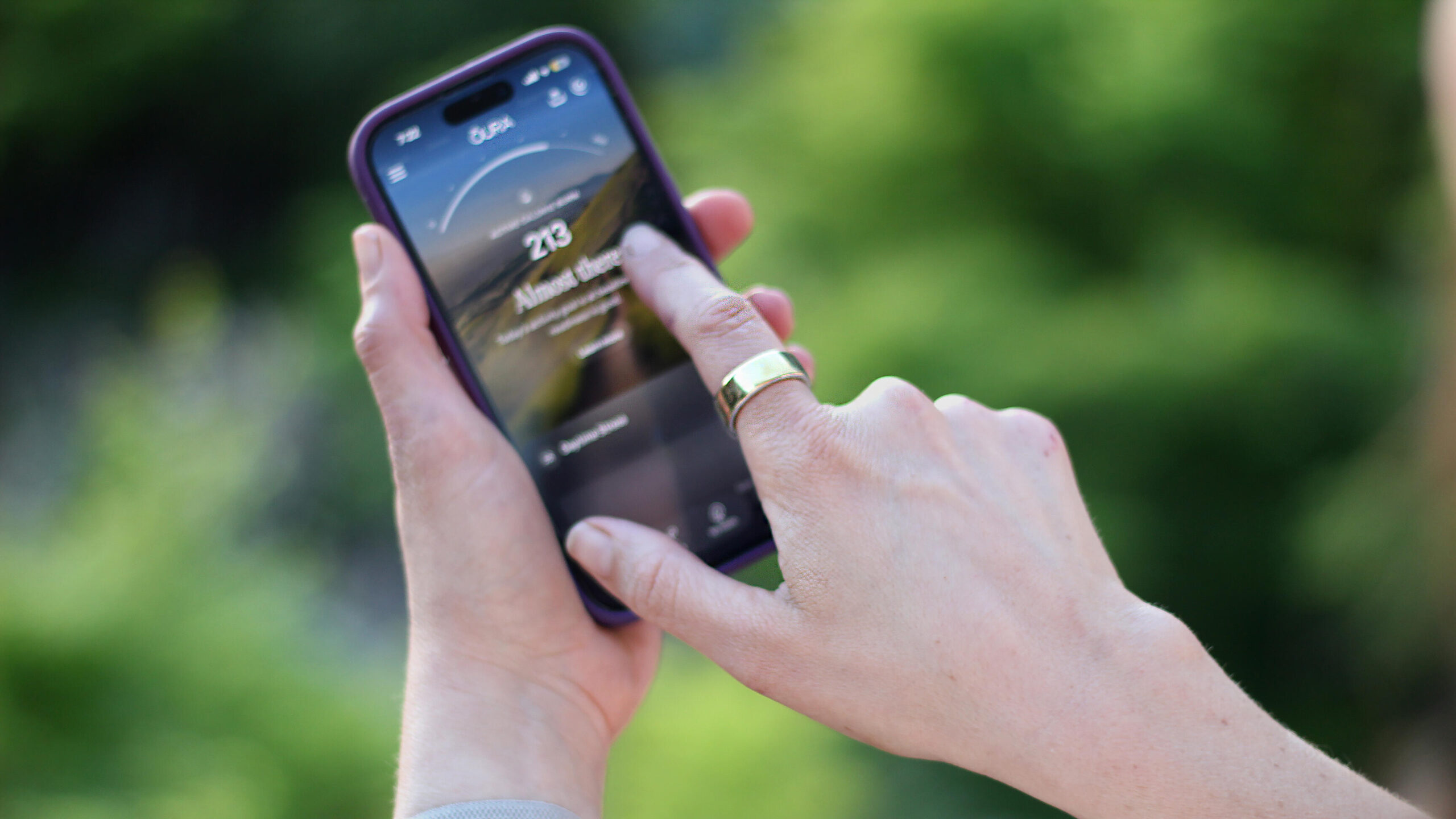
In June, Apple announced that its Health app now supports cycle tracking for both menopause — when a woman’s menstrual period permanently stops, and she can no longer get pregnant — and perimenopause, the transition to menopause. One month earlier, Oura released its Menopause Impact Scale, a self-reported questionnaire in its app that establishes how menopause symptoms impact a woman’s quality of life.
On Wednesday, Oura, maker of the Oura Ring, announced in a press release that its MIS is expanding beyond the app and into women’s health care and tech. The first 10 partners include menopause-focused clinical care companies Alloy Health, Gennev, Wisp and Pomelo; women’s health care companies Maven, Tia and Xella; and hormone and biomarker tracking companies Oova, Mira and Hertility.
“By integrating the MIS into how our partners work with patients, we’re giving women a measurement that travels with them and gives every provider they see the same starting point,” said Dorothy Kilroy, Oura’s chief commercial officer, in the press release.
How the MIS works
Developed by Oura’s own science and clinical teams, the company explains on its website that the MIS differs from current menopause assessment tools, which were created decades ago and measure only symptom frequency and severity. Instead, the MIS has Oura app users reflect on 22 symptoms associated with perimenopause and postmenopause across seven domains: sleep maintenance, cognitive functions, body image, hot flashes, sexual function and vaginal symptoms, musculoskeletal pain and urinary tract symptoms.
For each symptom, a user is asked about how much it has affected their quality of life over the past two weeks. They can select: none, a little, moderately, quite a bit or extremely.
A mean score is calculated for each of the seven domains, ranging from 0 to 4, and the sum of these scores yields a total impact score from 0 to 28: 0 to 7 means minimal impact, 7 to 14 means mild impact, 14 to 20 means moderate impact and 21 to 28 means high impact.
Once the first assessment is complete, a reminder is sent 30 days later for reassessment and to monitor symptom trends over time.
According to the press release, over 600,000 Oura members have taken the MIS, and 35% of the members who have completed it once complete it at least one additional time.
Note that just like the Oura Ring and the Oura app’s other features, this questionnaire is not for diagnosis or treatment of medical conditions. A doctor is still required for that.
When will the MIS partner integrations occur?
Starting Wednesday, Oura members can integrate their MIS results with Alloy Health, Oova, Xella, Pomelo and Wisp.
Although there’s no specific release date, Maven, Mira, Hertility, Gennev and Tia integrations will be available later this year.
How much does Oura cost?
To access the MIS, you need both an Oura Ring and an Oura subscription. The Oura Ring 5 starts at $399, and the membership is $6 per month, totaling $72 per year.
The transition to menopause typically lasts between seven and 14 years, adding up to an additional $504 to $1,008 if someone wants to use the MIS repeatedly and, most importantly, as intended to keep track of their symptom trends.
Oura and privacy
In its privacy policy, Oura states that it doesn’t sell or rent members’ personal information. Members control third-party integrations and can disconnect them at any time.
Following an Electronic Frontier Foundation report in July about how most smart fitness devices lack essential data protection, Oura committed to issuing transparency reports in the future.
However, you should always exercise caution before sharing your information — especially health data — with any company.
What this means for women’s health
As femtech expands and more companies create technology that brings women’s health to the forefront, the stigma surrounding topics such as menopause could decrease, expanding into doctors’ offices as medical professionals start to take women’s symptoms seriously.
At the same time, this also means more companies will attempt to capitalize on the trend or, as a 2022 New York Times article called it, the “menopause gold rush.” We’ve already seen devices costing hundreds of dollars that are marketed toward women experiencing menopause in the name of hot flash relief.
With the rise of menopause-focused femtech, there are both benefits and drawbacks. Hopefully, the former will outweigh the latter, making it easier for women to have conversations about what they’re experiencing in their bodies — especially where it may matter most: in doctors’ offices.

See full bio
Read the full article here