





About 1.4 million medical devices are registered with the Therapeutic Goods Administration. These devices are critical in maintaining a person’s health, and indeed can be instrumental in saving a life. At the same time, each year more than 150,000 incidents with devices require hospital treatment, according to the Australian Institute of Health and Welfare.
That offers only a partial insight into the scale of any issues, and getting a better picture is infuriatingly difficult. The TGA, which is the medical devices watchdog, will not say how many reports it receives of injuries or deaths linked to devices each year.
It took the Medical Malfunctions investigative series from this masthead and 60 Minutes to dig out data using digital scrapers and unearth more than 80,000 logs of medical device side effects, recalls and hazard alerts.
The series has also interviewed more than 70 patients, doctors, researchers, TGA staff and industry consultants, and has looked at court cases and coronial inquests.
What that showed is that the number of deaths, injuries and adverse event reports is rising. Since 2020, the number of deaths involving medical devices stands at 679, while injuries total 30,377.
The difficulty it took to discover which devices were involved in the most incidents – information gathered from an ostensibly public database – shows that the TGA’s diabolically designed website is completely unfit for purpose.
Even the TGA does not have a decent handle on its own data. The investigation discovered many deaths before October 2019 were not logged. After this masthead questioned the TGA, it published warnings of a “technical issue” with the database.
The investigation has also revealed other systemic deficiencies. In the past decade, more than 55,000 devices have been approved for use in Australia and 830 have been rejected.
About 85 per cent of those devices are approved through their European certification, some of which is awarded by for-profit notified companies in Germany, which receive fees from the makers of devices they certify.
This does not mean the certification is incorrect, but to rely on such a narrow and commercially motivated pipeline throws doubt over the independence of the process.
As Associate Professor Marco Rizzi, an expert in therapeutic goods at the University of Western Australia, says: “If you have the CE mark [European approval], it gives you an automatic way in without independent oversight.”
As TGA insiders have told us, the defects in the system of approving and monitoring medical devices flooding this country are making a nonsense of the TGA’s stated aim of regulating therapeutic goods for “safety, efficacy, performance and quality to help protect and improve the health of Australians”.
Last November, during an online staff briefing, TGA employees expressed doubts about the regulator’s role and efficacy.
One said: “We are biased by serving industry rather than the general public, our most important stakeholder.”
Another said: “Are we functioning as regulators, or have we turned a blind eye to our responsibility in evaluating, assessing and monitoring therapeutic goods?”
The two remarks go to the heart of what should define a regulatory regime. The only stakeholder whose life depends on the regime is the patient.
Such is the extent of the TGA’s approvals of devices that a true evaluation and audit of each device is impossible – hence the reliance on European certification.
“There are too many devices to deal with,” said a former TGA medical devices auditor. This, however, is a dangerous path, as another TGA insider conceded: “It’s a race to the bottom. You can shop around for the one that will get you through.”
It is also worrying that, as our reports have shown, a device manufacturer can claim a device is “substantially equivalent” to others on the market and thus negate having to undergo a clinical trial at all.
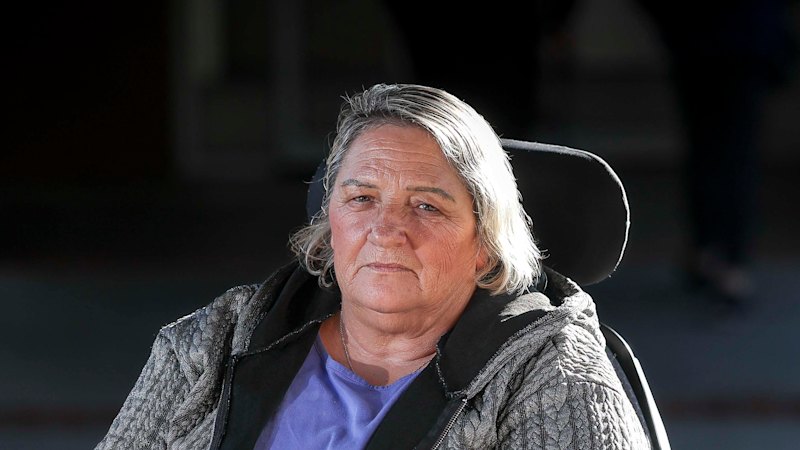
As our case studies have shown, the consequence of a faulty medical device can dramatically change or threaten a person’s life. The TGA owes it to the public to provide freely accessible data so that informed decisions can be made within a trustworthy system. This is not the world we live in.
Get a weekly wrap of views that will challenge, champion and inform your own. Sign up for our Opinion newsletter.
 The Age’s View – Since The Age was first published in 1854, the editorial team has believed it important to express a considered view on the issues of the day for readers, always putting the public interest first.
From our partners
Read the full article here