




Beef producers in Saskatchewan are welcoming the news of restored beef exports to China, saying it will give producers more certainty after years of declining margins and shrinking herds.
China first placed the ban on Canadian beef imports in 2021 after an atypical case of bovine spongiform encephalopathy — known as BSE or mad cow disease — was found on an Alberta farm.
BSE is a fatal brain disease in cattle and atypical strains pose no health risks to humans.
The removal of the ban comes just days after Ottawa struck a deal with Beijing to reduce and remove tariffs from canola and other agriculture products, many of which are grown in Saskatchewan.
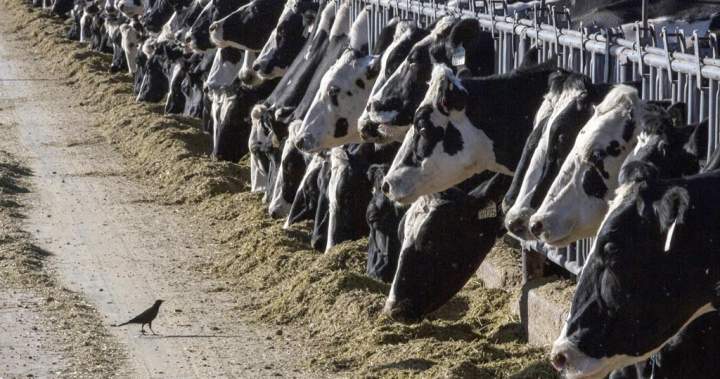
Saskatchewan is Canada’s second-largest producer of cattle behind Alberta, accounting for more than one-fifth of cattle and calves in Canada in 2021, according to Statistics Canada.
Saskatchewan Cattle Association Chair Chad Ross said restoring beef trade with China is “huge” for producers in both Saskatchewan and Canada, since the country relies heavily on beef exports.

Get breaking National news
For news impacting Canada and around the world, sign up for breaking news alerts delivered directly to you when they happen.
“We export 50 per cent of what we produce so trade is huge for us and we got to make sure we keep those borders open and working,” said Ross.
Ross says limited trade with China had been “top of mind” for his organization and that it was continually engaging with the province and federal agriculture minister, despite other tariffs taking centre stage.
“The details are still foggy, but the important thing is that we are having beef shipped here right away. So that is really encouraging and we’re very happy with that,” said Ross.
Saskatchewan’s agriculture minister, David Marit, is also praising the deal, saying restoring Canada’s fourth-largest beef export market will likely reflect well on prices for both producers and consumers.
“We saw it with the peas,” Marit said. “As soon as that tariff came off, there was a call to buy peas. So that’s how immediate it can happen. Now you’ll probably see the same thing reflected in the beef price as well.”
Ross adds that China is a valuable trading partner when it comes to beef because of the products they demand.
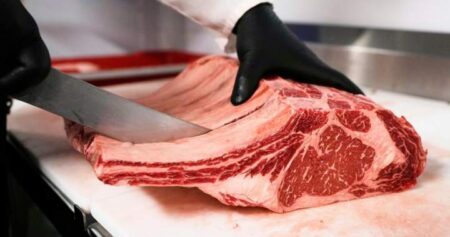
“Commonly, they would use the offals and the lower-end cuts that we don’t like to eat here in Saskatchewan and Canada, so that’s really good for us,” said Ross.
“But they also have an appetite for the high marbling tasty cuts as well.”
When it comes to the specifics of the agreement, Ross said does not know the details, though he hopes he will soon.
— with files from The Canadian Press
Read the full article here