






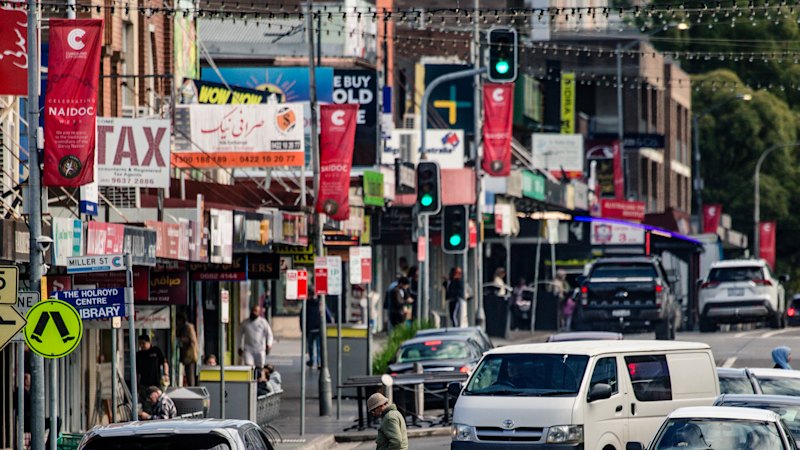
In simpler times, the young people coming through the Merrylands Youth Centre were drawn to petty crimes. Now it’s stabbings and kidnappings.
Youth workers with limited resources are on the front lines of Sydney’s escalating gang wars, where young people are being drawn into increasingly brazen and violent crimes.
“It’s next level,” centre manager and youth worker of 24 years George Pedersen said. “It’s the worst I’ve ever seen it.
“They get dragged into areas they shouldn’t because they’re offered money to do the things that they shouldn’t.”
Pedersen and his colleague Seini Kolomalu face an enormous task diverting these young people into honest ways to make a living. Instead, the lifestyle and payday offered by gangs are blinding teens to the consequences.
Over the past decade, Merrylands has become synonymous with organised crime, largely because of its connection to the notorious Alameddine crime family, which has long based its operations in the suburb.
With much of the network’s leadership fleeing Australia or being arrested amid crippling police scrutiny, there are few members left in the family’s home suburb. Still, the associations remain, and the family’s notoriety has seeped into the fabric of Merrylands, influencing its youngest residents.
Two years of data analysed by the Herald found Merrylands was home to the biggest cluster of shootings in Sydney: eight homes had been targeted.
When this masthead visited Merrylands on Thursday to talk to locals about their experience of organised crime, no one approached was willing to share their story. Some feared becoming a target themselves if they spoke out.
Children as young as 15 are being pulled into Sydney’s underbelly as organised crime networks contract out shootings and firebombings targeting rival gangs. The contracting of vulnerable and impressionable children has emerged as one of the hallmarks of the city’s gangland violence, and presents a significant challenge for police.
Detectives working under Taskforce Falcon, established last year at the height of violence stemming from the fracturing of the Alameddine network, have arrested hundreds of teenagers and young men working as subcontractors for organised crime networks. Alleged members of one group, G7, have taken contracts from networks on either side of conflicts, exposing themselves to violent reprisals.
Their willingness to venture into the murky world of seasoned criminals is driven, in part, from a desire to mimic the actions of peers posting footage of brazen offences on social media. Teenagers willing to work for a quick payday have become dispensable, thanks to a carefully maintained disconnect between the overseas-based organised crime figures orchestrating the violence and local subcontractors directing groups in Sydney.
Senior police in the past two years have observed a recklessness among young offenders that belies their inexperience with authorities. With it comes a lack of regard for the repercussions of their actions, police say; no longer is prison a deterrent for children unable to grasp the seriousness of their actions.
Premier Chris Minns has admitted high arrest rates don’t seem to be stopping these kids from getting involved in crime.
“The concern for me is notwithstanding the incredibly high strike rate when it comes to arrests, notwithstanding the penalties that in most cases can see someone spending decades behind bars and in jail, we are still seeing thugs enter this kind of horrifying, violent work at an alarming rate,” Minns said.
Recently passed laws have introduced tougher penalties for the recruitment of children into organised crime, but it’s too early to know if such measures will have an impact on how crime groups operate.
At the Merrylands youth centre, it has become commonplace for the young people who attend its programs to have some contact with a crime gang. Why wake up at the crack of dawn to work a trade when gangs offer wads of cash for jobs, Kolomalu says. Teens just need to be willing to drive a car to a certain location – even if that means playing a part in a murder plot.
“The new generation … they’re more brazen. They don’t fear at all being put inside,” she said.
Pedersen and Kolomalu are at pains to say not all young people are involved in crime, but it is becoming very common. Early intervention programs showing kids the reality of life in prison – the ugly truth of the consequences of violent crime – needs to be part of the answer along with law reform, they said.
Meanwhile, the gangland conflicts that have spotlighted the challenges authorities face show no signs of slowing down. On Friday morning, the Guildford home of organised crime figure Iziah Utai was firebombed for the second time this year. In February, a 15-year-old boy was among five teenagers charged over a spate of violent incidents targeting Utai’s family, including his father, retired NRL star Matt Utai.
Start the day with a summary of the day’s most important and interesting stories, analysis and insights. Sign up for our Morning Edition newsletter.


From our partners
Read the full article here