





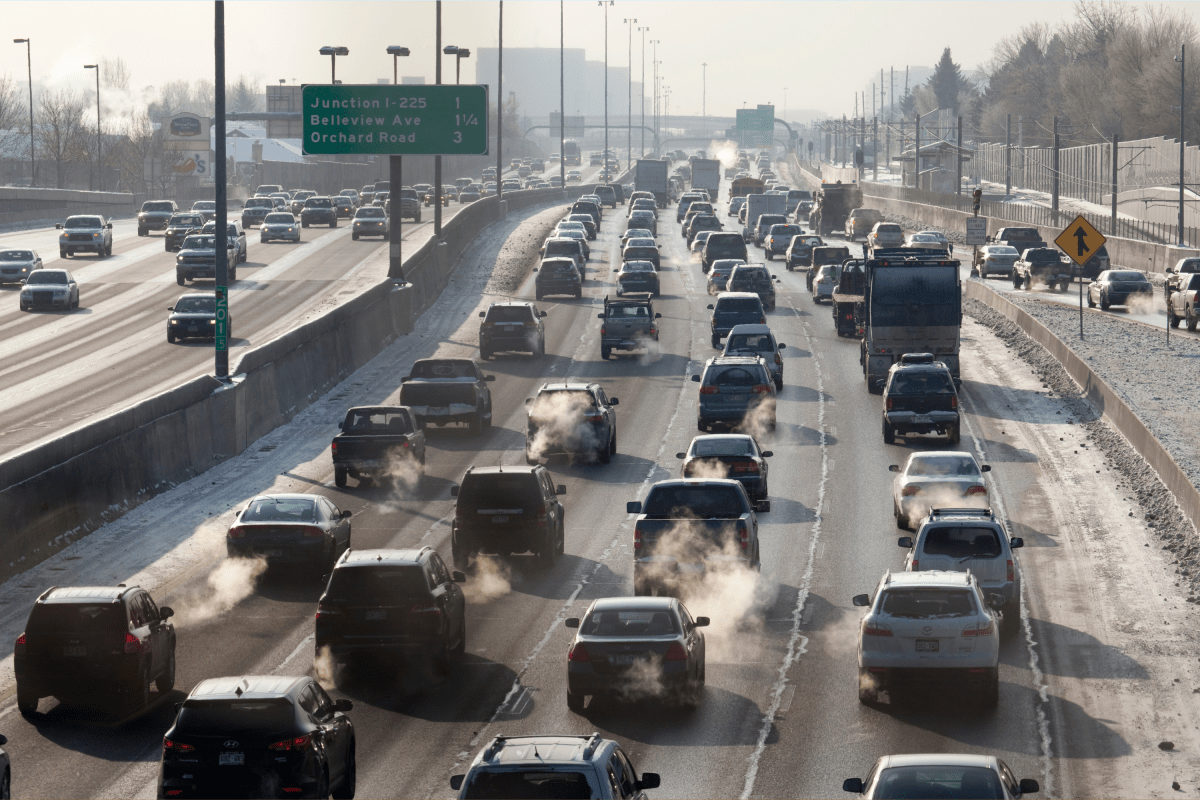
Thousands of residents across Colorado, Texas and Arizona are being urged to cut back on driving as elevated ground-level ozone threatens to push pollution into categories that can trigger breathing problems, especially for vulnerable groups.
According to air quality alerts issued by the National Weather Service (NWS), officials are explicitly asking people in affected areas to limit driving gas-and diesel-powered vehicles through Tuesday afternoon to help reduce ozone pollution.
What’s Triggering Air Quality Alerts Across Colorado, Texas and Arizona
Ground-level ozone—one of the main ingredients found in smog—forms when nitrogen oxides (NOx) and volatile organic compounds (VOCs), including emissions from vehicles and other sources, react in sunlight, which is why ozone episodes often flare on warm, sunny, stagnant-weather days.
Colorado

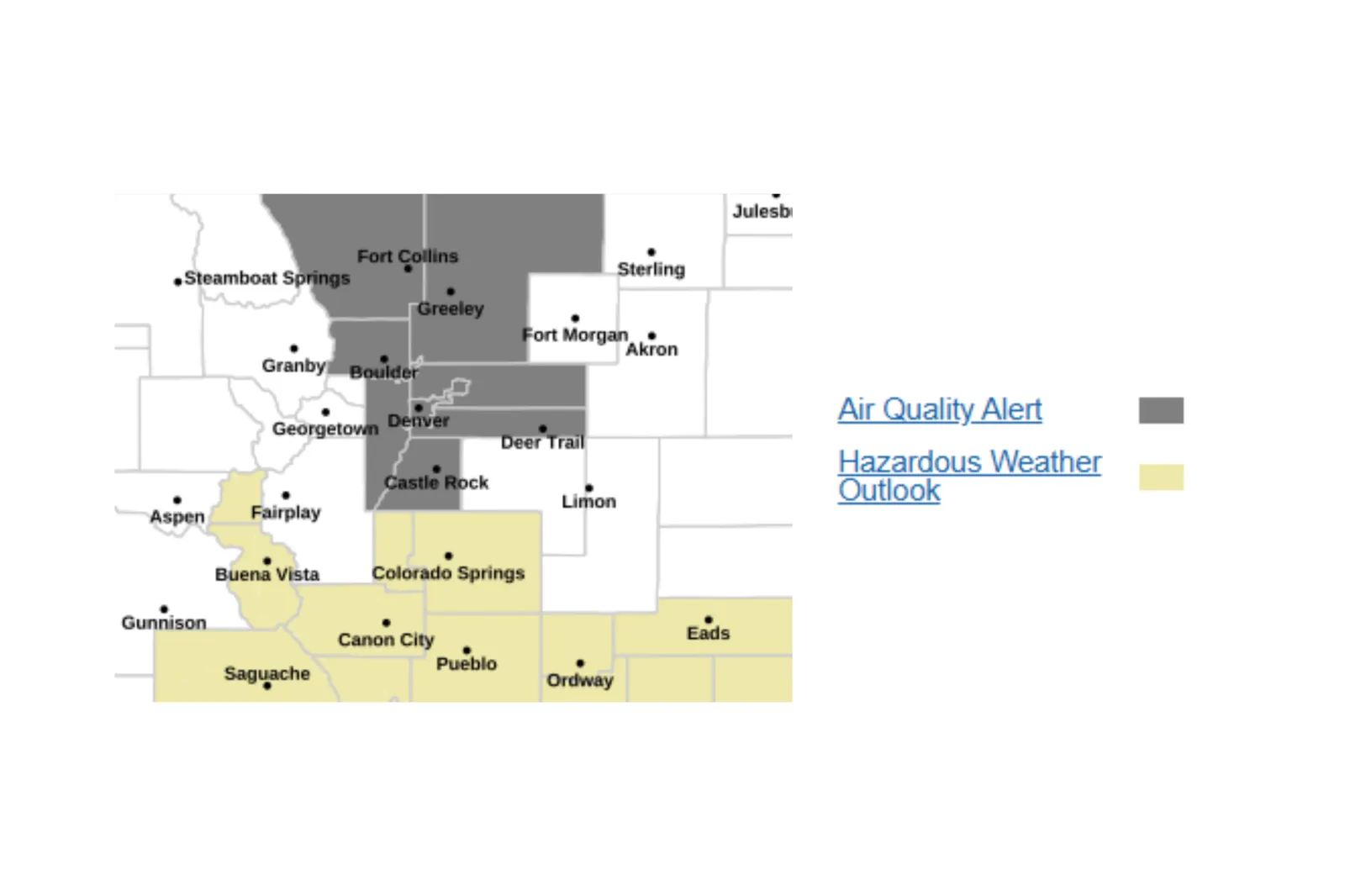
The Colorado Department of Public Health and Environment (CDPHE) issued an “Ozone Action Day Alert” for the Front Range Urban Corridor until Tuesday afternoon. The alert covers Douglas, Jefferson, Denver, western Arapahoe, western Adams, Broomfield, Boulder, Larimer and Weld Counties, which include major population centers such as the Denver metro area, and stretches north toward Fort Collins and Greeley.
The CDPHE has warned that ozone concentrations could reach “Unhealthy for Sensitive Groups” through Tuesday, and urged residents to “reduce prolonged or heavy outdoor exertion” until conditions improve.
Texas
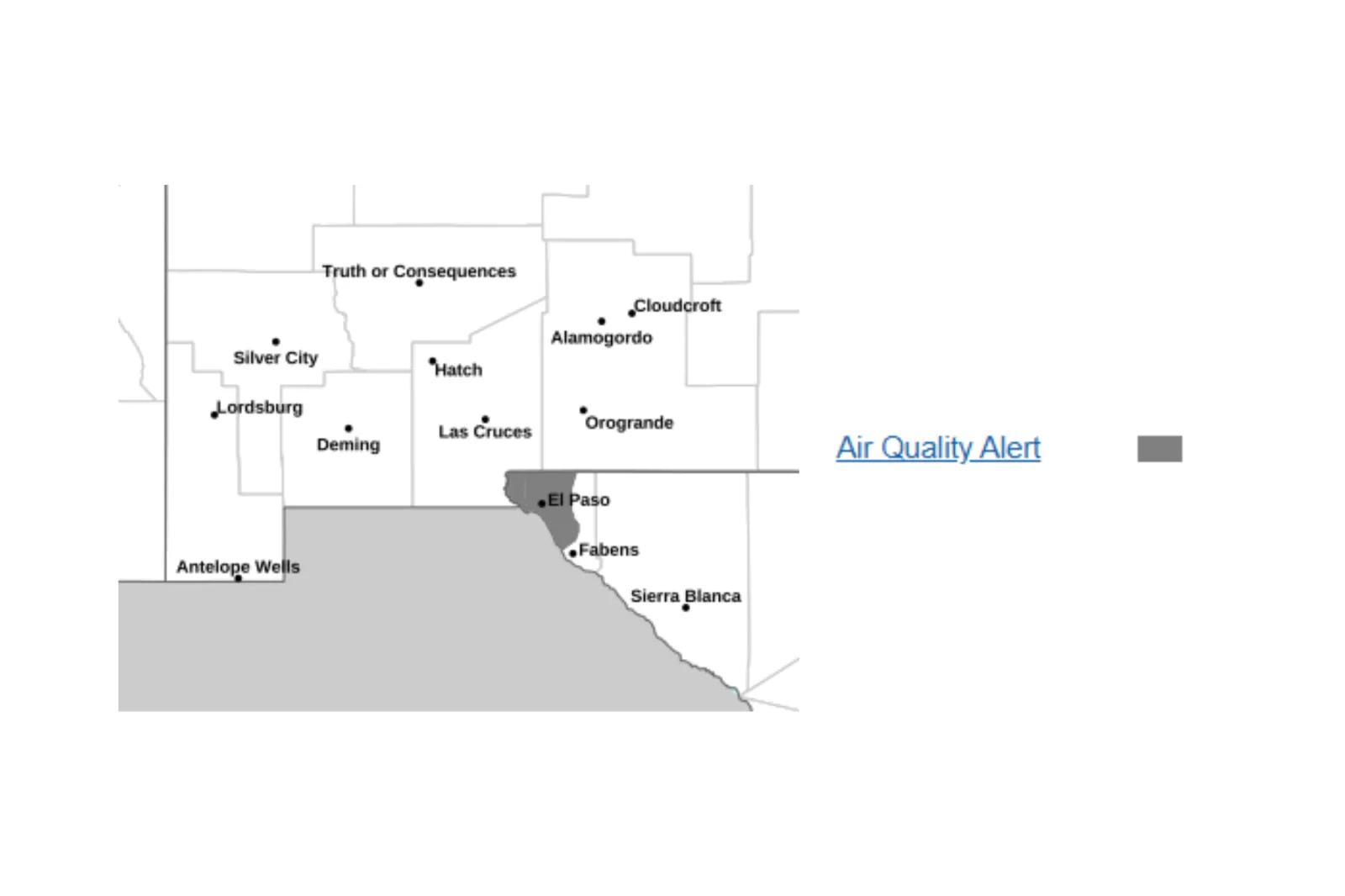
The Texas Commission on Environmental Quality (TCEQ) issued an Ozone Action Day for the El Paso area throughout Tuesday, until Tuesday night, citing atmospheric conditions that are expected to be favorable for producing high levels of ozone pollution.
Arizona
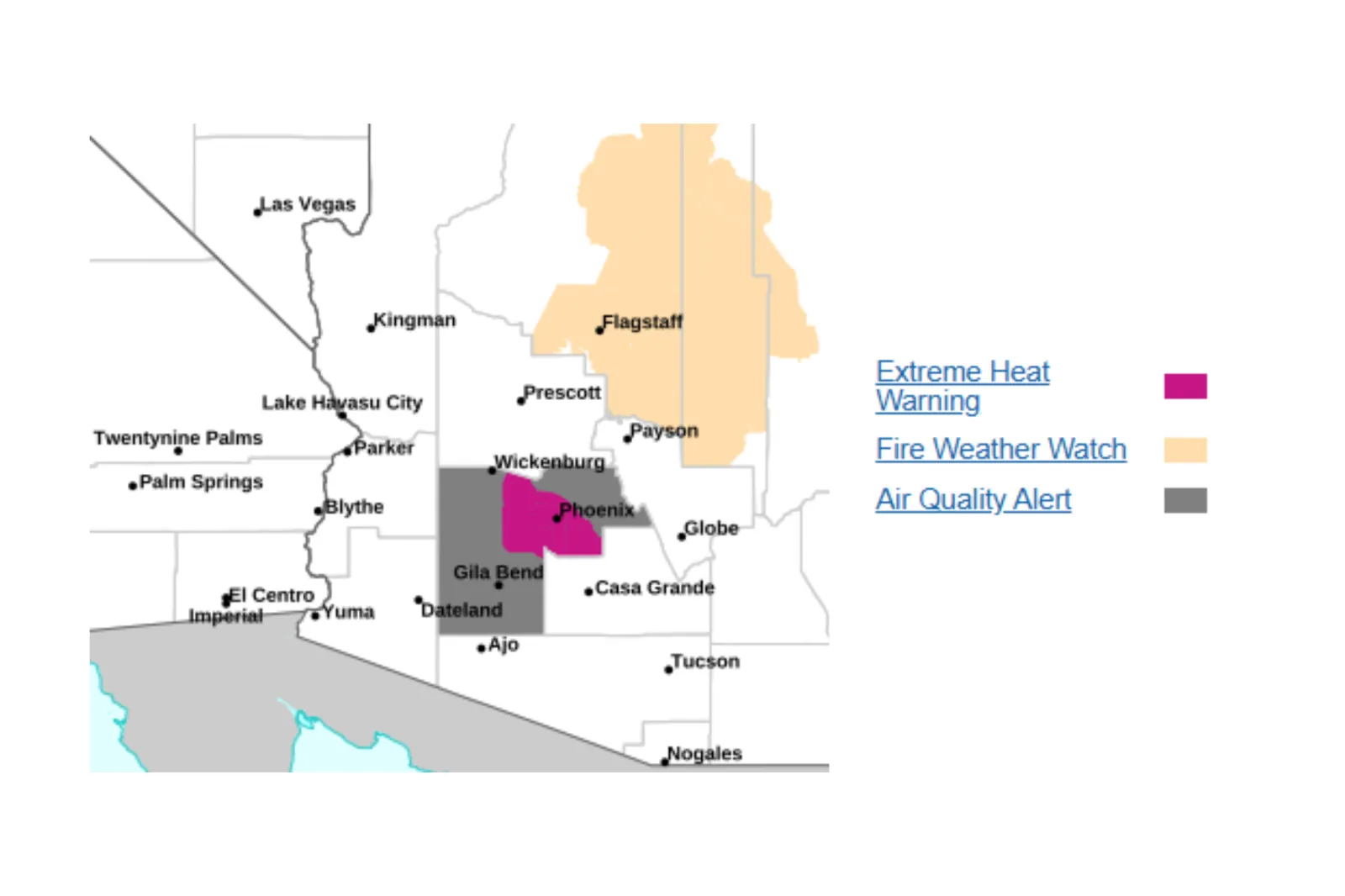
The Arizona Department of Environmental Quality (ADEQ) issued an Ozone High Pollution Advisory for Maricopa County, including the Phoenix metro area, through Tuesday, warning that forecast weather conditions combined with existing ozone levels could produce 8-hour ozone concentrations that pose a health risk.
The NWS in Phoenix said “dangerously hot conditions” of 105°F to 110°F are expected across the greater Phoenix region—including cities such as Phoenix, Mesa, Chandler, Scottsdale and Glendale—until 8 PM MST Tuesday.
The combination of extreme heat and elevated ozone can be particularly hazardous. Hot, sunny conditions help drive the chemical reactions that form ground-level ozone, meaning heatwaves often coincide with the worst air quality episodes.
Why This Matters: The Public Health Impact of Ozone Pollution
Ozone is a powerful lung irritant that can constrict airways, cause coughing and throat irritation, make it harder to breathe deeply, and worsen asthma, bronchitis and other lung diseases. The highest risk is for children, older adults, people active outdoors, and those with existing heart and lung conditions.
How To Protect Yourself—Indoors and Outdoors
Outdoors
- Scale back physical activity outside, especially during peak ozone hours (often afternoon/early evening), and take more breaks if you must be outside.
- If you have asthma, follow your asthma action plan and keep quick-relief medication accessible.
- Sensitive groups should make outdoor time shorter and less intense when ozone is elevated.
Indoors
- Use air conditioning, or air purifiers and filters when available, and keep windows closed during peak pollution. If extreme heat is also an issue, prioritize safe cooling.
- Avoid burning pollutants such as candles, indoor fires, and indoor grilling
- Check local AQI updates so you can time errands and exercise during cleaner-air windows.
Why Driving Less Helps
Transportation emissions are a major source of NOx and contribute to VOCs—key ingredients that lead to ozone pollution.
Cutting trips, carpooling, using transit and avoiding leaving the engine running for long periods of time, such as when sitting at a standstill in drive-thru lines, should help to reduce the precursory emissions that lead to ozone formation.
Where To Track Air Quality Updates
Read the full article here