






Americans could face higher electricity bills this summer as rising temperatures and extreme weather put pressure on the nation’s power grid.
Federal forecasts show that electricity consumption is expected to be higher in summer 2026 than in each of the previous five summers, which could equate to a potentially costly season for households across the country.
Certain states are especially at risk as the highest-cost electricity markets in the U.S., and summer demand spikes could push bills even higher.
Why It Matters
Electricity is a major household expense, particularly in the summer when air conditioning use climbs.
Higher demand typically leads to higher prices and larger monthly bills, and vulnerable households may feel the greatest strain during the summer heat. At the same time, the electric grid is facing stress from extreme heat, drought and wildfires, meaning millions of Americans could see significant increases in summer energy costs.
What To Know
Electricity demand is expected to exceed the last five summers, according to a new report from the Federal Energy Regulatory Commission (FERC). Power consumption is rising nationwide, and record levels are projected alongside electricity prices.
While this varies by region, much of the U.S. is expected to experience above-average temperatures. The West, Southwest and Plains are forecast to be especially hot.
Which States Will See Highest Electric Bills This Summer?
While bills vary based on usage and price, several regions are expected to face the highest costs, according to FERC and data from the U.S. Energy Information Administration.
Regions with the highest expected electricity prices:
- Mid-Atlantic
- New York
- New England
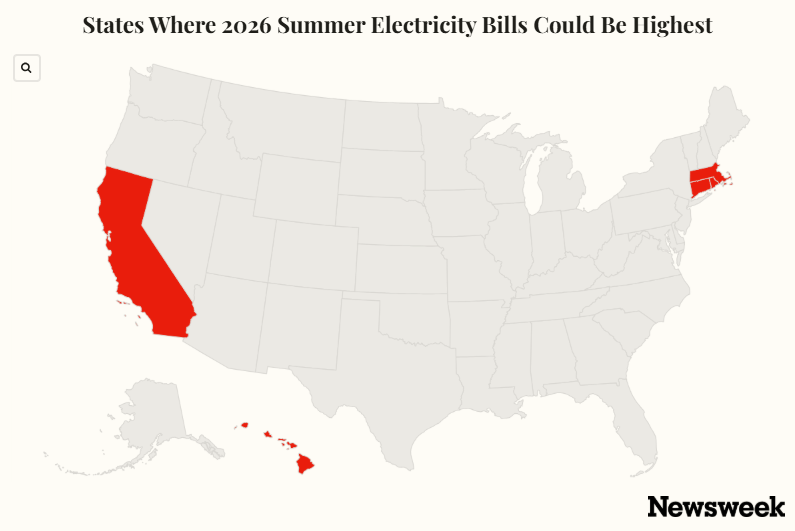
States with the highest electricity costs:
- Connecticut
- Massachusetts
- Hawaii
- Rhode Island
- California
Because these states already rank among the highest-cost electricity markets in the U.S., summer temperatures could push bills even higher.
“For many families, this won’t look like a small seasonal increase but rather will feel like another monthly affordability crisis layered on top of rent, groceries and other essential purchases,” Alex Beene, a financial literacy instructor for the University of Tennessee at Martin, told Newsweek.

Why Are Electric Bills Expected to Rise This Summer?
Several factors are converging in 2026 to bring on higher electric bills for millions of Americans.
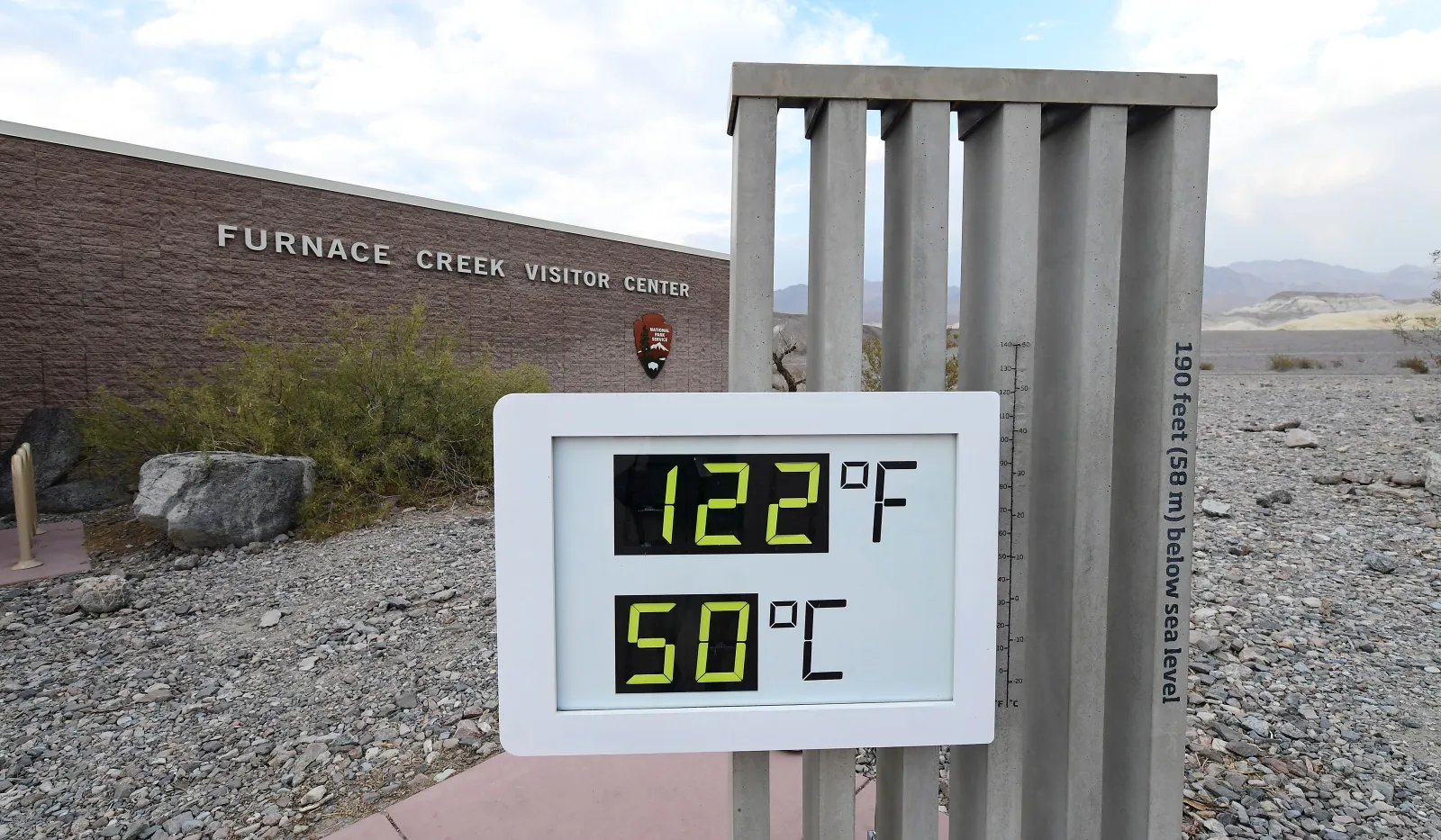
For one, extreme heat and higher temperatures will increase air conditioning use. At the same time, electricity use is growing because homes are using more electric appliances and businesses and data centers are increasing their consumption.
Wildfires and hurricanes could also disrupt infrastructure.
And as natural gas prices rise in parts of the country amid the ongoing war with Iran, that also pushes power prices higher in some regions.
“A major issue is that much of the increase is not the energy itself but delivery charges and approved utility rate hikes across the state,” Kevin Thompson, the CEO of 9i Capital Group and the host of the 9innings podcast, told Newsweek.
How to Keep Your Electric Bills Lower
Consumers can take steps to reduce summer energy costs, experts say. Simple ways to save:
- Set thermostats slightly higher (especially when away)
- Use fans to reduce AC reliance
- Run appliances during off-peak hours
- Seal windows and doors to keep cool air in
In the long term, it can also help to upgrade to energy-efficient appliances and install smart thermostats.
Michael Ryan, a finance expert and the founder of MichaelRyanMoney.com, urged Americans to look into LIHEAP, the Low Income Home Energy Assistance Program.
Many people who qualify never apply, and any renter with a variable-rate electricity plan should call their utility today and ask about budget billing, Ryan said.
“Households absorbing $800-plus summer power bills on top of rent that already eats 38 percent of income have nothing left to buffer an emergency,” Ryan told Newsweek. “One car repair, one medical copay, one week of missed work and they’re in debt.”
What Happens Next
The electricity price outlook for summer 2026 will depend heavily on weather conditions.
- Heat waves leading to prolonged high temperatures could sharply increase demand.
- Fuel prices may also impact electricity costs.
Read the full article here