



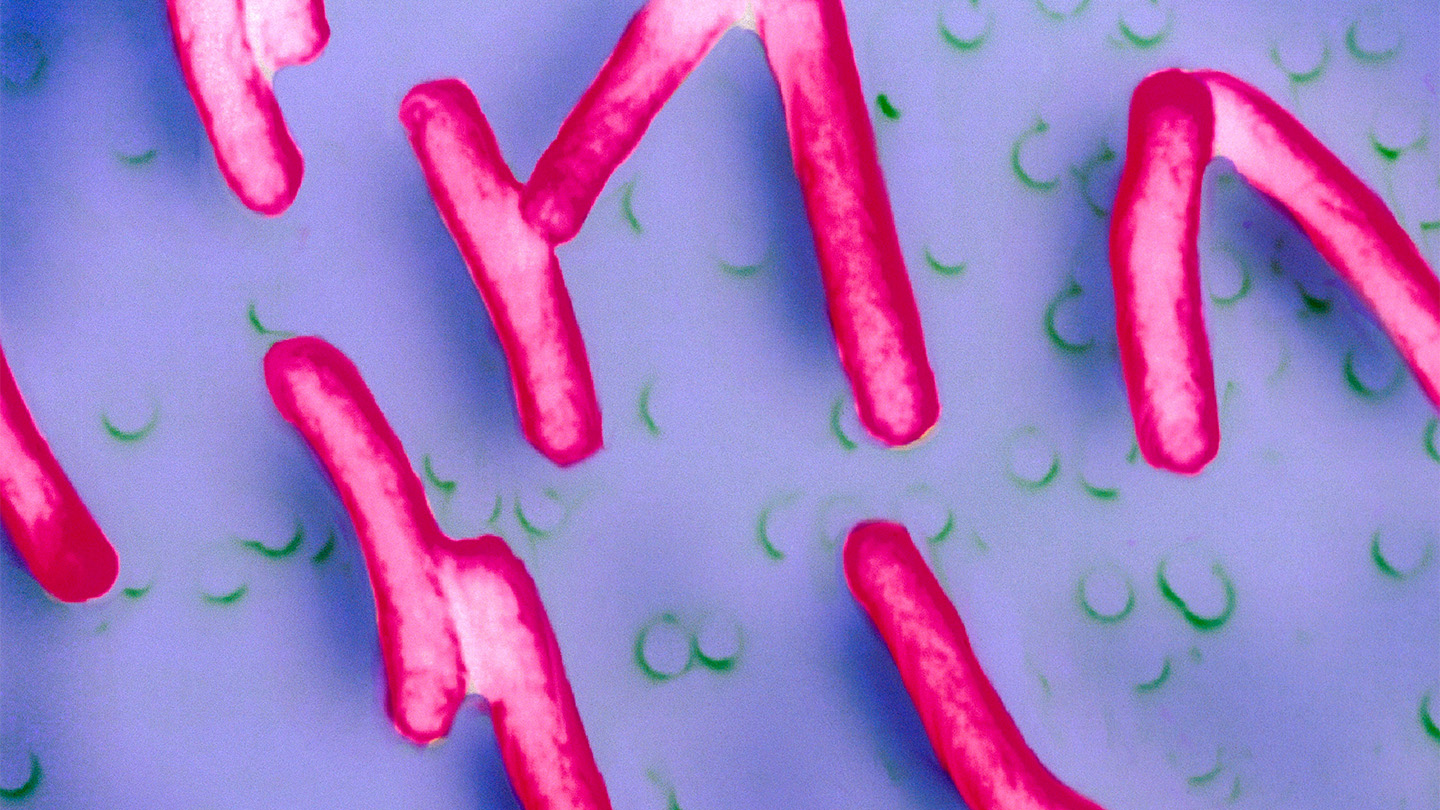
Scientists have taken a step toward developing an effective vaccine against shigellosis, the infection caused by Shigella bacteria.
In a small clinical trial, two oral doses of a vaccine called WRSs2 protected participants from shigellosis, researchers reported on June 30 in The Lancet Infectious Diseases. The protection “is higher than what has generally been reported for prior Shigella vaccine studies,” says study coauthor Nadine Rouphael, a vaccinologist at Emory University in Atlanta.
This experimental vaccine has “highly encouraging results,” says molecular microbiologist Shangxin Yang, who wasn’t involved in the work. But he says it’s a long way from being approved by vaccine regulatory authorities, as a big clinical trial designed to confirm effectiveness would take three to six years to complete. Currently, there are no approved vaccines for shigellosis.
Shigellosis spreads when tiny amounts of fecal matter contaminate food, water or surfaces, and it can also spread through sexual contact. In the United States, the bacterium causes an estimated 450,000 infections each year, and about 242,000 of those infections are resistant to at least one antimicrobial drug. Worldwide, the bacterium causes at least 80 million infections each year; symptoms include diarrhea, fever, nausea and abdominal cramps. It is most dangerous for children under age 5 and can be deadly.
The vaccine Rouphael is testing contains a weakened strain of the Shigella species S. sonnei. In an earlier trial, data showed the oral vaccine with weakened S. sonnei is safe and well tolerated. The vaccine has to “work in the gut, where the infection starts, and it must be strong enough to protect but gentle enough not to cause too many stomach and intestinal symptoms,” she says.
In the new trial, the team enrolled 108 U.S. adults ages 18 to 49 who had little preexisting immunity to S. sonnei and gave many of them up to two doses of the vaccine. Two people developed symptoms of severe shigellosis and did not continue. The scientists gave a large group of the remaining participants two doses of 500,000 weakened S. sonnei bacteria — half the previous dose — 28 days apart. Another group received a placebo.
Nearly a month later, the scientists tested the vaccine’s effectiveness in a closely monitored inpatient setting, where participants received a live, full-strength oral dose of roughly 1,500 S. sonnei bacteria. Only 3 out of 34 participants who received two doses of the vaccine developed shigellosis, compared with 21 of 26 participants who received the placebo. Further, just one, or 3 percent of the vaccinated participants developed severe shigellosis symptoms such as high fever or excessive diarrhea, while 18, or 69 percent of placebo recipients had similar symptoms.
Epidemiologist David Sack of the Johns Hopkins Bloomberg School of Public Health says finding the right oral dose of the vaccine for the general population might be difficult, as different groups could react to it differently.
Also, the vaccine tested the dominant Shigella species in the United States, but worldwide the dominant species is S. flexneri. Because the vaccine was tested on adults and on the less common global species, it’s unclear whether this vaccine would work in young children in low- and middle-income countries, who bear the greatest disease burden, says Yang, of the UCLA School of Medicine.
Sack was part of a team working on an intramuscular vaccine that reported a 30 percent reduction in shigellosis. Other injectable vaccines are also showing promise and could probably be safer, he says.
Rouphael’s team plans to continue testing WRSs2, and she says she would like to test it in populations “that need it most, especially young children in places where Shigella is common.”
Read the full article here