





Science
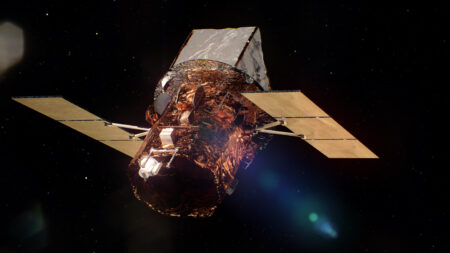
A space telescope was falling from orbit. Its rescue mission fell apart too
A space telescope is falling out of orbit, and a rescue mission showed up just in time—but both are doomed. The dramatic situation unfolded roughly…
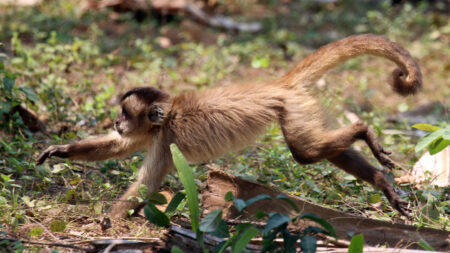
Monkeys hunt small animals when fruit is scarce
When the fruit runs low, some monkeys’ appetite for meat gets a boost. Bearded capuchin monkeys (Sapajus libidinosus) hunt and eat small vertebrates…
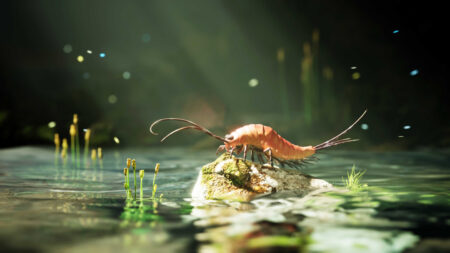
Once upon a time, insects had 24 legs
Insects are famous for their six-legged body plan, but that wasn’t always the rule. A 324-million-year-old fossil dug up from a shale bed in West…
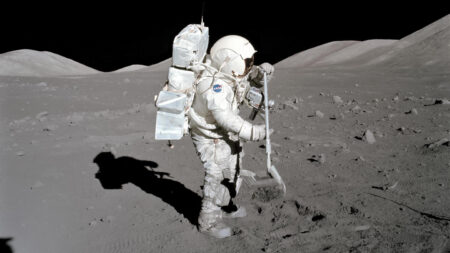
Microbes might get freeze-dried on the moon’s south pole
Certain hardy microbes could survive on the moon. Previous lunar missions explored the moon’s equator, where high ultraviolet radiation and daily…

A new cancer vaccine may keep melanoma from coming back
A new vaccine could soon protect patients from returning skin cancer. In a large clinical trial, patients with high-risk melanoma given an…
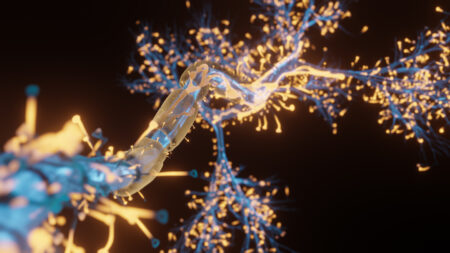
How memories may survive hibernation
How do you fit a human life’s experiences into 1.3 kilograms of brain? Neuroscientists have searched for the cells that generate and store our…

Personalized brain stimulation can ease chronic pain
By mapping a woman’s pain in her brain, scientists could dial it down. A small series of case studies, published July 30 in Brain Stimulation…
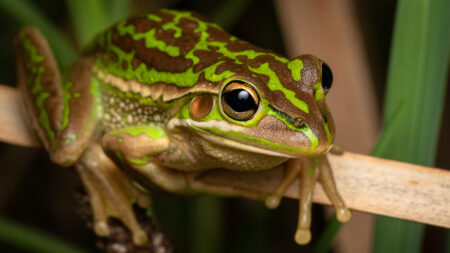
Heat therapy for sick frogs lowers sperm levels
Bad news for frogs getting sauna therapy: The heat treatment for their fatal fungal infection may come at a cost. Exposing infected green and golden…
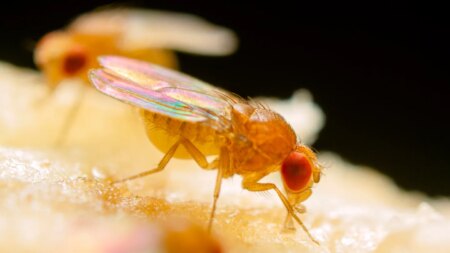
Motor neurons don’t just move muscles. They may direct that motion too
Motor neurons, the nerve cells that control muscles, have a reputation as passive messengers. But growing evidence suggests they do more than simply…

Thunderquakes can act like X-rays for the ground
“Thunderquakes” ho! Using intense sound waves generated by thunder, scientists created maps of the shallow geology beneath a large U.S. university…